For an industry to function smoothly, everything from equipment performance to productivity has to be running tremendously well. Without machining systems like power plants and factories functioning efficiently, Electric systems have to provide maximum support. Productivity loss is eminent with failing complex electrical systems. Therefore, having centralized repair services that cover maintenance from simple procedures to intricate repairs are essential. They enable diagnosing, troubleshooting, maintaining, and even repairing complex circuitry. Almost all electrical components, such as pivot motors, inverters, power supply equipment, transformers, printed circuit boards, and control devices that harness energy from both Alternating Current and Direct Current, can be practically repaired.
Mending any form of circuits ensures the absence of downtimes in production systems. Safety regulations are strictly monitored and are almost always guaranteed with the provision of these services. Appliances not only operate more reliably and efficiently; their lifespan increases, electrical power consumption triples. Sophisticated AC/DC systems ensure proper equipment functioning along with spending less energy which in essence, is more cost efficient. With added features and benefits, sustaining proper AC/DC repairs allows avoiding unexpected shutdowns.
As the world of business continues to develop, industrial AC and DC repair services have become indispensable in keeping processes smooth and efficient. Industries are turning more towards automation and sophisticated electrical systems increasing the requirement for these services, making them imperative for business maintenance agendas.
The common issue that we have faced.
Recurrent problems in industrial AC/DC systems are very likely to cause severe disruptions. One common issue is the failure of the motor which may stem from overheating, electric shocks, or general wear and tear. This can lead to inefficiency or total shutdown. It can be addressed by over winding the motor or replacing the damaged parts. Another prevalent issue is that of voltage supply problems which may arise due to unstable voltage or a breakage in the circuits which often leads to unstable power or equipment failure. This can be fixed by mending or replacing the broken parts.
Overheating:
May occur due to insufficient airflow, inadequate wiring, or excess load being placed on equipment. It can damage equipment by overheating. Improving airflow and replacing broken components can resolve these issues. Power spikes or corrupted circuits caused by faulty wiring will result in electrical surges which will lead to equipment damage and shutdown. This issue can be resolved through wiring inspection and surge protector installations.
PCB (Printed Circuit Board) failures:
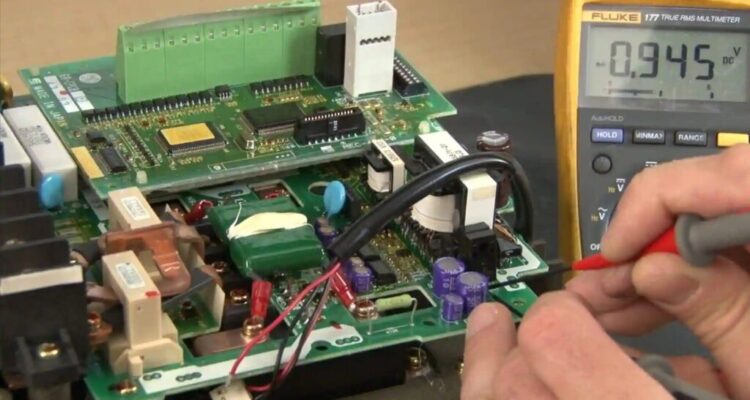
Arise due to thermal or humidity deterioration. This may lead to unpredictable functioning or total shutdown of the equipment. These issues can be resolved by changing defective parts or the entire unit. Problems with transformers, such as aged insulating material, can also result in loss of power due to overheating. This dilemma is easily corrected by repairing the broken components.
Inverter and converter malfunctions:
They are caused by faulty components or incorrect settings. This leads to unstable voltage or failure to convert AC to DC (or vice versa). Repairing or replacing the parts and adjusting settings can fix it.
control panel failures:
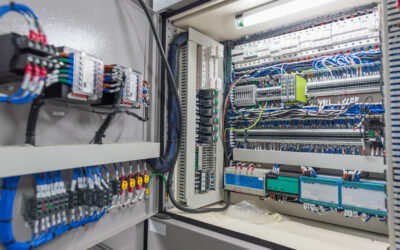
Due to faulty wiring or electrical shorts can cause equipment to behave unpredictably. Fixing the wiring or replacing the faulty parts can resolve this. Regular maintenance and quick repairs are key to preventing these issues and keeping systems running smoothly.
Industrial Applications of AC & DC Drives
AC (Alternating Current) and DC (Direct Current) drives are extensively utilized in the industry for motor speed regulation, efficiency maximization, and automation enhancement. In many sectors, these drives are fundamental because they save energy, minimize mechanical damage, and provide accurate control of machines.
Manufacturing Industry
- AC and DC drives are used in conveyor belts, robotic arms, and assembly lines to regulate motor speed and improve productivity.
- They help in automated machining, ensuring smooth operation in CNC machines, textile mills, and printing presses.
Oil & Gas Industry
- AC drives control pumps and compressors for efficient oil extraction and refining processes.
- DC drives are used in drilling rigs and pipeline transportation systems for precise speed and torque control.
Power Plants
- AC drives help regulate cooling fans, pumps, and turbines, ensuring efficient energy generation.
- DC drives are used in excitation systems of generators to maintain voltage stability.
Transportation Industry
- DC drives are widely used in electric trains, trams, and trolleybuses, where smooth acceleration and speed control are essential.
- AC drives improve elevator and escalator performance by providing energy-efficient operation.
Both AC and DC drives are essential in modern industries, helping businesses increase efficiency, reduce energy costs, and enhance automation. Their applications continue to expand with technological advancements, making industrial processes more reliable and sustainable.
The Role of Electronic Repair in Industrial Maintenance
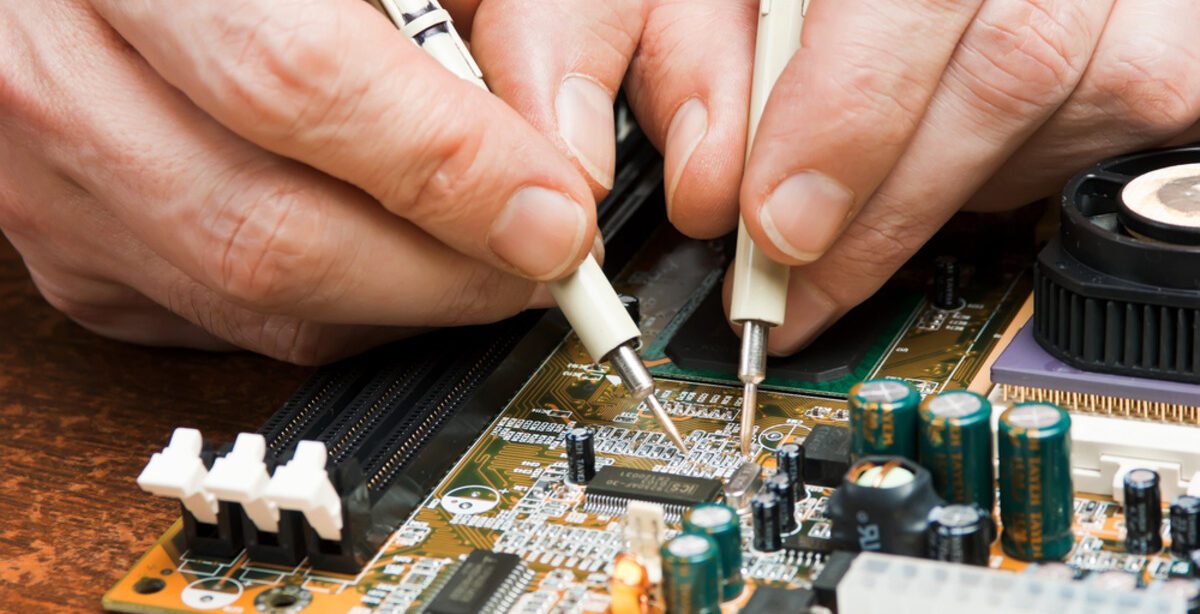
Electronic repair refers to the process of diagnosing, troubleshooting, and fixing faults in electronic devices, circuits, and industrial control systems. It plays a crucial role in maintaining the performance and longevity of industrial, commercial, and consumer electronics. Instead of replacing expensive equipment, repairing faulty components can save costs, reduce downtime, and improve efficiency.
Why Electronic Repair is Important
- Cost-Effective – Repairing faulty electronic components is more affordable than replacing entire systems.
- Minimizes Downtime – Quick repairs help industries avoid production delays caused by equipment failure.
- Eco-Friendly – Repairing and reusing electronics reduces electronic waste (e-waste) and promotes sustainability.
- Extends Equipment Life – Regular maintenance and timely repairs increase the lifespan of industrial and commercial electronics.
Exploring the Working of AC and DC Motors
AC (Alternating Current) and DC (Direct Current) motors are two of the most commonly used motors in industrial applications. Both types serve different purposes and operate based on different electrical principles.
How They Work in Industrial Applications
- AC Motors operate using an alternating current and are ideal for applications requiring constant speed and efficiency, such as fans, pumps, conveyor systems, and industrial machinery. They are available in two main types: synchronous and induction motors.
- DC Motors run on direct current and are used in applications requiring precise speed control and high torque, such as elevators, robotics, cranes, and electric vehicles. They rely on components like brushes and commutators to convert electrical energy into mechanical motion.
The Importance of Industrial Servo Motor Repair for Smooth Operations
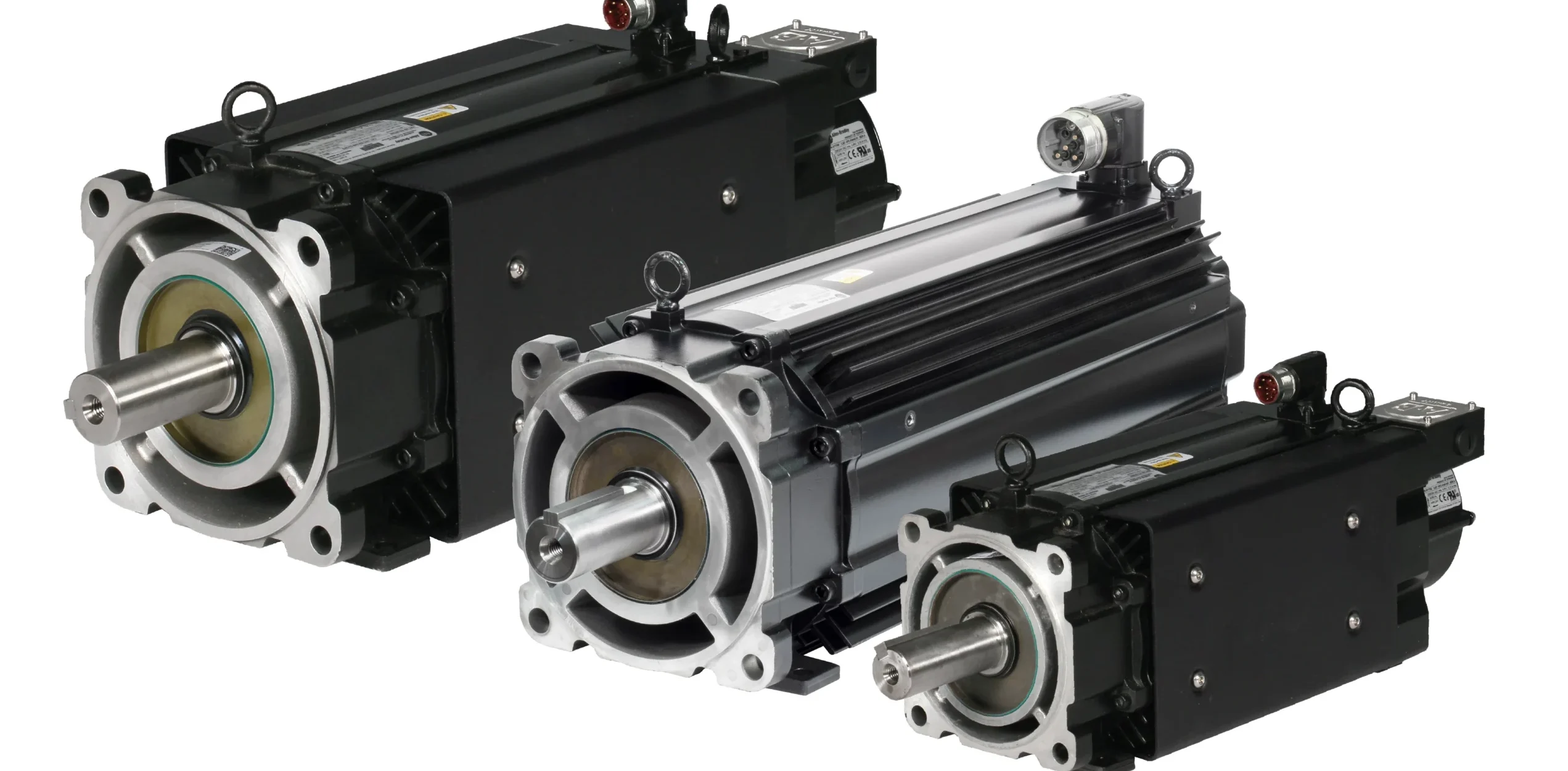
The precision and delicate robotic systems, CNC machines, industrial automation devices, and conveyor systems are vital for the industries. Thus, these industries greatly benefit from Industrial Servo Motor Repair services. For proper and efficient operation in manufacturing and other related industries, accurate motion control is required for positioning, speed, and torque control. Servo motors, however, are not immune to malfunctioning; certain issues like encoder failure, overheating, faulty bearing or electrical problems, damaged windings, and even feedback loop malfunctioning are common. If not tended to, these problems can result in incorrect movements, inefficient tasks, and even lead to downtime of the machinery, which is costly to deal with.
Repairing Servo Motors requires the diagnosing of the malfunction with the use of specialized precision machinery and replacing the broken parts, such as the encoder, the bearing, the feedback sensor, or even the brushes. If the wires going into the motor are damaged, mount the motor on a screw and verify the insulation. Also, recalibrate the servo motors along with these steps. This enhances the precision of its movements. Continuous upkeep is essential for averting expensive technical failures while also increasing the lifetime of the motor units.
Maintaining motors in operational order allows business to reduce operational standstills and cut down on maintenance spending. Fixing a servo motor is generally more economical than swapping it out for a new one. Adequate care guarantees that the motor serves its intended function accurately, dependably, and economically for a longer time as well as preventing interference with production processes.
Why choose our services
Repairing AC or DC systems alongside servo motors is fundamental in maintaining the functionality of industrial systems. These serve as the backbone of factories, heavy industries, and power plants. Neglecting them even in the smallest of ways opens room for unproductivity, downtimes, and disruption. Breakdown avoidance paired with optimized regular check-ups assist peak operations alongside avoiding excessive outages.
Dealing with motor breakdowns, overheating, power circuitry issues, and printed circuit boards is a necessity. Doing the above avoids unplanned failures, boosts reliability in equipment, and reduces energy costs. Inhabitants of advanced industries also see a lift in equipment lifespan while seeing drops in operational costs.
As industries become more and more automated, the complexity surrounding specialized malfunction services required increases. Partnering with a trusted name in AC and servo motor repair helps businesses reap the benefits of uninterrupted business operations. Qimam Affan is your trusted repair service provider through the provision of streamlined installations and alterations that don’t compromise on value. Minimum distractions through poorly maintained systems set the scene for increased value and success for your business.