In today’s industrial automation, systems HMI (Human-Machine Interface) has become an essential link between operators and machines. Advanced HMI solutions allow operators to monitor, control and optimize industrial processes in real time, thus ensuring maximized efficiency, increased safety, and smooth functioning of operations.
Decision-making is aided with HMI technology due to its graphical interfaces, touchscreens, and remote functionalities. Also, practices such as predictive maintenance, data logging, alarm management, and integration with AI and IoT automated analytics processes are other features that support improving operational intelligence.
Transportation systems, water treatment and manufacturing plants, as well as power generation facilities rely on the cornerstone of modern automation – HMI technology. Its flexibility to decrease downtime, raise productivity while increasing accuracy and meeting industrial requirements makes it essential for operators. The faster industries grow, the more important HMI solutions get in the field of innovation, sustainability, and performance.
Key Features of HMI Systems
Real-Time Monitoring
HMI systems give operators real-time information concerning the functioning of a machine, its performance, and system health. Such visibility increases opportunities for operators to monitor production levels, identify problems within the systems, and implement solutions without delays. With instantaneous information on process and machine condition, decision-making effectiveness increases and operations are optimally managed.
Data Logging and Analysis
HMI systems assist in the collection of performance data for troubleshooting, optimization, and regulatory compliance to aid process control. By analyzing the data along with the usage of predictive maintenance, industry operational efficiency can be enhanced, resulting in lower costs. These systems also enable the merger of industrial data storage with cloud to facilitate access to historical data, aiding better decision making and automatic refinements.
Remote Access and Connectivity
The most powerful feature of modern HMI systems is the ability to access them remotely, giving operators the capability to monitor and control machines anywhere with internet access. This feature facilitates remote diagnostic and troubleshooting procedures to be done securely while the operator is away from the system, helping to reduce the amount of onsite interventions needed. Greater accessibility is made possible by mobile applications, web-based interfaces and integration into the industrial IoT network, ensuring continuous operation.
Integration with Automation Systems
HMI solutions are tailored towards remote monitoring and controlling as PLCs, SCADA systems, and IoT devices are integrated into a central system and controlled simultaneously. Diverse automation infrastructures are easily integrated thanks to the plethora of communication protocols supported such as Modbus, Ethernet/IP, and PROFINET. This leads to improved productivity and smarter manufacturing.
Customization and Scalability
HMI systems have a defined purpose but can be deployed with software and hardware solutions flexible enough to meet any industry’s requirements. Their scalable architecture allows for future expansions and modifications, enabling them to meet the changing demands of industry. From manufacturing, energy, pharmaceuticals, and transportation, HMI technology is at the forefront driving efficiency, innovation, and excellence across operations.
Benefits of HMI in Industrial Automation
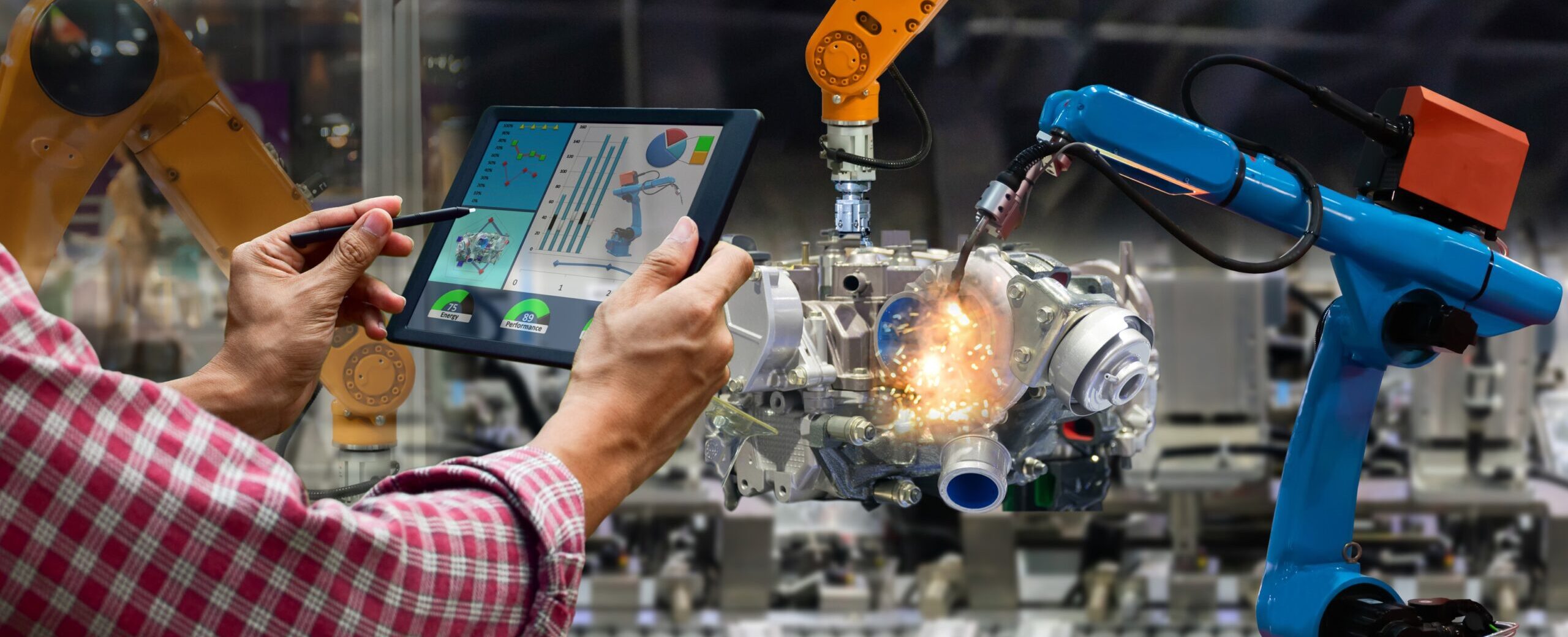
Human-Machine Interface (HMI) systems are critical in industrial automation because they enhance speed, safety, and cost reduction. HMI enhances productivity by automating complex tasks and streamlining processes thereby reducing manual work. Machines can be easily operated by the operators, which lowers human errors and improves workflow management. Automated alerts coupled with monitoring assists in early detection of problems which minimizes equipment failure and safety risks. These processes not only enhance the safety of the workers, but also improve the durability of industrial machines.
HMI assists industries save expenditure through efficiency in energy utilization, reducing idle time, and low maintenance costs. Companies are able to avoid expensive repairs and production halts by identifying problems before they escalate. HMI enhances data visualization, communication and analysis, which allows industries to make informed decisions and optimize performance. Moreover, the seamless incorporation of HMI with PLC, VFD, SCADA, and other automation systems guarantees seamless operations. HMI technology is to ramp up productivity, safety, and long-term success. It is a core component for advancement in smart manufacturing industries.
Applications of HMI in Various Industries
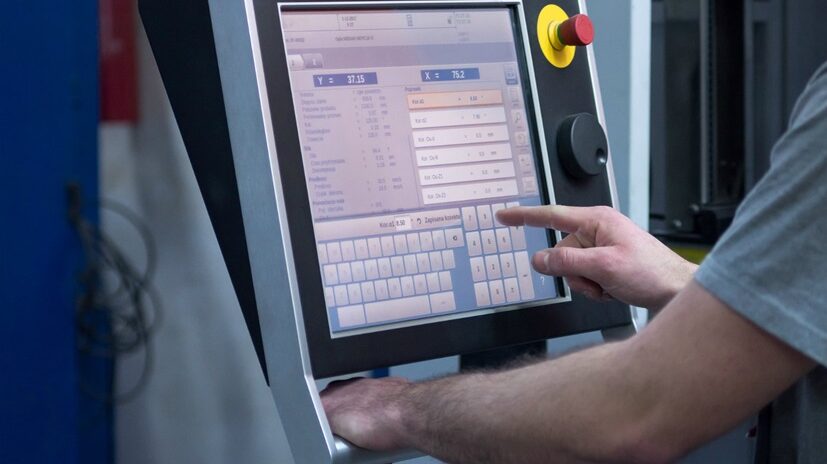
In HMI, systems may be defined as devices that help people communicate effectively with machines or with computer systems in use in a plant, manufacturing or any other processing industry. Computers set up in plants and factories are programmed to perform numerous control functions automatically for various industrial processes: production – these include advanced contour process control systems, automatic production systems, computer integrated production systems (CIPS) and many others, in addition to these processes there are other hand controlled processes too.
There are machines that control the flow activities of oil spillage from offshore platform Equatorial Guinea COTS 1. In real time, it monitors the relative pressure, temperature and flow rate of coolant, and complains if leaks or equipment failures occur to HVO. It is appropriate for these kinds of automation tasks where Alarm systems are already in place. A composite alarm strip alerts the operator in case of negative discrepancies coming from the widowed tank farm. Moreover, Blood and Water filtration plants utilize Human-Machine Interface (HMI) systems to modulate pumps, chemicals and filtration processes in order to supply clean fountain standards water. Remote accessibility improves reliability.
A control system of air handling units and chillers ensures the component integration in energy efficiency. Reminder failure of a filter device or leak of refrigerant in the system gets identified in advance. A centralized control system monitors the operation of energizing power sections, turbines, gasoline and jet engines, as well as the transmission of power into the network. This ensures that stable power is supplied while the fuel is consumed efficiently. The system prevents reverse breakdowns through the operation aware jack and measures in coordination with controlled sensor systems. Software analyzing data received from different telecommunication systems guarantee automatic failure detection.
PLC Programming: The Brain Behind Industrial Automation
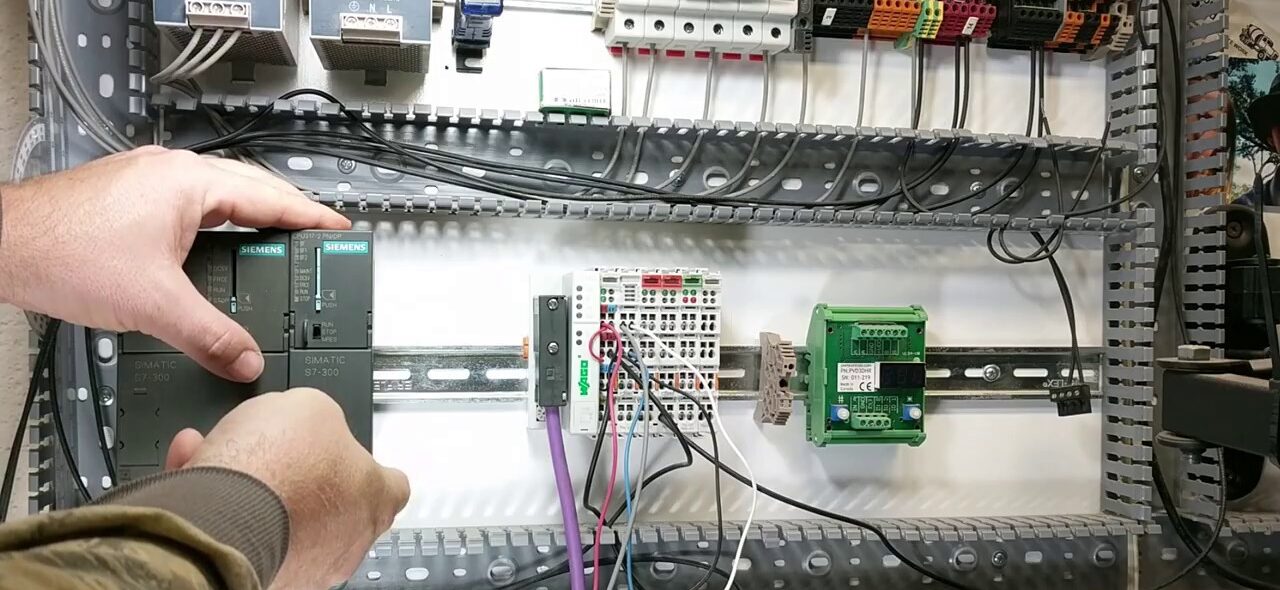
Through industrial automation advances, modern industries like manufacturing, oil and gas, and power generation have new foundational blocks. Most automated systems that work on the surface level use programmable logic controllers (PLCs) for accurate and efficient process control. These controllers oversee the operation of machines, measure output of the system and ensure that all the processes at the industrial plants interface properly.
Nonetheless, PLCs are also subject to damages from environmental conditions over time. Other reasons can include operational software errors, voltage fluctuations, and normal aging of the components. Inoperable PLCs can stop an entire production line which can result in a monetary loss, substantial downtime, and a loss in productivity.
This clarifies the importance of industrial PLC repair in Saudi Arabia to maintain the level of automation in the region. PLC systems diagnosis and repair, and preventive maintenance management help save businesses from unexpected breakdowns and repairs, thereby prolonging system longevity. These services enhance production uptime, productivity, safety, and efficiency by eliminating interruptions associated with unplanned repairs.
Why Choose Our VFD Repair Services?
Using a VFD presents unique issues such as mistakes or faults leading to undesired delays or inconveniences. If immediate action is not taken, it can lead to excessive cost, or worse, total loss of function to the VFD. With years of experience working with various models and makes of VFD units, our professionals boast comprehensive knowledge of these systems. Indeed, not only do we understand the different complexities these drive systems possess, we also achieve resolution and troubleshooting in record times. For the desired accuracy in repairs, we employ state of the art VFD diagnostic equipment that allows us to isolate and define the error to the specific component level. New VFD purchases are not necessary as older ones can often be refurbished, proving to be better in terms of cost and environmental impact. To minimize downtime and maximize production capacity, our team provides fast and effective service. You can have your broken VFD fixed on location, or bring it into our service center where our technicians can conduct the repairs. Either option is available. Clients are also free from worrying as we guarantee the repaired units.
Why Choose Qimam Affan for HMI Repair Services?
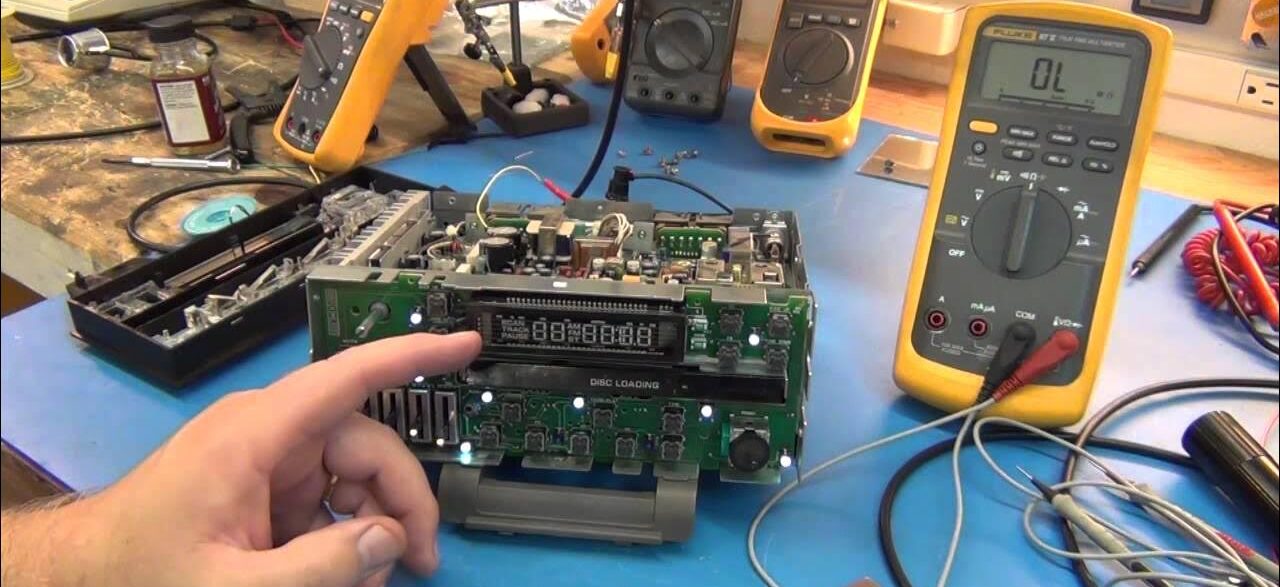
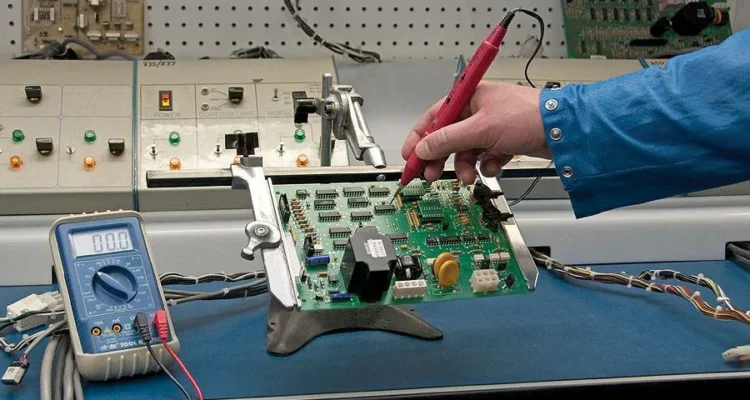
A Human-Machine Interface (HMI) is critical for monitoring , controlling and optimizing industrial automation systems. Any delays or issues in the HMI can cause operational hold-ups, inefficiency and expensive downtimes. At Qimam Affan, we pride ourselves in HMI repair services for breakdowns in the automation process so that there are no hiccups throughout the system.
Our highly skilled technicians are equipped with advanced tools and skills to diagnose and fix HMI display issues, touchscreen issues, software issues and communication issues. No matter if it’s a component replacement, firmware updates or an entire new unit overhaul, we provide affordable options that best suit your needs. Instead of spending vast amounts of money on new units and replacements, our HMI repair services work towards making your current systems mobile, helping you save money and boosting eco-friendliness.
Due to the nature and speed in which businesses operate, there is very little room for faults or errors when they are constantly working. Knowing this, at Qimam Affan, we have put in place swift on ground servicing and repair within integration alongside quality servicing to reduce the time systems are non operational. It is our guarantee that all repaired HMIs are tested prior to issuance to meet performance expectations of reliability and reliability. Putting trust in Qimam Affan means operational excellence through seamless integration of automation and professional unmatched expertise.
FAQs – HMI Repair Services at Qimam Affan
1. What types of HMI systems do you repair?
We repair a wide range of HMI systems, including touch screen panels, graphical user interfaces, and industrial display units from various manufacturers.
2. What are common HMI issues that require repair?
Some common issues include touch screen malfunctions, display failures, communication errors, software glitches, and power supply problems.
3. Do you offer on-site HMI repair services?
Yes, we provide both on-site repair services and in-house servicing at our facility, depending on the complexity of the issue.
4. How long does it take to repair an HMI?
Repair time depends on the severity of the issue, but we strive to offer fast turnaround times to minimize downtime.
5. Can you repair HMI systems from all brands?
Yes, our technicians are experienced in repairing HMIs from various brands, ensuring compatibility and optimal functionality.
6. Is repairing an HMI more cost-effective than replacing it?
Yes, repairing an HMI is usually more economical than purchasing a new one. It extends the lifespan of your existing system while reducing costs.
7. Do you provide a warranty on repaired HMI systems?
Yes, we offer warranties on our repair services to ensure reliability and customer satisfaction.
8. How can I prevent my HMI from failing in the future?
Regular maintenance, timely firmware updates, and avoiding harsh environmental conditions can help prolong your HMI’s lifespan.
9. Do you offer emergency HMI repair services?
Yes, we provide emergency repair services to reduce downtime and keep your operations running smoothly.
10. How do I request an HMI repair service from Qimam Affan?
You can contact us via phone, email, or our website to schedule a repair service or request a consultation.


Pingback: PLC Programming vs. Traditional Control Systems: Key Differences
Pingback: Why Human Machine Interface (HMI) Needs Expert HMI Services
Pingback: Why DC Motors Are Crucial for HMI and VFD System | QimamAffan