Introduction
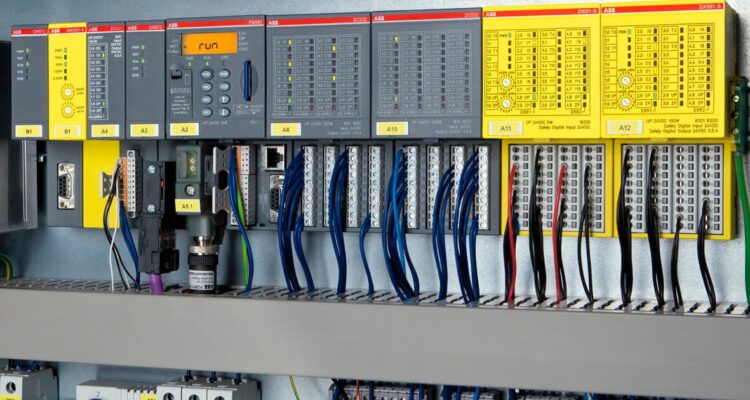
Control systems are a vital part of industrial automation since these systems are responsible for machines, equipment, and process control. For a long time, industries used relay logic control that relied on circuits and machinery. Fortunately, PLC Programming has taken over the method because it is more cost effective, efficient, and has a more flexible and easier to scale design. For companies aiming to improve their automation systems, knowing the specifics of PLC Programming when compared to the formerly dominated control systems is critical. This document will delve deeper into these differentiations, the positive side of PLC Systems, and place emphasis on and the impact on industrial processes of integrating a Human Machine Interface with a PLC Panel.
What is PLC Programming?
Understanding Traditional Control Systems
Before PLC Systems became the standard, industries relied on traditional control systems such as relay-based control systems, hardwired logic circuits, and pneumatic or hydraulic control systems. Relay-based systems used electromechanical relays to control industrial processes, requiring extensive wiring for each operation. These systems were difficult to troubleshoot, modify, and expand, making them inefficient for modern industries. Hardwired logic circuits used electrical components such as switches, timers, and contactors to perform logical operations. Since changes to control logic required rewiring, upgrades were costly and time-consuming. Pneumatic and hydraulic control systems relied on air or fluid pressure for mechanical control but lacked the speed, accuracy, and flexibility of modern PLC Systems.
Key Differences Between PLC Programming and Traditional Control Systems
Flexibility and Scalability: The main difference between PLC Programming and traditional control systems is their flexibility. PLC Programming allows for software-based modifications, while traditional systems require rewiring for each change.
Reduced Wiring Complexity: PLC Panels help reduce wiring complexity, making the installation and maintenance processes easier and more organized.
Troubleshooting: Troubleshooting in PLC Systems is done through software diagnostics, which are quick and efficient. In contrast, traditional systems require manual inspection of relays and circuits, which can be time-consuming.
Speed of Operation: PLC Systems operate at millisecond-level speeds, making them faster and more responsive than traditional systems, which are slower due to mechanical components.
Scalability: Unlike traditional systems, PLC Systems are highly scalable, allowing industries to expand and improve automation without the need for significant reconfiguration.
How PLC Panels Improve Automation
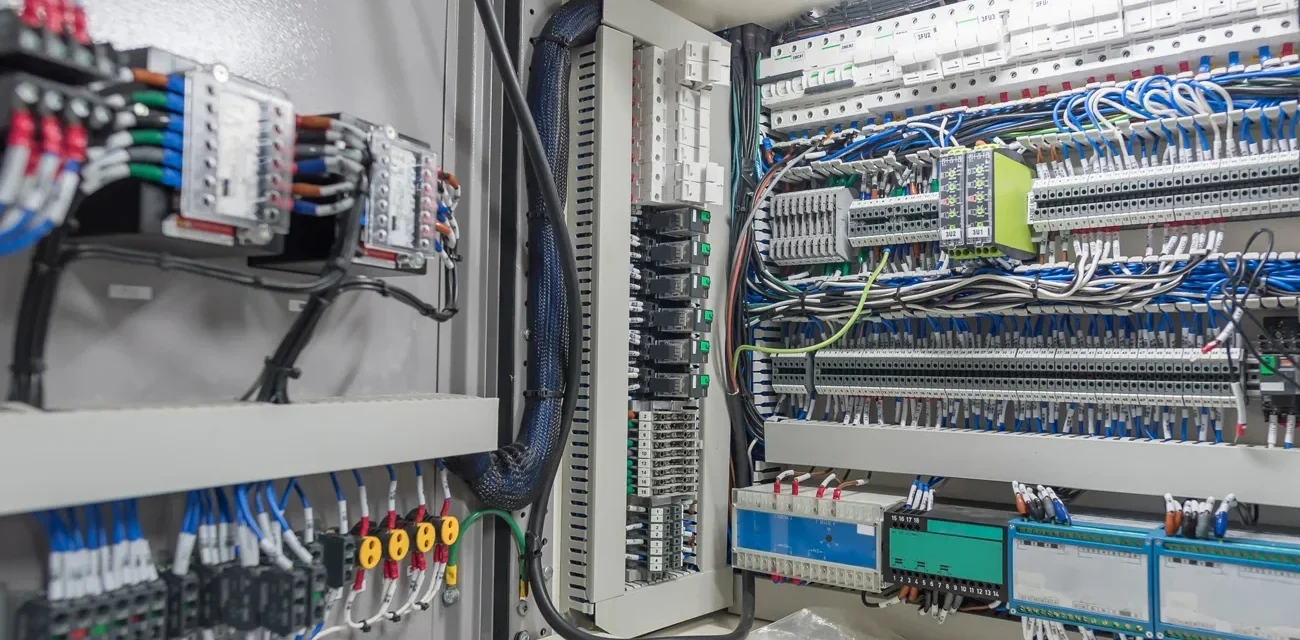
PLC Panels play a crucial role in the industrial automation processes, serving as the central control unit containing multiple PLC systems, power supply units, and communication modules. This enhances the level of organization and efficiency automation processes have. PLC Panels also provide space for system integration within a single box, allowing businesses to save space by integrating units like relays into other control devices.
Operators can also monitor the system from remote locations thanks to HMI (Human Machine Interface) connection to HMI. Safety is also enhanced with the integration of these Detectors as they enable built-in fault detection with automated emergency system shutdowns. These automatic features help avoid system breakdowns and reduce equipment downtime for maintenance allowing businesses to operate continuously without any interruptions.
Human Machine Interface (HMI) in PLC Systems
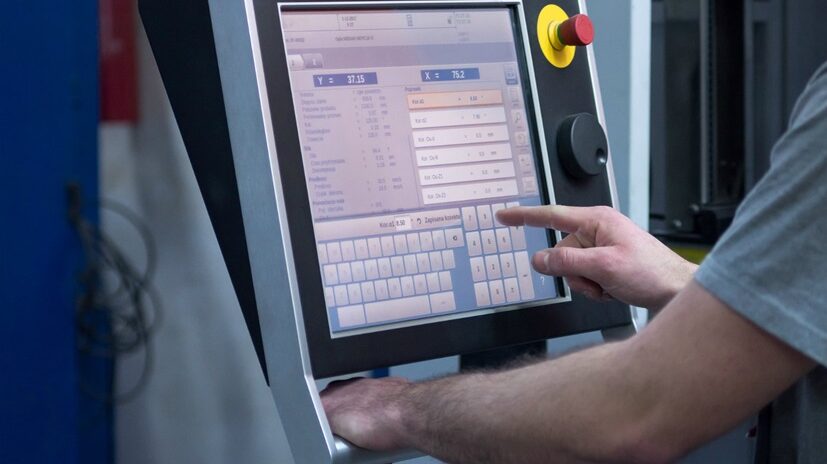
Human-Machine Interface (HMI) is a type of touchscreen or graphical interface that operators use to control PLC Systems. They receive real-time system adjustments, notifications, and performance analytics uploaded on the system’s cloud. The use of HMI makes system performance monitoring effortless for operators which comes in handy in boosting a company’s productivity.
Industries can enhance their efficiency when a PLC System is integrated with an HMI interface. HMI offers instant feedback so operators can identify issues and fix them before they escalate into larger problems. This minimizes downtime while preventing the need for expensive repairs. With HMI, complicated systems become easy to comprehend, because data is presented in a visual format.
Operators are able to observe what is happening in real-time and make rapid decisions accordingly. This feature also simplifies the use of the system by new operators and technicians.
The Role of PLC Repair Services
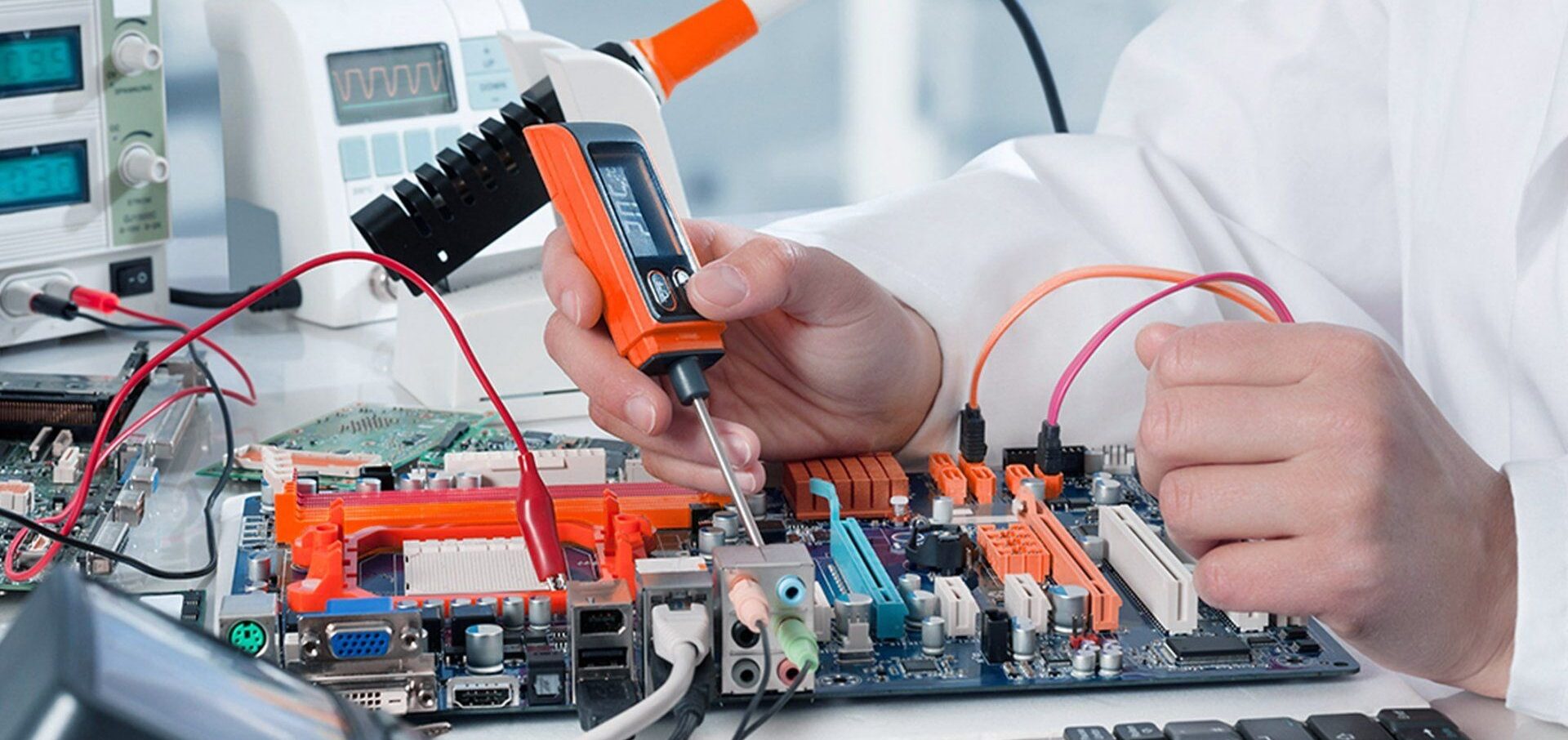
Even though PLC Systems are dependable, they will eventually need maintenance and troubleshooting. With Professional PLC Repair Services, businesses are able to diagnose problems, replace malfunctioning parts, and put new firmware in place to guarantee a high level of performance. Restoration of malfunctioning input/output modules or actuators/sensors not responding, unexpected power shutdowns or failures, and communication problems between PLC Panels are some of the issues that arise in PLC systems and are worked on by PLC Repair Services. If repairs and maintenance are regularly conducted, Industries are able to minimize expensive downtime while making sure quality control is maintained throughout production processes.
Advantages of PLC Programming Over Traditional Control Systems
Automation has revolutionized quality control in many industries, and PLC Programming stands out as one of the most efficient software solutions due to its high-speed execution and reduced delays during automation. The need for extensive wiring installation has also decreased significantly, as multiple relays can be replaced by a single PLC System. The versatility of PLC Programming enables businesses to upgrade their automation processes by making software-level changes, eliminating the need for hardware modifications. Modern PLC Panels now feature IoT capabilities, allowing operators to monitor and integrate real-time data from remote sites. PLC Repair Systems, unlike other control systems, experience less wear and tear since they have minimal parts that are mechanical, therefore requiring less maintenance.
When to Choose PLC Programming Over Traditional Control Methods
PLC Programming is a suitable choice for industries such as manufacturing and oil and gas as it provides rapid and dependable automation. Unlike traditional methods, PLC programming minimizes the need for extensive maintenance and automation because a shift in energy is monitored and controlled, preventing excessive consumption. Moreover, PLC Systems replace the need for additional wiring with programmatic functions, thus making automation integration far more economically efficient. Remote monitoring through Human Machine Interface (HMI) further aids in the effective regulation of industrial activities.
Conclusion
At Qimam Affan, we are always aware of how automation impacts different fields today. What once was an issue of implementing control systems in the initial phases of automation, PLC Programming has taken center stage due to its superior efficiency, flexibility, and low maintenance requirements. A well-integrated PLC System, including a Human Machine Interface (HMI) and housed in a PLC Panel, ensures effortless and dependable operations. The speed and productivity at which industries operate today is remarkable, and these ergonomic systems are essential for smooth functioning.
For those businesses looking to improve the effectiveness of their automation systems, PLC Programming coupled with professional PLC Repair Services will significantly enhance savings, operational dependability, and overall control of industrial processes. Not only is the efficiency of everyday tasks enhanced, but the lifespan of critical parts, machinery and components is prolonged, thus minimizing the need for expensive downtimes.
Here at Qimam Affan, we take care of your industrial automation needs with specific services like PLC Repairs Services so that your PLC system can always be in working condition, AC/DC Motor Repairs so that the motor is always at its best performance, HMI Display Repairs so that CNC Controller displays are operational, Servo Motor Repairs so that motors continue to operate at optimal levels, and PCB Repairs so that all electronic boards work. Above all, we also offer assistance in system downtimes and inefficiencies with the help of our Automation System Troubleshooting services.
FAQ
- What’s the difference between PLC Programming and traditional control systems?
PLC Programming is software-based, allowing easy modifications, while traditional systems require manual rewiring for each change.
- How do PLC Panels improve automation?
PLC Panels reduce wiring complexity, optimize space, and enable remote monitoring with an HMI, improving efficiency and reducing downtime.
- What is the role of HMI in PLC Systems?
HMI is the interface that allows operators to monitor and control PLC systems, making it easier to track performance and address issues quickly.
- Why are PLC Repair Services important?
PLC Repair Services fix common issues, extend the system’s life, and reduce downtime, ensuring continuous operation.
- When should I choose PLC Programming over traditional control methods?
Choose PLC Programming for fast, flexible, and scalable automation, with easier modifications and reduced maintenance compared to traditional methods.


Pingback: Why CNC Controller overheats how to fix them
Pingback: CNC Machine: Why You Should Upgrade Your CNC Control Panel
Pingback: Expert PCB Circuit Board Repair in Saudia Arabia| Qimam Affan
Pingback: The Role of DC Servo Motor in Industrial Robotics | Qimamaffan
Pingback: PCB Board Repair vs Replacement: Which is the Best Option | KSA
Pingback: Electronic Repair Near Me in KSA: VFD & PCB Repair Services
Pingback: Why Electrical Companies in Riyadh Preferred Qimamaffan