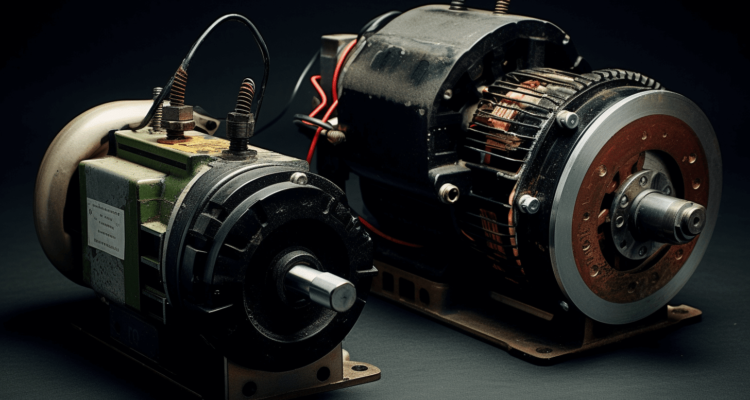
When it comes to electric motors, the debate between AC (Alternating Current) motors and DC (Direct Current) motors has been ongoing for years. Both types of motors play a crucial role in various industries, powering everything from household appliances to industrial machinery. However, choosing the right motor depends on multiple factors such as efficiency, power requirements, cost, maintenance, durability, and application suitability. Regular servo motor repair is also important for ensuring their optimal performance in high-precision systems.
AC motors are widely used in homes, commercial buildings, and industrial plants due to their high efficiency, low maintenance, and ability to operate on standard power grids. On the other hand, DC motors are preferred in applications requiring precise speed control, high starting torque, and battery-powered operations, such as electric vehicles, robotics, and automation systems.
Understanding the differences between AC and DC motors is essential for selecting the best motor for specific applications. In this blog, we will dive deep into the working principles, advantages, disadvantages, and common uses of each type, helping you make an informed decision on which motor best suits your needs.
What is an AC Motor?
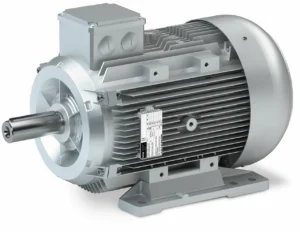 An AC motor (Alternating Current motor) is an electric motor that operates using alternating current, which periodically reverses direction. These motors play a crucial role in a wide range of applications, from household appliances and industrial machinery to HVAC systems and large-scale automation. Their ability to efficiently convert electrical energy into mechanical motion makes them indispensable in modern industries.
One of the key advantages of AC motors is their high efficiency, durability, and ability to handle variable speeds, making them ideal for systems that require precise control and adaptability. These motors are designed to provide smooth and consistent performance, making them the preferred choice for applications where continuous and reliable operation is essential. Their robust construction allows them to function efficiently under varying load conditions, reducing wear and tear while maintaining long-term reliability.
Types of AC Motors
AC motors are primarily classified into two types:
Induction Motor (Asynchronous Motor)
The most common type of AC motor, the induction motor, operates on the principle of electromagnetic induction, where the rotating magnetic field in the stator induces a current in the rotor, causing it to rotate. It does not require an external power source for the rotor, making it highly efficient and reliable. These motors are widely used in various applications, including fans, compressors, pumps, washing machines, and conveyor systems, due to their durability, low maintenance, and ability to handle varying loads effectively.
Synchronous Motor
This motor operates at a constant speed in sync with the supply frequency, ensuring precise and stable performance. It requires an external power source, such as DC excitation, to energize the rotor and maintain synchronization. Due to its ability to provide consistent speed and high efficiency, synchronous motors are widely used in high-precision applications, including robotics, industrial automation, and power generation systems. They are also commonly found in large-scale manufacturing processes, electric power plants, and specialized machinery where accurate speed control and reliability are crucial.
How Does an AC Motor Work?
AC motors operate based on the principle of electromagnetic induction. When an alternating current is supplied to the stator (the stationary part), it creates a rotating magnetic field. This field induces a current in the rotor (the rotating part), causing it to spin. The rotor keeps rotating as long as power is supplied, allowing the motor to drive various mechanical loads.
In induction motors, the rotor lags slightly behind the rotating magnetic field, a phenomenon known as “slip.” In synchronous motors, the rotor moves precisely in sync with the stator’s magnetic field, making them ideal for applications requiring constant speed.
Advantages of AC Motors
AC motors are widely used due to their efficiency, reliability, and versatility. They consume less energy, reducing operational costs, and require minimal maintenance, especially induction motors with fewer moving parts. These motors are built for continuous operation without overheating and can be easily controlled using Variable Frequency Drives (VFDs) for precise speed adjustments. Regular AC motor repair and maintenance can help ensure long-term performance and prevent unexpected breakdowns.
Thanks to their adaptability, AC motors are found in a wide range of applications, including HVAC systems, refrigerators, escalators, power plants, and automation systems. They have become an essential part of modern industries, powering everything from household appliances to large-scale industrial machinery.
What is a DC Motor?
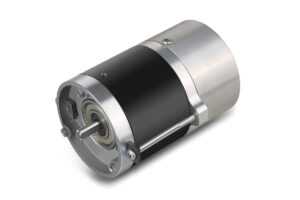
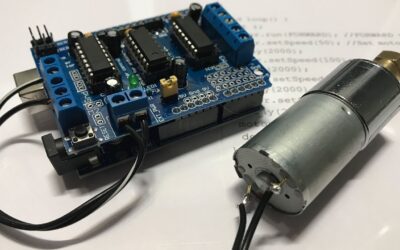
A DC motor (Direct Current motor) operates using direct current, where electricity flows in a single direction, providing smooth and consistent performance. These motors are highly efficient and widely used in applications that require precise control over speed and torque. One of their biggest advantages is their ability to start quickly, stop instantly, and change speed smoothly, making them ideal for robotics, electric vehicles, conveyor systems, industrial machinery, and household appliances. Their reliable performance and ease of control make them essential in industries where accuracy and efficiency are crucial..
Types of DC Motors:
There are two types of DC Motor.
Brushed DC Motor
A traditional type of DC motor that uses brushes and a commutator to transfer electricity to the rotor. These motors are commonly found in small appliances, power tools, automotive applications, and toys due to their simple design and cost-effectiveness. However, they require occasional maintenance as the brushes wear out over time.
Brushless DC Motor (BLDC)
A more advanced type of DC motor that eliminates brushes, making it more efficient, durable, and low-maintenance. These motors provide smoother operation, higher speed control, and greater energy efficiency, making them ideal for drones, electric vehicles, medical devices, and high-performance industrial equipment. Since they produce less heat and require minimal upkeep, brushless DC motors are preferred for applications requiring long-term reliability.
How Does a DC Motor Work?
A DC motor converts electrical energy into mechanical motion using the principles of electromagnetism. It operates based on the interaction between a magnetic field and electric current, which generates rotational force (torque).
Working Principle:
Power Supply: When direct current (DC) flows into the motor, it enters through carbon brushes (in brushed motors) or electronic controllers (in brushless motors).
Magnetic Field Generation: The current flows through the armature (rotor), creating a magnetic field that interacts with the stator’s permanent magnets or electromagnets.
Rotation Begins: The opposing magnetic forces cause the rotor to turn, creating motion.
Continuous Rotation: In brushed motors, the commutator switches the current direction to keep the rotor spinning. In brushless motors, an electronic controller ensures smooth and precise rotation.
Speed & Torque Control: Varying the voltage or using a controller allows precise adjustment of speed and torque, making DC motors ideal for applications requiring accurate movement and efficiency.
Advantages of DC Motors
DC motors are widely used due to their efficiency, responsiveness, and precise control. They allow for smooth and accurate speed and torque adjustments, making them ideal for automation, robotics, and other precision-based applications. Unlike some other motors, DC motors can start and stop instantly, responding quickly to commands, which is essential for applications like servo motors and industrial machinery .Regular DC motor repair and maintenance help ensure optimal performance and longevity.
Another key benefit is their compact and lightweight design, making them perfect for handheld tools, portable devices, and electric vehicles. Their ability to provide high torque at low speeds also makes them suitable for heavy-duty applications, ensuring reliable performance across various industries.
Key Differences Between AC and DC Motors
- Power Source:
- AC motors run on alternating current (AC).
- DC motors run on direct current (DC).
- Speed Control:
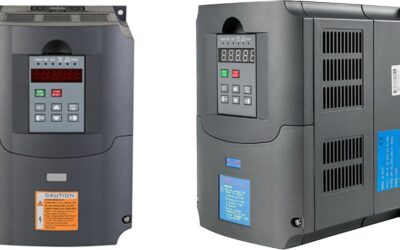
- AC motors use Variable Frequency Drives (VFDs) for speed adjustments and VFD repair is crucial to ensure their continued efficient operation.
- DC motors allow easy speed control by adjusting voltage or current.
- Efficiency:
- AC motors are more efficient for high-power applications.
- DC motors are better for precise speed and torque control.
- Maintenance:
- AC motors require less maintenance, especially induction motors, and annual maintenance helps ensure their long-term efficiency.
-
Brushed DC motors need more maintenance due to brush wear, while brushless DC motors require less upkeep, making them ideal for reduced annual maintenance.
- Starting Torque:
- AC motors have lower starting torque, which can be improved using capacitors or VFDs.
- DC motors provide high starting torque, making them ideal for heavy loads.
- Size & Weight:
- AC motors are generally larger and heavier due to their complex design.
- DC motors are compact and lightweight, making them suitable for portable devices.
- Application Areas:
- AC motors are used in HVAC systems, industrial machinery, home appliances, and conveyor belts.
- DC motors are found in electric vehicles, robotics, automation, power tools, and drones.
- Cost:
- AC motors typically have a lower initial cost.
- DC motors can be more expensive due to controllers and maintenance needs.
Which Motor is Best?
The choice between AC and DC motors depends on the specific needs of the application. AC motors are widely used in industries where continuous operation, efficiency, and low maintenance are essential. They are commonly found in HVAC systems, industrial machines, conveyor belts, and home appliances due to their durability and ability to handle large power loads efficiently. Their lower initial cost and minimal upkeep, along with reliable repair services, make them a cost-effective solution for long-term use.
DC motors, on the other hand, are preferred in applications that require precise speed and torque control. They are commonly used in electric vehicles, robotics, automation systems, and medical devices where quick response and accuracy are crucial. DC motors also provide high starting torque, making them ideal for heavy-duty applications like cranes and elevators. Their compact and lightweight design, combined with specialized repair services, makes them suitable for portable and battery-operated devices.
- If you need power efficiency for large applications, go for AC motors.
- If you need precise control and quick response, DC motors are the better choice.
Why Choose Qimam Affan?
At Qimam Affan, we are dedicated to providing high-quality motor solutions tailored to meet the diverse needs of our clients. Whether you require AC motors for industrial applications or DC motors for precision control, we ensure reliable, efficient, and cost-effective options.
We focus on delivering premium-quality products that offer durability and long-term performance. Our experienced team provides expert guidance to help you choose the right motor for your specific application, ensuring maximum efficiency and reliability. With competitive pricing and exceptional after-sales support, we make sure our customers receive the best value and seamless operation.
From HVAC systems and industrial automation to electric vehicles and robotics, our motors are designed to power a wide range of applications. With a commitment to innovation, excellence, and customer satisfaction, Qimam Affan is your trusted partner for all motor and automation needs.


Pingback: What is a PCB and How Does it Work in Industries in Saudi Arabia?