
Introduction of PLC Panel
At Qimamaffan, we specialize in offering expert services for PLC panel installation, PLC programming, PLC repair, and complete solutions for industrial automation. With over a decade of experience, we’ve helped industries across Pakistan streamline their operations with powerful and efficient electrical control panel systems. Whether you’re setting up a new factory or upgrading your PLC system, Qimamaffan is your go-to partner for smart industrial control. In today’s fast-paced manufacturing and processing environments, a PLC panel is no longer a luxury—it’s a necessity. These intelligent systems are the backbone of automation, bringing reliability, speed, and accuracy to every operation.
What is a PLC Panel?
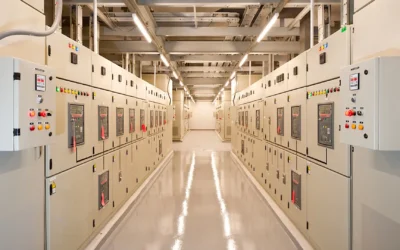
A PLC panel, or Programmable Logic Controller panel, is a specialized type of electrical control panel designed to automate industrial processes. It includes a CPU (Central Processing Unit), power supply modules, a communication interface, and an I/O (Input/Output) module. These parts are responsible for obtaining data from field devices and sensors, processing it through pre-defined logic, and outputting commands to control the machinery automation. Industrial PLC panels enable precise and repeatable control in dynamic contexts such as manufacturing and energy sectors. Consequently, businesses utilizing PLC systems can control product consistency and eliminate all manual processes, resulting in streamlined business operations and reduced costs.
How PLC Panels Work
The working mechanism of a PLC panel revolves around its ability to continuously monitor the status of input devices such as sensors and switches, execute programmed instructions, and control outputs like motors, lights, or valves. The entire process takes milliseconds, allowing for high-speed automation. When input signals are received, the PLC system evaluates them based on the defined logic in its PLC programming. This real-time processing ensures that even the most complex processes run smoothly and efficiently. With a well-structured PLC panel, industries can eliminate delays and errors associated with manual operations.
Why PLC Panel is Crucial for Industrial Automation
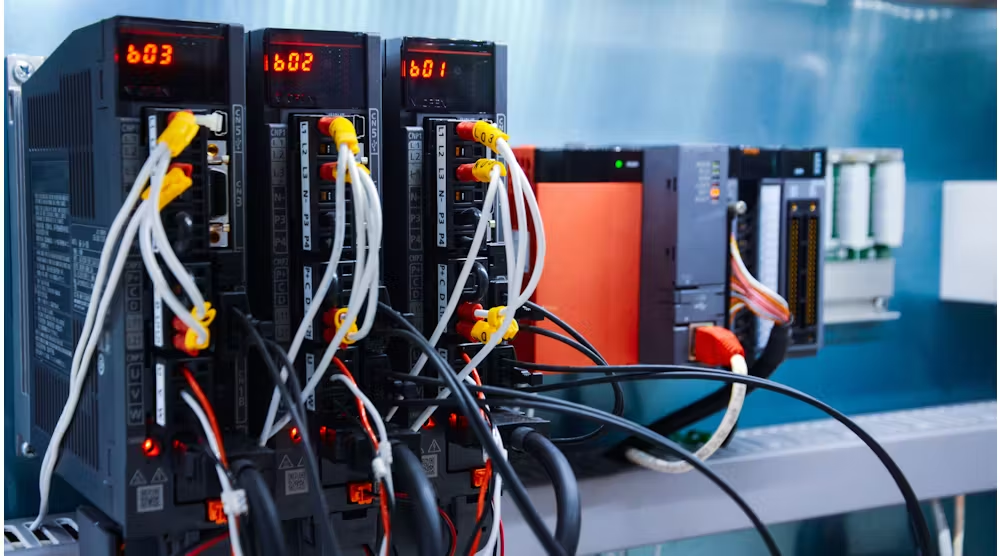
In PLC Panel Design provides seamless industrial automations PLC panel design is critical for the sophisticated automation of industrial tasks as well as for monitoring machinery due to its high accuracy and efficiency. Workers previously handled complex machinery processes and systems manually, which often led to human error. As a result, businesses turned to PLC programs to meet their specific operational requirements.
It catered to many applications across industries. The infused PLC’s adaptability surged the possibility to optimize production processes within the operations, reduce the time and cost economically. For businesses, the reliability of systems also adds to the peripheral benefits.Monitoring systems provides another advantage of monitoring the systems from remote locations enables companies to respond to system issues more conveniently and in a timely manner. Overall, PLC panels are not an investment made to enhance technology, but are vital for smooth running productivity, and businesses to stay competitive within the region and world.
Benefits of PLC Panels in Industrial Automation
Enhanced Process Control
The most notable benefit of a PLC panel is the enhancement of process control. Since it can monitor various inputs in real-time and adjust outputs accordingly, the PLC system allows for highly accurate control of industrial processes. A PLC panel actively maintains temperature levels, manages conveyor belts, and regulates fluid levels to ensure consistent task performance without human error.
This level of automation boosts productivity, reduces waste, and supports continuous operations, which is critical in modern industrial automation environments.
Improved Safety and Reliability
A PLC panel improves safety and reliability by automating hazardous tasks and removing the risk of manual error. When integrated with safety protocols, the PLC system can instantly shut down equipment in case of emergencies, preventing damage and injury. Its built-in diagnostics and fault detection capabilities allow operators to monitor performance and react promptly to any anomalies. Because of its robustness and ability to work in harsh conditions, the PLC panel has become a trusted component in achieving high reliability in industrial automation.
Integration with Modern PLC Programming
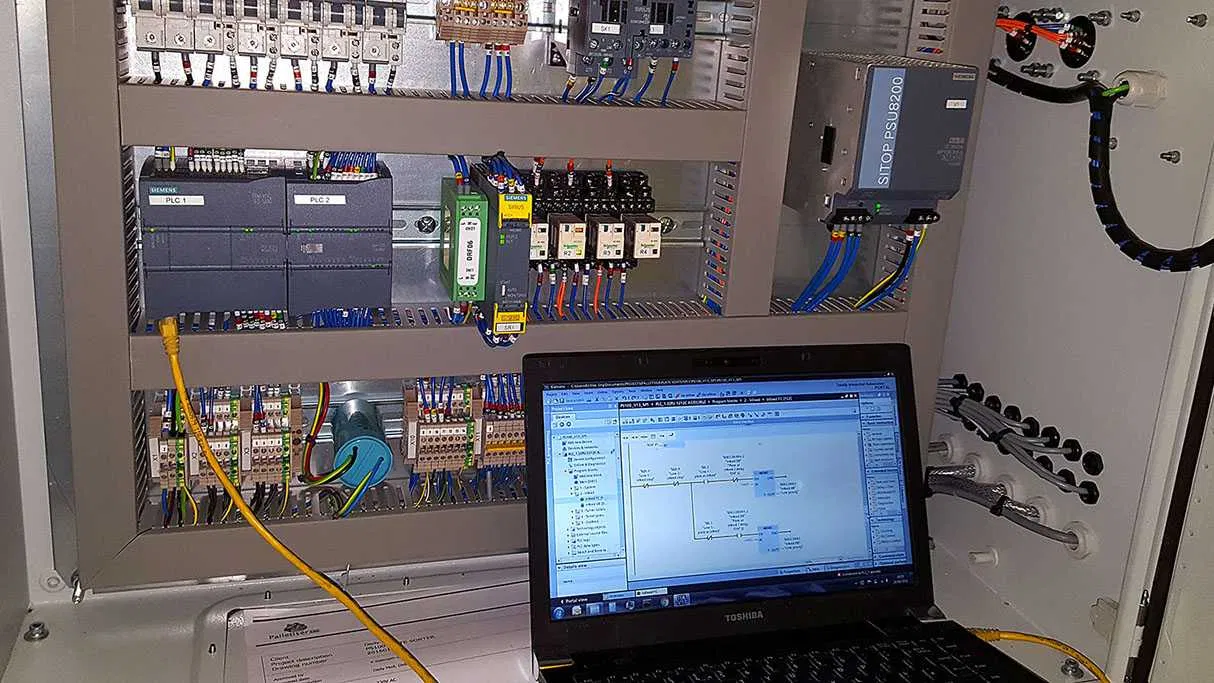
Modern PLC programming plays a critical role in the functionality of today’s PLC panels. With advancements in software development, technicians can now program highly complex instructions that allow PLC systems to manage entire production lines. These programs can be customized for specific workflows, allowing industries to automate tasks that were previously done manually. Additionally, the flexibility of PLC programming means changes can be made quickly and efficiently without altering the physical hardware of the PLC panel board , making it ideal for dynamic industrial environments.
Popular PLC Programming Languages
Ladder Logic, Structured Text, and Function Block Diagram are the most commonly used languages in PLC programming. Ladder Logic remains the most popular due to its simplicity and visual representation, which closely resembles electrical relay logic. Structured Text is more advanced and is preferred when complex calculations or decision-making are required. These languages allow engineers to develop logic that enables the PLC panel to respond intelligently to various inputs and produce accurate outputs. This programmability ensures that the PLC system adapts well to evolving industrial needs.
Programming Custom Logic for Industrial Use
Custom logic in PLC programming is essential for industries with unique or intricate processes. A PLC panel can be programmed to perform specific sequences tailored to a company’s operations, such as controlling robotic arms, batching recipes, or coordinating multi-step assembly lines. With a custom PLC system, companies can improve operational efficiency while reducing human error. Since updates to logic can be made through software, the system remains adaptable and future-ready without needing hardware replacements.
Choosing the Right Electrical Control Panel
Choosing the right electrical control panel depends on your specific industry needs, the complexity of your operations, and the scale of your automation. A properly designed PLC panel should accommodate current requirements while being flexible enough to support future expansions. At Qimamaffan, we assess your workflow, determine input/output requirements, and help you select or design a PLC system that aligns perfectly with your process goals. Investing in a high-quality electrical panel today ensures smoother operations, fewer breakdowns, and long-term performance stability.
Why Choose Qimam Affan for Your PLC Panel and Industrial Automation Needs
In the reliability, accessibility and efficiency of PLC panel and industrial automation systems. Qimamaffan is a partner that is very particular and can be relied upon. From hands-on experience spanning over a decade, we offer a complete range of services from installation and PLC Programming to troubleshooting and proprietary control panel design. Every service we offer caters to the needs and specifics of each sector.
The combination of technical know-how with a proactive stance on quality and unparalleled customer service is what makes us unique. For businesses opening new locations or retrofitting PLCs in older ones. Our tailored assistance guarantees immediate answers to questions and prepared solutions to streamline the processes. We provide services across Saudi Arabia through a network of certified specialists who recognize the importance of automation and guarantee compliance with the requirements of modern enterprises.
Conclusion
The PLC panel has become indispensable for enhancing productivity, accuracy, and safety in any workplace. These systems have real-time control capabilities and highly sophisticated diagnostic PLC programming that makes them unparalleled in efficiency across sectors. Qimam Affan aims to provide businesses with the confidence to embrace automation. Our solutions extensively optimize processes and minimize inactivity which keeps you competitive in today’s world. Join us today and transform your business with intelligent automation that makes a difference.
Contact us today to upgrade your automation system—Qimam Affan’s expert team is ready to guide you toward smarter, more efficient industrial control solutions tailored to your needs.
FAQs
Q1: What is a PLC panel used for?
It automates and controls industrial machines by processing input signals and managing outputs.
Q2: Which industries use PLC panels?
Manufacturing, oil & gas, water treatment, food processing, energy, and more.
Q3: How is a PLC panel different from a regular control panel?
A PLC panel offers programmable automation, while regular panels rely on manual or basic electrical control.
Q4: Can I upgrade my current system to a PLC panel?
Yes, Qimam Affan provides efficient upgrade solutions tailored to your operations.
Q5: What PLC programming do you offer?
We use Ladder Logic, Structured Text, and Function Block Diagrams based on your needs.
Q6: How do I choose the right PLC system?
Our team analyzes your process and recommends the best fit for performance and scalability.
Q7: Do you provide PLC repair services?
Yes, we offer fast and reliable PLC repair and maintenance across Saudi Arabia.
Q8: How do I get started with Qimam Affan?
Contact us today via call, email, or our website for a custom automation solution.


Pingback: Top Electrical Control Panel Solutions for Industries in Saudi Arabia
Pingback: Panel Repair Solutions for Overheating & PCB Damage | KSA