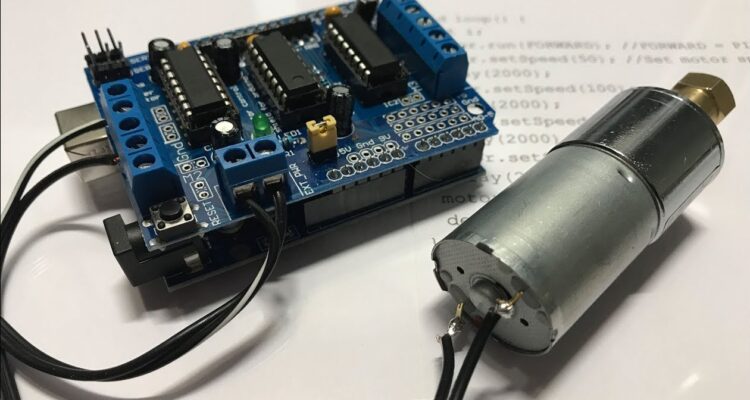
The importance of precision control of speed and torque renders DC motors fundamental in the Human-Machine Interface (HMI) and Variable Frequency Drive (VFD) systems. Achieving this level of control allows smooth and efficient machinery operation which is ideal for applications where performance accuracy is vital.
In the case of these motors in VFD systems, they are unrivaled in their almost constant torque at different speeds, rapid response to shifts in load, and power-efficient energy use. These characteristics enhance the effectiveness of the motors in relation to other types. Additionally, the ease of control allows for adaptable change to differing operational conditions.
Their superiority over AC motors lies in the flexibility and control in speed which, for frequently changing systems, is essential. While high end servo motors are available, they offer enormous complexity and cost for their precision. In comparison, this makes the motors more uncomplicated and financially suitable for a variety of applications.
Understanding the Basics of DC Motors
A Direct Current (DC) motor is a kind of electric engine that changes electrical energy to mechanical energy by the action of electrical currents and magnetism. The movement of rotors is exerted by a combination of Lorentz forces acting on current-carrying conductors placed within a magnetic field.
Depending on their construction, DC motors can be classified into two types: brushed and brushless. They are the most popular amongst other types of electric engines as they provide high power and respond to dynamic control input while enduring excessive levels of acceleration and maintained speed.
Why DC Motors Are Essential for HMI and VFD Systems
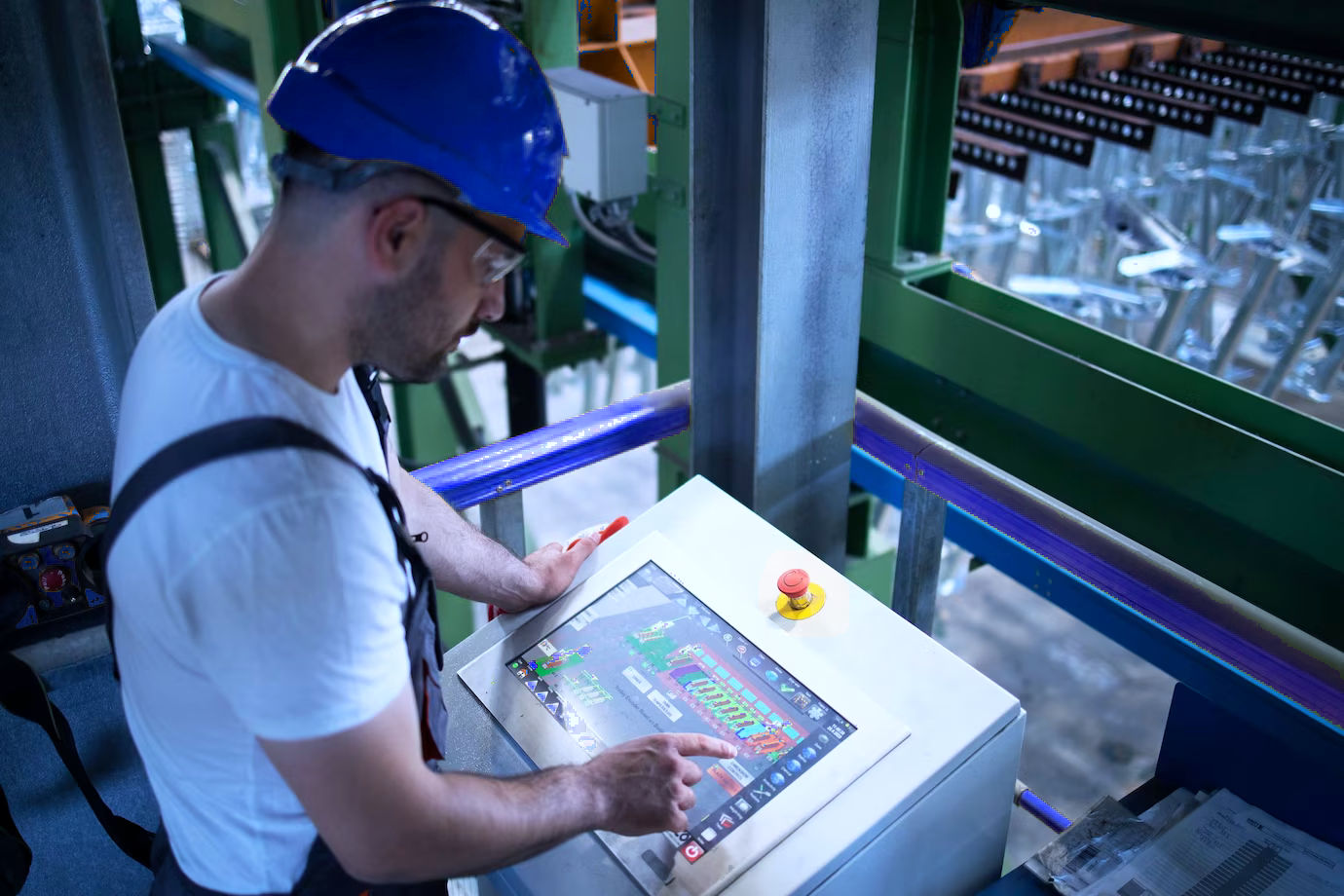
Human-Machine Interfacing (HMI) Systems allow operators to control machinery through graphical interfaces. These systems work best when the equipment responds appropriately to inputs made by the operator. Controlling either a stepper or servo motor using DC drives results in maximum performance since such drives offer very low position control errors and good speed control even with load variations. This allows for accurate tracking of requested values. Furthermore, these motors guarantee sustained operation over a long duration in HMI applications which need high accuracy and real-time control. This is because of their precision.
DC motors are particularly effective in a VFDs context, due to their capacity to command consistent control of the motors rotational speed and effective power prompt. The motor’s response to change in a load, temperature and operational conditions enables change in a rough manner but in a gentle manner.
In a VFD system, DC motors outperform under widely fluctuating load conditions particularly with the economy of speed and torque responsiveness required in numerous applications. This attribute makes them highly efficient and flexible to accommodate a wider scope of applications from transport to industries.
DC Motor vs. AC Motor: Key Differences
To understand the true value of DC motors, it’s important to compare them with AC motors, the most commonly used alternative. Here are the main differences that explain why DC motors are often preferred in HMI and VFD systems.
Speed Control:
- DC motors offer precise and smooth speed control. By adjusting the voltage or current supplied to the motor, you can achieve highly accurate speed changes.
- In contrast, AC motors are less efficient at providing fine control of speed. While AC motors can be controlled using additional equipment like VFDs, the process is typically more complex and expensive.
Torque:
- This is beneficial in applications that require stable force, such as in HMI systems where operator inputs need to be consistently reflected in the motor’s response.
- AC motors, on the other hand, exhibit fluctuating torque, which may not be ideal for applications requiring constant, reliable performance.
Efficiency:
- DC motors generally have higher efficiency at low speeds compared to AC motors, which makes them more energy-efficient for systems that frequently change their operational speeds.
Control System Complexity:
- DC motors can be controlled with simple circuits, and their performance is highly predictable.
- AC motors may require additional components like transformers, inverters, or specialized controllers to adjust speed and torque, making them more complicated and costly.
Servo Motor Control and Its Role in Comparison to DC Motors
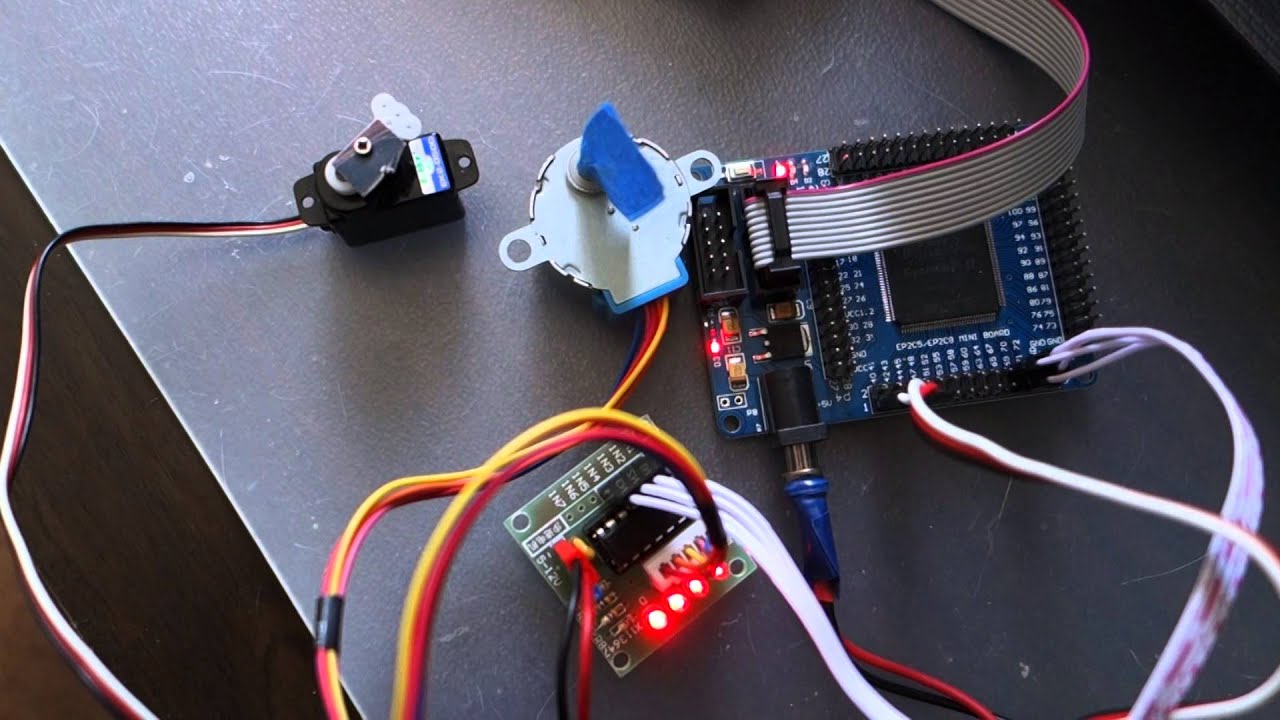
Servo motors are no different. They are used in industrial systems that need high precision. However, these systems are often much more sophisticated and pricey than ones using DC motors. A servo motor control system also needs the motor’s position, speed, and torque to be properly set. That system alone would also require an extremely accurate measuring system. All of this encompasses a hefty amount of costs. In comparison to the above measurements, controllable and uninterrupted DC motors can be less costly. This is an intricacy that comes when using servo motor control.
Where servo motors face an array of complicated mechanisms, DC motors remain simple. Henceforth advancing in competition for cost effective precision applications. A great example of systems with precisely DC motors would be HMI and VFD systems. These too, along with the rest, are served well with the excelling features of DC motors and don’t require any costly control devices.
Motor Types: DC, AC, and Servo Motors
It’s essential to understand the different motor types and their advantages when designing or selecting an appropriate system. Here’s a brief comparison of the three main motor types:
- DC Motors:
- Offer precise speed and torque control.
- Great for jobs that need changing speeds and steady torque.
- AC Motors:
- Commonly used for applications requiring constant speed.
- Less efficient for variable speed control.
- Require additional components for speed regulation, such as inverters or VFDs.
- Servo Motors:
- Known for their high precision and closed-loop control.
- Ideal for applications requiring extremely accurate positioning.
- More expensive and complex than DC motors, making them less cost-effective in many applications.
Why Qimamaffan is Your Go-To Choice for Reliable DC Motors
At Qimamaffan, we know how important it is for your equipment to run smoothly and efficiently. That’s why we specialize in providing high-quality DC motors that work perfectly with Human-Machine Interface (HMI) and Variable Frequency Drive (VFD) systems. Our DC motors offer precise control over speed and torque, ensuring your machinery performs reliably and efficiently in any industrial setting.
We also offer PLC repair services to keep your control systems working at their best. Our team of experts is ready to diagnose and repair any issues with your Programmable Logic Controllers (PLCs), helping you minimize downtime and keep operations running smoothly.
If you need PCB board repair, Qimamaffan has you covered. We specialize in fixing printed circuit boards, ensuring they are restored to full functionality, so your equipment stays up and running without any interruptions.
In addition, we provide HMI display services. Whether you need to repair or upgrade your HMI display, we offer solutions that improve how operators interact with your machinery, making everything easier to control and monitor.
Finally, we offer automation services to help improve your workflows and boost productivity. We design automation solutions that help make your processes faster, more efficient, and more cost-effective
At Qimamaffan, we provide reliable, affordable solutions for DC motors, PLC repair, PCB board repair, HMI display, and automation services. We’re committed to keeping your systems running smoothly and ensuring you get the best performance from your equipment.
Conclusion
In conclusion, DC motors are essential for the operation of HMIs and VFDs. Their precise control over speed and torque makes them essential for industrial applications that demand precision and thoroughness. Compared to AC motors, which are more rigid in their adaptability with speed changes, and servo motors repair, which are intricate and pricey, these types of motors are truly flexible in their reliability and cost.
For most industries that want to enhance their control systems without losing performance or increasing costs, these motors remain unmatched. It does not matter whether your intention is to redesign these systems or create fresh ones; selecting a motor is highly important—and in most cases, DC motors serve that purpose easily. Here at Qimamaffan, we provide accurately engineered, top-grade motors tailored to the specifications of your industrial systems, ensuring unmatched reliability alongside energy efficiency.
Contact us today to learn more about how Qimamaffan can support your DC motor needs and enhance your systems’ performance.
FAQs
1.What is the main advantage of using DC motors in HMI and VFD systems?
DC motors provide precise control over speed and torque, ensuring smooth and efficient operation, making them ideal for applications requiring high performance.
2.How do DC motors compare to AC motors in terms of speed control?
DC motors provide smoother and more accurate speed control than AC motors, especially in systems that often need speed changes.
3.Why Are Servo Motors Costlier and More Complicated Than DC Motors?
Servo motors require complex feedback systems for precision, making them more expensive and intricate compared to DC motors, which are simpler and more affordable.
4.How do DC motors perform in Variable Frequency Drive (VFD) systems?
DC motors excel in VFD systems by maintaining consistent torque and speed, offering efficiency and smooth performance under changing loads.
5.Why should I choose Qimamaffan for DC motors and related services?
Qimamaffan offers high-quality DC motors, along with PLC repair, PCB repair, HMI display, and automation services to enhance system performance at a competitive cost.

Pingback: Motor Repair Services | AC & DC Motor Repair by Qimamaffan