In the field of precision machining, the two core approaches continue to be CNC programming and manual machining. Each of them has distinct pros and cons, and the right decision is largely dependent on your company, the intricacy of the tasks at hand, and the wanted outcome.
Due to its high level of accuracy, speed, and consistency, CNC programming is popular in modern manufacturing. It automates the entire process, making it preferable for bulk production of intricate components. In contrast, manual machining depends on the skill and adaptability of the operator—making it more versatile, albeit far less precise than CNC.
This article intends to analyze the functioning of both methods, their respective merits, and why growing companies prefer investing in CNC frameworks for their productivity and quality benchmarks. Whether you are a small workshop or a large-scale manufacturer, knowing the line between CNC programming and manual machining would allow you to make informed decisions as per your requirements.
What is CNC Programming?
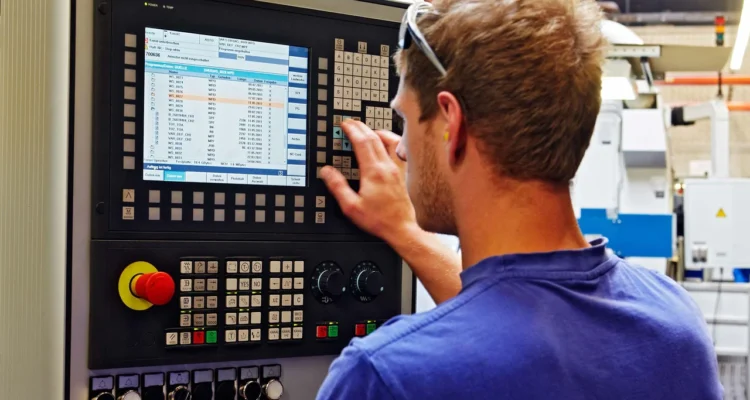
CNC programming stands for Computer Numerical Control programming. It is a technology that uses computers to automate the operation of machine tools. Human operators cannot achieve the level of precision, repeatability, and efficiency that is possible with CNC programming.
The part designs and tool paths are created on a computer and then sent to the CNC machine for processing. Instead of manually operating the tool, the operator interacts with the machine through specialized software that allows for precise control. The steps the operator takes are referred to as commands, which are given to the machine controller in the form of G-code or M-code. These codes stipulate what movements machine tools are to take and their corresponding speed, position, and route for each operation sequentially.
Cutting, drilling, milling, grinding, and turning are some of the tasks performed by CNC machines. With CNC programming, tasks can be performed automatically which leads to very high efficiency and repeatability in the tasks that were previously done manually. A CNC operator is expected to monitor the entire process and make sure the equipment is functioning properly.
Servo motor control is one of the main CNC machine systems, which completely controls machinery parts motion. Each section of the equipment has the ability to move quite accurately due to the DC servo motor feedback system which guarantees movement in precise, controlled conditions making CNC programming dependable for large volume production or projects requiring high levels of precision.
How CNC Programming Works
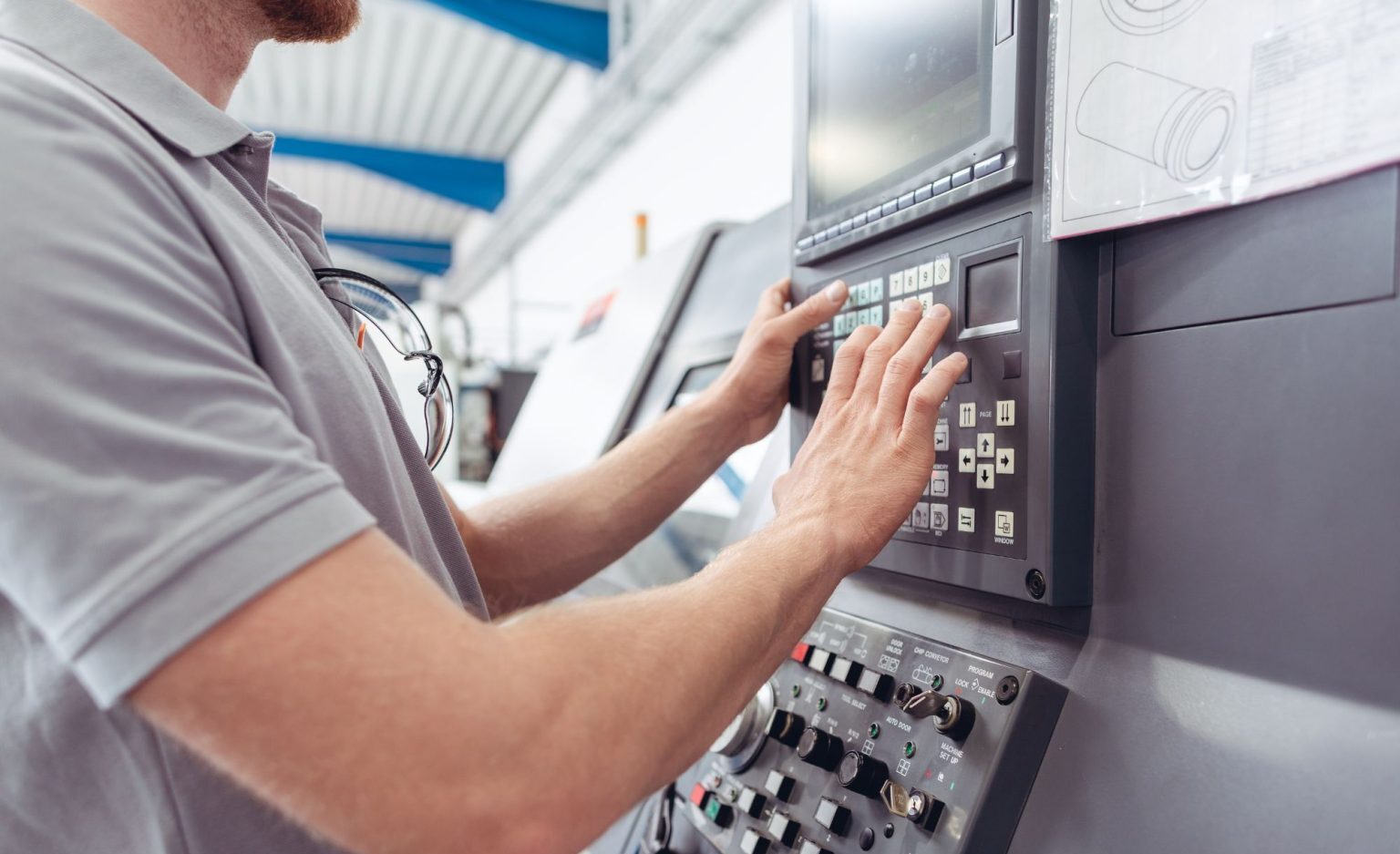
CNC programming entails the utilization of computers to control machine tools with precision. The process begins by designing a part using CAD software. Once the design is ready, it is converted into a language the CNC machine can understand, like G-code or M-code. This code tells the machine how to move, how fast to go, and what actions to take. The CNC controller interprets these instructions and controls the machine. Servo motors, alongside DC servo motors, help define the position of the machine to ensure every action is done accurately. These motors guarantee that every CNC action, be it cutting, drilling, or shaping, is performed according to the specifications.
This approach provides repeatable production at high speeds and minimal chances of human error. The machine, once programmed, may operate independently with no supervision, maintaining optimal quality in parts produced CNC programmed machinery has transformed industrial automation by enhancing productivity and minimizing manual tasks, enabling precise and consistent manufacturing processes.
Key Benefits of CNC Programming:
High Precision and Accuracy
CNC machines can make extremely accurate cuts, sometimes down to just a few microns. This makes them perfect for industries that need high precision, like aerospace, automotive, and medical device manufacturing.
Consistency and Repeatability
Once programmed, CNC machines can produce identical parts with the same high-quality results, even in large production runs. There is virtually no variation between pieces, which is crucial for industries that need to maintain strict product standards.
Reduced Labor Costs
CNC machines require less direct human involvement, meaning fewer operators are needed on the floor.
Increased Efficiency
CNC machines can operate continuously without breaks. This means a significant increase in production speed, especially during night shifts or weekends when human operators might need rest.
Capability to Handle Complex Parts
CNC programming makes it possible to create detailed and complex designs that are very hard or even impossible to make by hand. The precision and versatility of CNC technology make it the go-to option for manufacturers who need to work with challenging geometries or small tolerances.
What is Manual Machining?
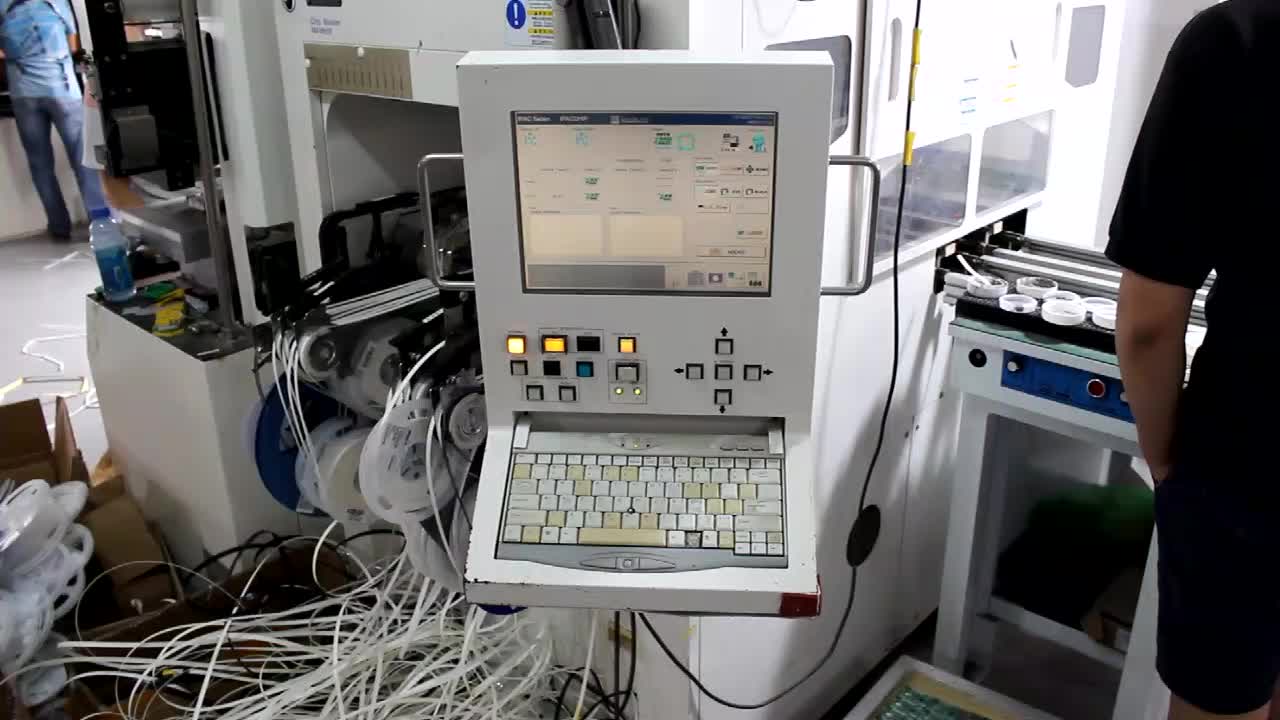
In comparison, manual machining is the traditional method of operating machine tools. In manual machining, the CNC operators or technicians turn the machine’s handles, levers, and buttons to physically control the machine. The operators determine the movement of the tools either through automation or manually using automation.
The operator using manual machines has to perform all the measuring, setting, and tool path controlling the way the machine has to execute it. Manual machines, as opposed to CNC ones, do not possess an automatic repetition system. The knowledge and proficiency of a manual machinist are paramount in manually achieving the desired standards of precision and accuracy, along with combined skill. Though lacking in features such as servo motor control, modern CNC controllers, and manufacturability capabilities, manual machining is still relevant in certain flexible, creative, and unstructured tasks. A manual machine’s work quality depends greatly on the proficiency and prior experience the operator has as a CNC machine operator.
Although manual machining is still relevant in various domains, industrial automation is slowly assuming control of processes which necessitate higher precision, speed, and repetitiveness. The integration of automation into production processes is enabling companies to enhance operational efficiency while minimizing errors.
How Manual Machining Works
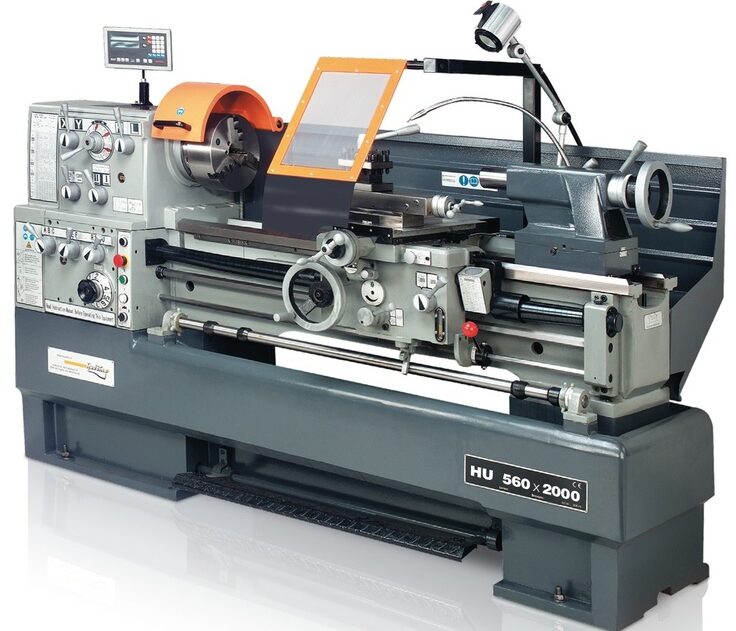
Machining manually is the first method which involves an operator hand guiding the tools to perform cutting, drilling, or shaping tasks. After initializing the machine and ensuring the workpiece is fastened in place, the CNC operator or technician chooses the tools to be used. Also, he sets the machine’s speed, cut depth and other parameters that need manual adjustment.
The handles assembled onto the cutting tool which are located on the lever of the machine, called as the cutting tool holder are joined to the computer thereby enabling it to shift alongside the material. A code that guides the machine from the main computer is not present like it is in CNC. The operator is required to adjust the settings stepwise and closely track the part to verify that it is indeed getting shaped to the desired form.
Real-time modification of set changes is made through the use of various measuring devices available, and the operator as mentioned earlier has the option to modify them within the limit that has been predefined. Parts and component changes can be executed with ease owing to the simplicity offered by manual machining, however, the flexibility is strictly guided by skills and experience the operator possesses. Comparison between CNC programming and manual machining depicts the level of human error because programming puts every task on autopilot eliminating the possibility of time-consuming manual labor.
Key Benefits of Manual Machining:
Flexibility
Manual machining allows the operator to make quick adjustments during the process. If changes to the design are needed, it’s easier to implement these without the need for extensive reprogramming or machine setup.
Cost-Effective for Small Batches
For small orders, prototypes, or repair work, manual machining can be more cost-effective as it does not require the investment in expensive CNC programming or machine setup.
Simplicity
Manual machines are often easier to use for basic or less complex tasks. The setup is straightforward, and there’s no need to deal with the complexity of software programming.
Less Initial Investment
Manual machines usually cost less to buy and maintain compared to CNC machines. This makes them an attractive option for small businesses that don’t require high-volume, high-precision production.
Human Insight
An experienced operator can often solve problems and make decisions based on the feel of the material, vibrations of the machine, and other factors that a computer may not account for.
CNC Programming vs Manual Machining: Which One is Better for Your Business?
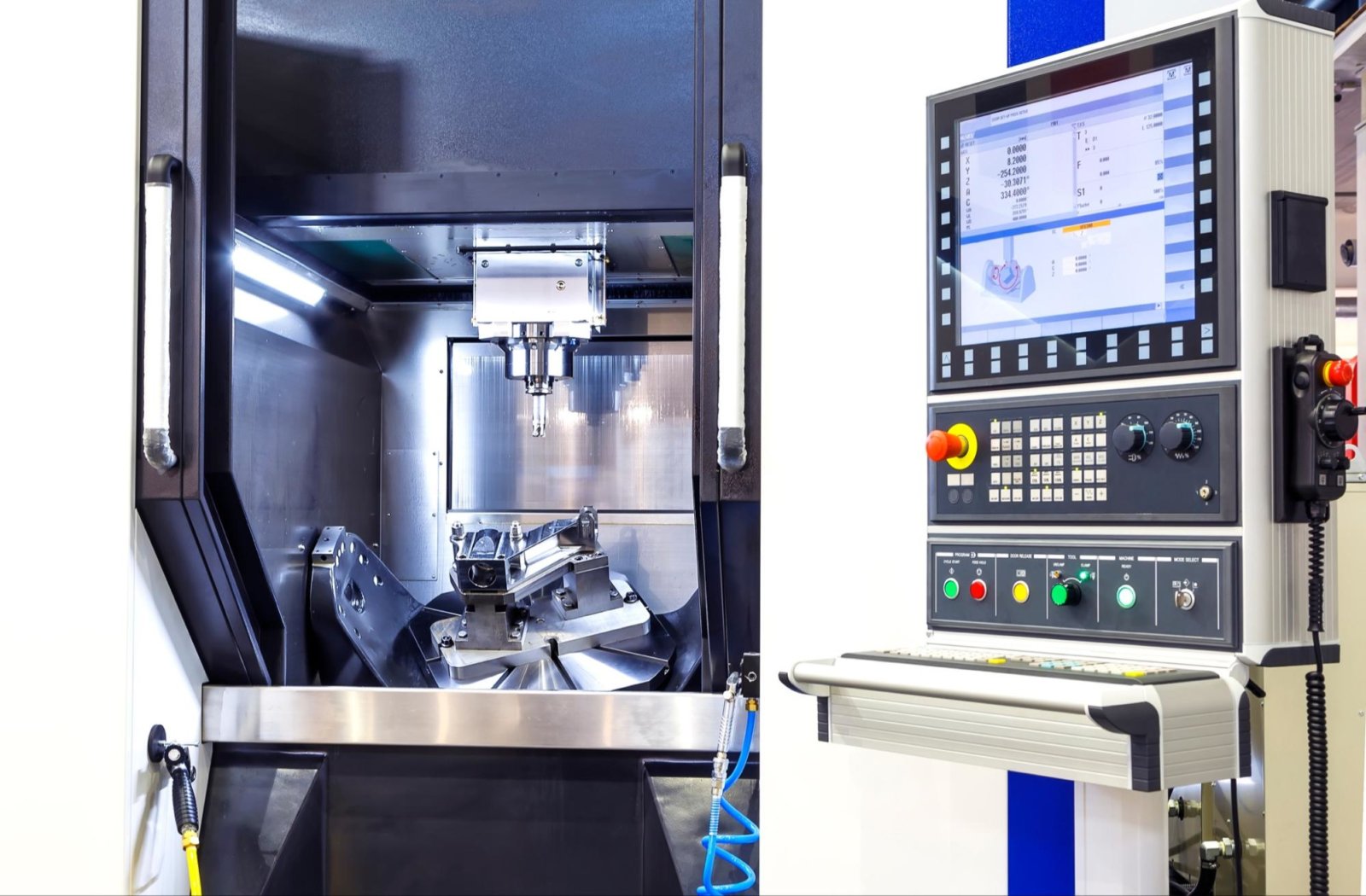
Like other industrial processes, both CNC programming and manual machining have their advantages, but are tailored to different types of manufacturing requirements.
CNC Programming is ideal for companies that require parts to be produced in bulk, as it provides unmatched accuracy and uniformity. Best suited for the aerospace, automotive, medical, and electronics industries, parts need to be produced within precise tolerances. Furthermore, the intricate geometries that CNC machines can tackle manual methods struggle with provide a distinct advantage. The speed and efficiency of CNC machines are unmatched for large-scale operations as their production time is significantly higher.
Manual Machining is superior for small businesses, repair shops, and low-volume manufacturers that specialize in custom work, or components of simple design and less intricate detailing. Cost-effective methods for prototypes, it is best for rapid changes in design. Projects that are one-off or low volume are far more suited to manual machining as it offers flexibility that outperforms CNC machines.
Overview: CNC Programming vs Manual Machining
As stated previously, the CNC programming and manual machining decision comes down to the scope and type of your operations. It goes without saying that for businesses whose CNC programming is crucial for production, repeatability, precision, or require high-volume production, it’s certainly the best option. Modern manufacturing industries can’t do without it due to its unrivaled automation, speed, accuracy, and effectiveness.
For firms dealing with custom jobs, small batch runs, or simple parts, manual machining is still a viable option. It provides a considerable amount of flexibility and cost savings, especially when dealing with tight finances or the necessity for designing alterations at short notice.
Knowing the strengths and weaknesses of the two methods will help you identify the best machining process suitable for your particular business. Whether it is CNC programming or manual machining, both methods have relevance in today’s complex world of manufacturing.
Why Choose Qimam Affan for CNC Programming?
At Qimam Affan, we specialize in providing top-tier CNC programming solutions tailored to meet the unique needs of your business. Our expertise in CNC programming ensures high precision, repeatability, and efficiency, making us the ideal partner for businesses looking to produce complex parts with tight tolerances. With our advanced technology and experienced team, we help streamline your production process, reduce labor costs, and increase overall efficiency. Whether you need high-volume production or intricate, custom designs, QimamAffan’s CNC programming services deliver consistent, high-quality results that support the growth and success of your business. Choose Qimam Affan for reliable, cutting-edge solutions that elevate your manufacturing capabilities.
At Qimamaffan, we offer more than just CNC programming. We specialize in servo motor control and VFD control to help enhance the precision and performance of your machinery. Our team ensures that your systems run efficiently, offering high-quality services tailored to your specific needs. Whether you’re working with high-volume production or custom designs, we provide reliable solutions to meet all your industrial automation requirements.
Additionally, we provide expert services in PCB circuit board design and repair, PLC programming, and industrial electronics repair services in Riyadh. With our vast experience, we ensure that your equipment operates seamlessly, improving productivity and reducing downtime. At Qimamaffan, we are committed to providing top-notch services to support your business’s growth and success.
Conclusion:
As noted, both CNC programming and manual machining processes have unique advantages relative to specific business requirements. Programs that prioritize accuracy and require repetitive replicating of a workpiece do best with CNC, as utilized in aerospace, automotive, medical devices, and electronics industries. Versatile modern manufacturing processes benefit from CNC programming’s automated speed, precision, and repetitive capabilities. In contrast, manual machining remains a potent contender for creative lower volume production, one-off designs, and indeed flexible small business projects.
As discovered, the choice between CNC programming and manual machining depends on the size of your operations, the intricacy of the projects, and the specific needs of your business.
Qimamaffan offers quality industrial automation services with software and hardware integration including servo motor control, VFD control, CNC programming, and much more. Our experts are fully equipped to assist you with enhancing your operations and efficiency.
Contact us today to learn how we can support your business with cutting-edge solutions and reliable services.


Pingback: PLC Repair Services | Qimamaffan Industrial Automation Experts.