In the case of CNC machines and industrial automation, their CNC controllers require operational temperature regulation for efficient and effective functioning. Of the many issues, overheating is the worst as it leads to poor performance, unexpected halts, and in serious cases even permanent damage that will have expensive consequences associated with repairs and downtime. An understanding of why overheating occurs and how to solve it, be it prevention or mitigation, is essential for ensuring optimal and safe operation. Some of the reasons include inadequate ventilation, high external ambient temperature, collection of dust, cooling fans blockage, and excessive workloads. Overheating can be avoided through regular maintenance alongside proper airflow, efficient cooling systems, and constant temperature monitoring. Timely repairs and professional servicing render support to the CNC controllers through their operational level fluctuations. Implementation of these practices aids industries to enhance output, mitigate halts, and ensure enduring efficiency.
What is a CNC Controller?
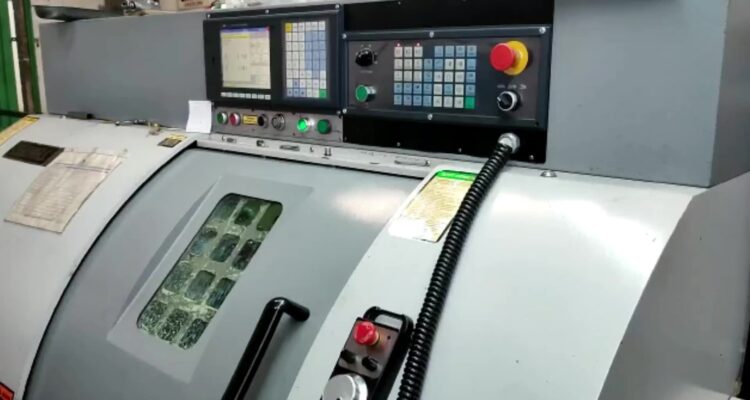
As the brain of a CNC machine, a CNC controller serves the machine by providing it with direction which tells it what it should be doing. For the CNC machine to operate optimally, it must receive instructions from other segments like the CNC program, which define the desired directions and dictate the movements of the machine accurately like speed, direction, positioning of tools and rotation for tasks associated with cutting, drilling, milling, and engraving. Without it, the machine loses stability and accuracy, causing serious setbacks and unnecessary raw material waste.
The CNC controller checks all movements starting from simple translations to elaborate multi-axis instructions. It integrates various components of the machinery, analyzes the information, and makes changes while the machine is functioning. If constant high quality output is desired from small scale shops or large industry production lines, sustaining controllers are a must.
The controller, as any machine piece, requires maintenance from time to time together with sufficient cooling and proactive heating and failure leak detection to handle the heating and breakdown issues. Proper maintenance of such systems improves their efficiency, downtimes, and overall equipment effectiveness.
Why CNC Controllers Are Important for CNC Machines
The operator and CNC machine is connected by a CNC controller. If such a controller fails due to overheating, it can cause the entire system to shut down, leading to wasted parts, time, and money. These processes can severely affect one’s business. Consequently, maintaining CNC controllers allows for the smooth operation of machines, thus aiding industries with tighter tolerances like aerospace, automotive, and medical devices.
The Common Causes of CNC Controller Overheating
There are several reasons why a CNC controller may overheat. Understanding these causes will help you prevent overheating and extend the lifespan of both your CNC machine and its controller.
Lack of Proper Ventilation and Airflow
Poor airflow or overheating ventilation are the common reasons for overheating a heating device. Because the controller generates heat while working, ventilation is required to cool the control unit. If the controller is located in a confined space like a small, enclosed room, overheating could become an issue. From a mathematical perspective, airflow and temperature exhibit a direct relationship in closed systems.
Inadequate Cooling Mechanisms
There are cooling systems like fans or air conditioners or even liquid cooling systems that are needed for trying to use functional CNC controllers. When these systems fail, overheating will occur. The more these fans run, the thicker the dirt becomes which affects the cooling ability of the air conditioner leading to overheating the controller.
Overloading the CNC Machine
When a CNC machine is used in overload conditions or beyond its capacity, more and more information and tasks must be handled by the controller which increases friction and consequently temperature. Such operations may result in overheating of the controller along with other parts which will likely lead to failures or breakdowns.
Faulty Electrical Components and Wiring
Short circuits or inaccurate power distribution may arise from electrical problems like damaged wires and broken parts within the CNC controller. These components can lead to overheating in the CNC controller from power spikes or excessive heating withering strategies. Regular inspections of the electric circuitry should be conducted to guarantee proper functioning of all connections as a precaution.
Environmental Factors and Temperature Fluctuations
The surrounding environment plays a significant role in the temperature regulation of a CNC machine. If the ambient temperature is too high, or if the CNC machine is placed in direct sunlight or near heat sources, the CNC controller will have a harder time maintaining a stable temperature. Temperature fluctuations can also impact the performance of cooling systems, exacerbating the overheating issue.
Problems and Risks of CNC Controller Overheating
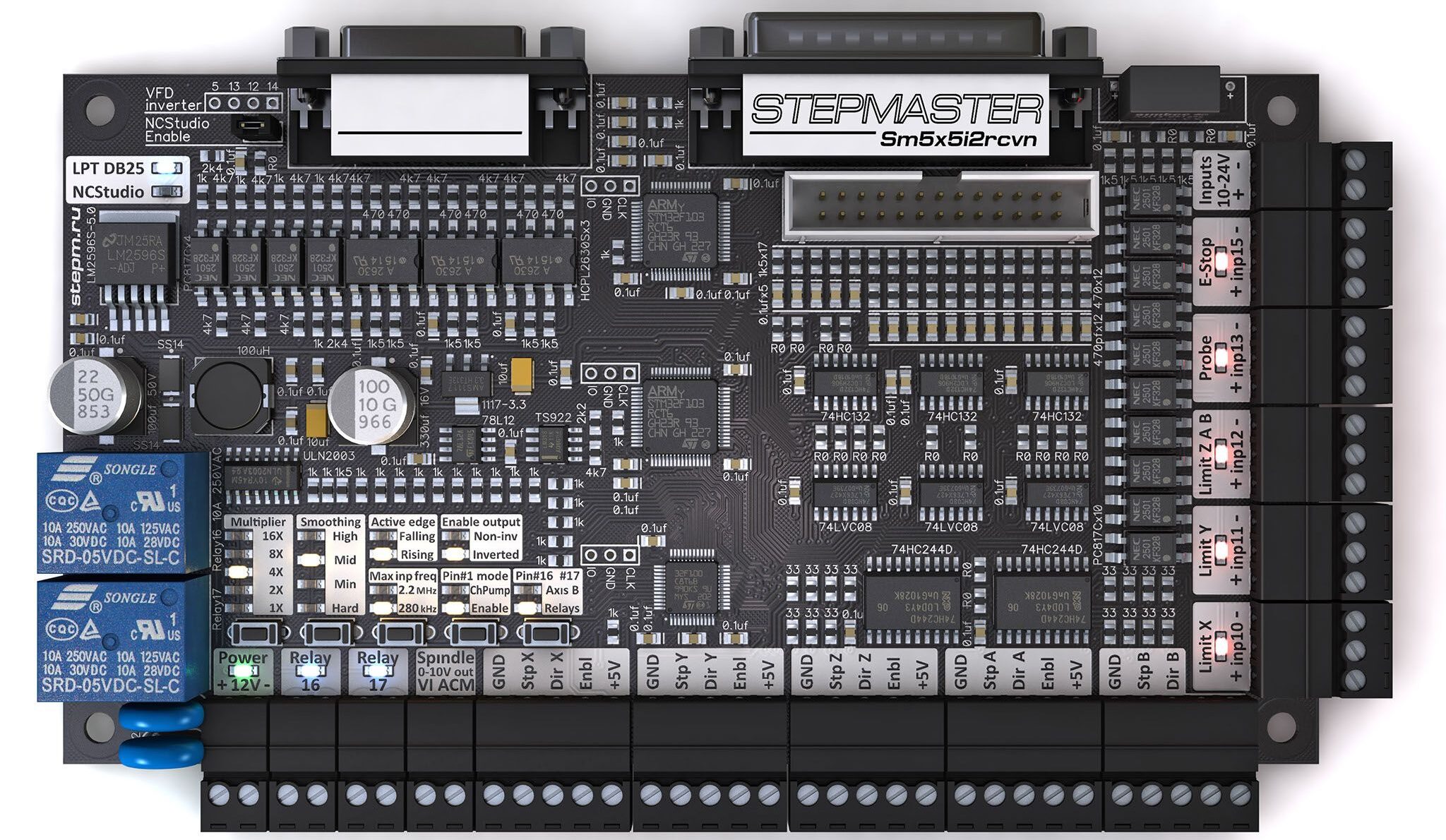
Overheating can cause a number of significant problems for both the CNC controller and the CNC machine itself.
Reduced Performance and Efficiency
An overheated CNC controller will not be able to perform at its optimal level, leading to slower processing speeds, delayed responses to commands, and reduced overall machine efficiency. This can result in increased cycle times, decreased productivity, and lower-quality output.
Accelerated Wear and Tear on Components
When the CNC controller overheats, it accelerates the wear and tear of internal components such as capacitors, semiconductors, and circuit boards. Over time, this can lead to permanent damage, requiring costly repairs or replacements.
Decreased Accuracy in CNC Machining
CNC machines rely on their controllers to execute highly accurate movements. An overheated controller may not be able to communicate precisely with the machine’s motors, resulting in inaccurate cuts, drills, or other operations. This lack of precision can lead to defective parts, which could be costly in industries requiring high levels of accuracy.
Increased Risk of Total System Failures
Prolonged overheating can cause the CNC controller to fail completely, rendering the entire CNC machine inoperable. This can lead to significant downtime, costly repairs, and lost productivity.
Impact on Overall CNC Machine Life
Continual overheating can shorten the lifespan of both the CNC controller and the CNC machine. Components that are consistently exposed to high temperatures tend to fail earlier than those that are properly maintained.
How to Identify an Overheating CNC Controller
Being able to identify the signs of an overheating CNC controller is essential for preventing serious damage.
Signs of Overheating (Unresponsive Controls, Shutdowns, Warning Lights)
The clear indicators of overheating are unresponsive controls or the unexpected halting of the workstation. There are many CNC controllers that have warning lights or sound alarms when the machine is too hot. Look at these closely to help avoid damaging the machine.
Abnormal Machine Behavior (Erratic Movements, Reduced Speed)
A clear sign of controller overheating is your CNC machine performing erratically or slower than expected. Overheating is an issue as it can hinder the CNC controller’s command sending capabilities function, which results in delays or unexpected movements from the machine.
Temperature Monitoring Devices and Their Role
Using a temperature monitoring unit can aid in reducing overheating for your CNC machine. These units monitor the temperature in real time and can notify you once the CNC controller reaches a set value. Thus enabling preventative measures from being taken before any issues arise.
Steps to Fix an Overheating CNC Controller
If your CNC controller is overheating, follow these steps to fix the issue:
Step 1: Power Off the CNC Machine and Safety Measures
Before attempting to fix any issues, power down the CNC machine and ensure that it is safe to work on. Follow proper safety procedures to avoid electrical shock or damage.
Step 2: Inspect the Machine’s Ventilation and Cooling Systems
Check the air vents, cooling fans, and liquid cooling systems for blockages or damage. Clean the fans and replace any clogged filters.Make sure the cooling systems are working correctly.
Step 3: Check Wiring, Fans, and Other Electrical Components
Inspect the wiring and electrical components of the CNC controller for signs of wear or damage. Ensure that everything is properly connected and functioning.
Step 4: Clean or Replace Damaged Cooling Parts
If you find any cooling components, such as fans or heat sinks, that are damaged or malfunctioning, replace them immediately to prevent further overheating.
Step 5: Test the CNC Controller and Machine Functionality
Once all issues have been addressed, power up the CNC machine and test the controller’s functionality to ensure that it operates correctly and that the overheating issue has been resolved.
PLC and CNC Controller Programming Services for Industrial Automation
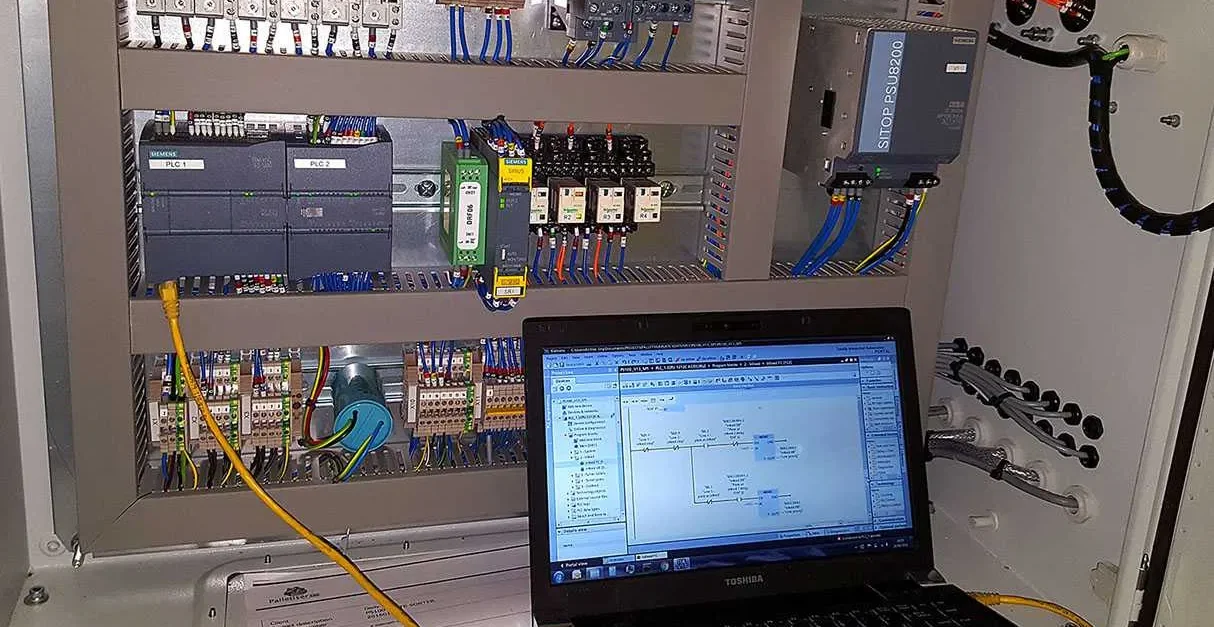
The services PLC Programming and CNC Controller Programming are important for modern automation because they help improve the productivity, accuracy, and dependability of a business. PLC Programming is designed to control specific industrial automation tasks, including conveyor belts, robotic arms and assembly lines. It features logic based control of motors, sensors, and actuators which enable the seamless flow of activities in manufacturing industries, power plants, and food factories.
The other branch of automation is CNC (Computer Numerical Control) Controller programming which specializes in machining processes like cutting, milling, and engraving. G-code and M-code help operate CNC machines that manufacture parts requiring exceptional precision for industries that deal with aerospace, automotive, and electronics. Automation in industries becomes intelligent when combining PLCs with CNC controllers, where machines work in tandem with minimal human interference. Some of the benefits are shorter cycle times, decreased idle time, higher quality, and cheaper expenses.
Qimam Affan offers programmable logic controllers and CNC controller services including programming, diagnostics, and interfacing for economic operational control of industrial processes. Whether it’s process automation, machine control or CNC programming, our answers will help your business operate effectively and efficiently.
Conclusion
Controlling the CNC machine’s temperature is necessary to improve its efficiency, avoid unscheduled downtime, and prolong the equipment’s life. A mixture of high workload capacity, poor cooling system performance, low ventilation, and dust build up can all contribute to overheating; therefore, it is important to maintain a conducive environment. At Qimam Affan, our profound professionals help in optimizing the functionality of the equipment by diagnosing and fixing the CNC controllers.
We also provide a plethora of services such as repairing AC/DC drives, replacing HMIs and display units, as well as repairing PLCs, PCBs, and Servo Motors Control and VFD Repair. We offer flexible payment plans for industrial automation services, allowing clients to purchase annual maintenance contracts that prevent faults, provide emergency support, and supply spare parts for smooth system operation. Qimam Affan focuses on providing services at a customer’s wish, when they need it for reasonable pricing, without compromising on the quality. Our skilled technicians attend to the issues swiftly, whether it is routine checkups, complex repairs, or full automation systems.
FAQs
- How can I prevent dust buildup in my CNC controller’s cooling fans?
Regularly clean your fans and vents with compressed air to remove dust and debris that may impede airflow and cooling. - Is it normal for the CNC controller to get warm during operation?
Yes, but if it becomes too hot, it indicates a cooling problem that needs attention. - Can ambient room temperature affect the CNC controller?
Yes, if the room temperature is too high, it can prevent the CNC controller from cooling properly, leading to overheating. - How often should I perform maintenance on my CNC controller?
It’s best to inspect and clean the CNC controller and cooling systems every few months, depending on usage. - Can I use an external cooling system for my CNC controller?
Yes, you can install an additional fan or liquid cooling system to help maintain the temperature, especially in high-use environments.


Pingback: CNC Machine: Why You Should Upgrade Your CNC Control Panel for Better Efficiency - Qimam Affan
Pingback: Why Choosing the Right CNC Can Transform Your Business
Pingback: PCB Board Repair Saudi Arabia: Common Issues & Expert Solution
Pingback: Trusted Industrial Electronic Repair Shop in Saudi Arabia
Pingback: Programmable Logic Controller (PLC) Repair Services In KSA.
Pingback: Why Qimamaffan is the Best Local Electric Company in Saudi Arabia
Pingback: Sustainability in Saudi Arabia’s Industrial Companies | Qimamaffan