
The Role of an Automation Engineer: An Introduction
An Automation Engineer is responsible for ensuring that industries employ technology efficiently to help with automating processes and reducing the level of required manual work. They develop, assemble, and enhance automated systems to ensure that machines and production lines operate efficiently with little to no human intervention.
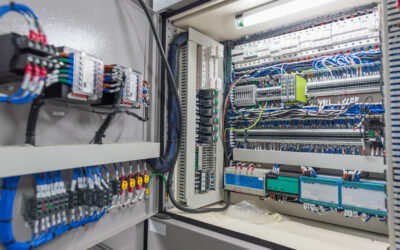
These specialists work with automation systems and control technologies such as PLC (Programmable Logic Controller) and HMI (Human-Machine Interaction). These systems make it possible for machines to operate in unison. The engineer’s mastery guarantees efficient functioning of the system’s components ensuring that processes are completed more rapidly, safely, and dependably.
The Automation Engineers’ focus on productivity means that by automating menial processes and enhancing workflows, there is less expenditure and superior quality achieved. Such engineers specialize in manufacturing, oil and gas, automotive, energy, logistics and other industries that depend on accuracy and thoroughness for great results.
In the era of fast change, these engineers are leading in Industry 4.0 by AI, IoT, and smart sensors technologies to build smarter factories. Their scope of work encompasses not only enhancement of current practices but instigation of the development of fully automated systems.
Understanding Industrial Automation
Industrial automation uses technology to operate machines and controls with little to no human intervention. It is helpful within factories, boilers, electrical systems, telephone systems, ships, aircraft, and so much more. The benefits of automation are speeding up processes, improving product quality, and reducing human error.
Automation increases efficiency and productivity, achieving more in less time. Automated systems can function 24/7 and do not require constant attention from human beings. This saves money and increases safety because machines are able to do most tasks more accurately and with little margin for error.
To sum everything up, industrial automation provides businesses with improved productivity, quality, and diminished human errors. It also makes operations more precise and effective. Automation is helping almost every industry – manufacturing, energy, transportation – to become faster, safer, and more dependable.
The Evolution of Industrial Automation
Over the years, industrial automation has gone through significant changes. Early automation was mechanical and required human intervention, but today, with PLC programming and HMI automation, systems are fully integrated, capable of running 24/7 without human oversight. This transition has made automation systems smarter, faster, and more efficient.
Key Components of Industrial Automation Systems
There are several key components involved in an industrial automation system:
- PLCs (Programmable Logic Controllers): These devices are essential for controlling machines and processes.
- HMIs (Human-Machine Interfaces): They allow operators to monitor and interact with automated systems.
- Sensors: Devices that collect data from machines and processes.
- Actuators: Devices that carry out the commands from automation systems.
These components work together to enhance efficiency, safety, and reliability.
Automation Engineer’s Key Responsibilities
An Automation Engineer is responsible for creating and maintaining automated systems. This includes designing automation systems, ensuring they function efficiently, and integrating them with existing infrastructure.
Designing and Implementing Automation Systems
The role of an Automation Engineer begins with understanding a company’s requirements and designing systems that will improve operations. This includes specifying the necessary components, like PLC programming and HMI systems, and ensuring these components integrate seamlessly into the existing structure.
Integrating PLC Programming and HMI Automation
There are many tasks related to Automation Engineer and one of them is PLC programing and HMI automation systems integration. This integration enables an operator to interact with a machine. The PLC will be the controller of the machines. The PLC is like a boss for the machines. It tells the machines what to do in accordance with its program and supervises the whole operation of machines and processes.
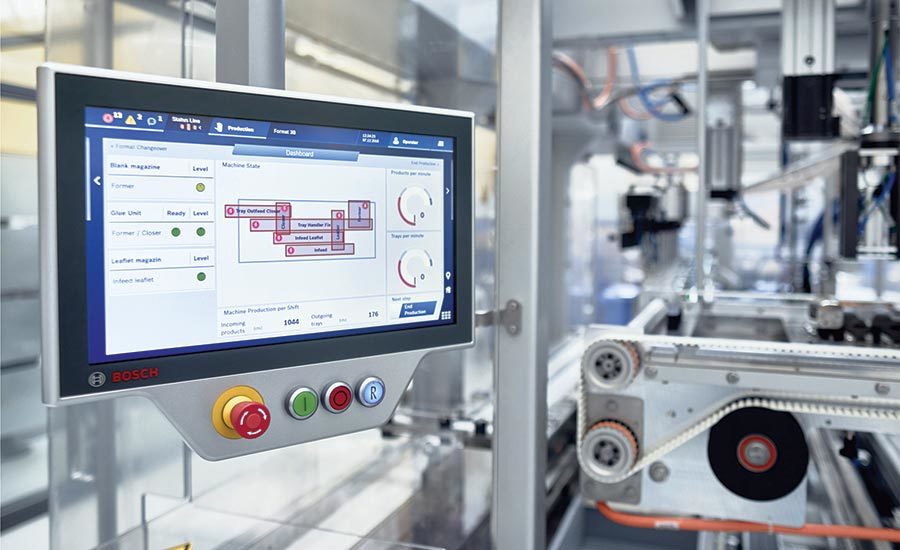
The human operator uses the HMI to see and monitor machine activities and to do control activities on the machinery. It shows the machine’s state, how well it’s working, and any problems noteworthy, so the operators have no difficulties comprehending it.
The connecting of PLC and HMI is done by Automation Engineer so that operators have the necessary skills and tools to maneuver and control processes and the machines can also operate effectively. This propels the entire system efficiency, safety, control, productivity and troubleshooting blitz improves.
Optimizing Business Process Automation
An important aspect of an Automation Engineer’s role is to improve business process automation. By automating repetitive tasks, engineers help businesses cut costs, increase productivity, and improve accuracy. Automation not only speeds up processes but also reduces the likelihood of human error, ensuring consistency and quality in operations.
PLC Programming: The Heart of Automation
Introduction to PLC (Programmable Logic Controller)
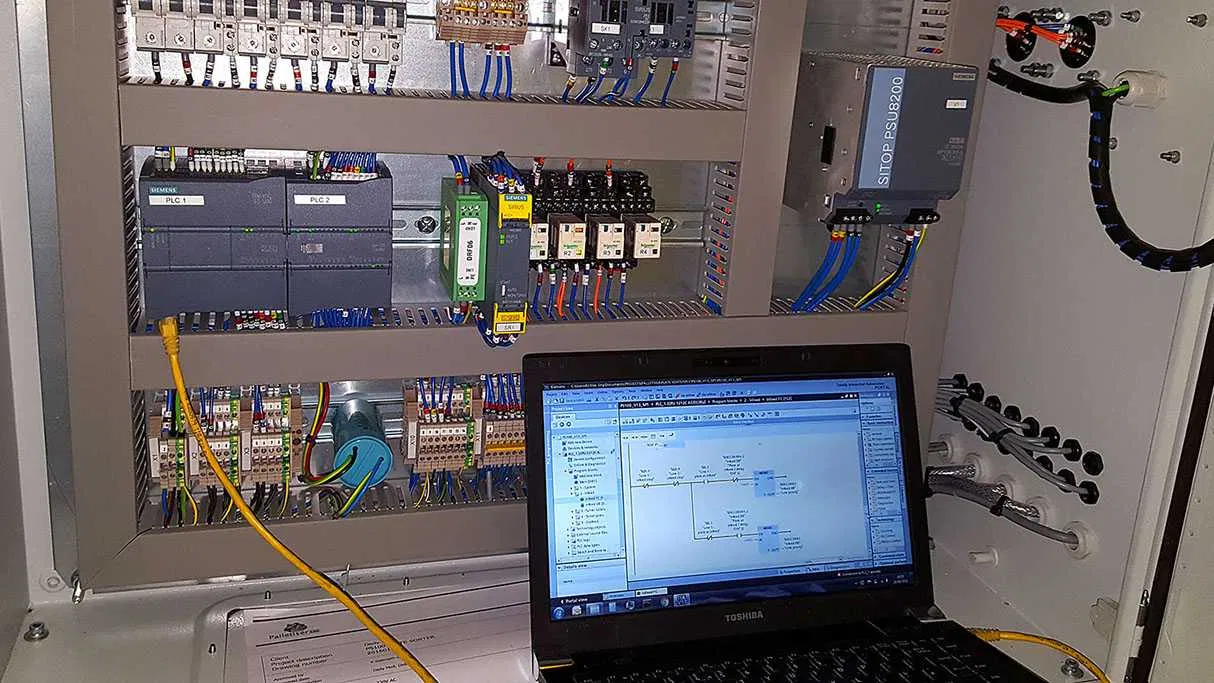
A PLC or Programmable Logic Controller is a type of computer meant for controlling machines and some industrial activities like assembly lines, robotic arms, and even automated systems. It can manage really complicated activities, can endure difficult conditions, and can operate non stop without brakes or faults.
PLC programming is the outline of instructions that the PLC uses to control the machines using multiple inputs and conditions. These instructions enable the PLC to monitor sensors, activate motors, adjust settings, and respond to different changes in real time.
With the advanced uses of technology, PLC enabled systems allows industries to integrate automation in their processes, enhance efficiency, minimize human errors, and seamlessly conduct business. PLCs find extensive application as well as automation, in manufacturing, in power plants, and other industries where accuracy and dependability are critical.
The Importance of PLC Programming in Automation
PLC programming is crucial in automation because it allows machines to perform tasks automatically. Without the right programming, automated systems would fail to operate as intended. Programmers create logic and control sequences that help machines operate efficiently, respond to changing conditions, and integrate with other systems.
Common PLC Programming Languages
There are several PLC programming languages used by automation engineers, including:
- Ladder Logic: The most common language for PLC programming, often used in manufacturing environments.
- Structured Text: A high-level programming language that is like traditional programming languages.
- Function Block Diagram: A graphical programming language used for controlling complex processes.
HMI Automation: Bridging the Gap Between Machines and Humans
What is HMI Automation?
HMI (Human-Machine Interface) automation simplifies how users interact with machines and serves as a link for interfacing operators and automated system processes for efficient monitoring and control.
Operators can access real-time information, review system functioning, and modify it if required. Most of these systems are based on touchscreen techniques and use simple pictograms and notifications to alert them to problems.
To enhance productivity, improve safety, and minimize errors, HMI automation is essential in simplifying many intricate processes. It is commonly used in manufacturing, energy, and transportation industries to guarantee operational reliability.
Key Features of HMI Systems
HMI systems provide key features that make interacting with automation systems easier:
- Touchscreens for simple navigation.
- Real-time data display for accurate monitoring.
- Alarms and notifications are used to alert operators if there are any problems or issues.
- Graphical representations that visualize complex processes and make them easier to understand.
The Role of Automation Companies in Riyadh
How Riyadh’s Automation Industry is Growing
Riyadh, the capital of Saudi Arabia, is becoming a hub for industrial automation. With the Kingdom’s focus on modernizing its infrastructure, automation companies in Riyadh are playing a significant role in implementing business process automation across industries like manufacturing, oil, and gas.
Business Process Automation: Improving Efficiency and Productivity
What is Business Process Automation?
Business process automation (BPA) involves using technology to automate repetitive and time-consuming tasks in an organization. BPA includes everything from handling customer service inquiries to managing data and paperwork.
Benefits of Implementing Business Process Automation
By adopting business process automation, companies experience:
- Improved productivity: Automation frees up employees from mundane tasks, allowing them to focus on more valuable activities.
- Cost savings: Reduces the need for manual labor and minimizes operational costs.
- Fewer errors: Automating tasks reduces human errors and improves the quality of work.
Business Process Automation Trends in Riyadh
The trend of adopting business process automation is accelerating in Riyadh, driven by technological advancements and a need for more efficient operations. Cloud-based solutions, AI-driven automation, and digital transformations are gaining popularity.
Conclusion: Why Automation Engineers are Essential for the Future of Industry
In this ever-evolving modern world, industries face numerous changes almost on a daily basis and as an automation engineer, you will be needed more than ever in order to improve the effectiveness and develop new concepts. The skills brought on by an engineer such as PLC programming, HMI automation, and business process automation ensures constant improvement of the quality of services provided to the industries. Busy controlling and performing business tasks, reliability engineers enable their companies to anticipate business changes.
At Qimam Affan, we offer several support services that help you achieve desired automation system results. If you have or suspect problems with your Programmable Logic Controllers, our PLC repair services mitigate all risks of inefficient operational flow due to device failure. If there are problems with your AC/DC motors, we also offer efficient and cost-effective repair services.
We also provide HMI Display Repair Services to make sure the communication interface devices between your machines and operators allows processes to be monitored and controlled with ease. Also, servo motor repair services guarantee correct functioning of the device and its high efficiency to achieve the desired results.
In case your system’s functionalities can be undermined with faulty PCBs, our professional PCB repair services help you sidestep the expensive cost of replacements. Further, we offer complete VFD services for effective utilization of controls in regulating the speed of electric motors and enhancing automation in energy efficient processes.
Our services guarantee that your Servo Motor control are well taken care of and fully functioning which allows smooth operations.
FAQs
1. What does an automation engineer do?
An automation engineer works on improving operational efficiency and productivity by designing, implementing, and maintaining automated systems to be used in industries.
2. What is PLC programming?
PLC programming is the process of providing instructions with the use of language to Program Logic Controllers (PLC) to automate machinery and processes used in industries.
3. What is the use of HMI Automation in the industry?
HMI Automation in the industry enables an operator to control the automated system through a user-friendly interface, with both data providing and control functionalities over industrial processes.
4. In what way do business process automation engineers enhance the processes?
Business process automation engineers enhance an organization’s operations and processes by automating repetitive functions, thus making it more efficient, and decreasing the likelihood of human error.
5. What are some of the anticipated changes in automation?
Improvements in AI, machine learning, and robotics will define the future of automation, making it smarter and more efficient.