Our automation world respects accuracy and effectiveness, so the role of CNC Operators is critical while they operate machines with precision such as CNC machines. There is a wide variety of Industrial Automation Technology which have sophisticated machines industries are aiming to speed up processes for. Their workloads are no longer as reliable as machines are now alleviating human errors so they can be more efficiently utilized.
Furthermore, skilled CNC professionals are necessary to reap all the benefits of such advanced machinery. Their expertise is vital in ensuring that the machines are fully and properly utilized. A CNC operator’s duty goes far beyond just overseeing a machine. It involves programming, starting up, and operating the entire machine. Operators need to tune and troubleshoot machines, ensuring flawless execution throughout every production step.
This blog will discuss the relevance of CNC Operators through the scope of Industrial Automation all CNC Programming Precision and Efficiency guiding high productivity as well as complex machinery control. Understanding the level of responsibility that these operators bear reveals the contribution they make in the success of automated manufacturing processes.
What Is a CNC Operator?
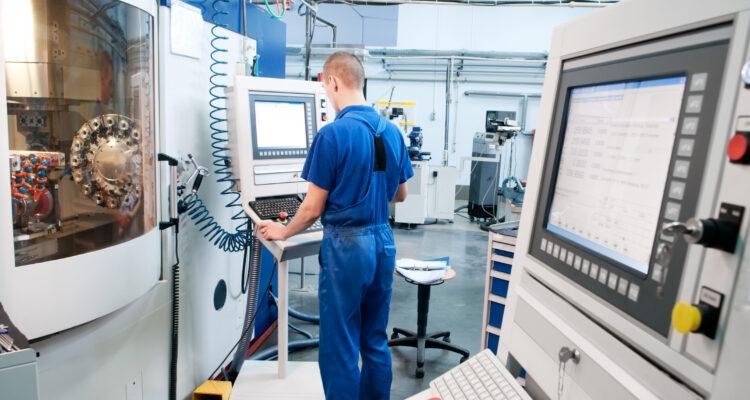
CNC operators are caretakers of CNC machines that cut, drill, turn and mill. These machines are commonplace in many industries. The work of operational CNC machines is done with expert level precision and they perform best when operated by skilled programmers.
CNC operators are responsible for setting up CNC production programs, running diagnostics on CNC machines, and conducting parts production skills checks. Each CNC operation produced must meet defined accuracy and efficiency standards, meaning speed, tooling, and feed rates have to be modified, checked, and calibrated to ensure no CNC module production disturbances happen.
Servicing and repairing machines is part of the CNC Operator’s responsibility. To prevent unscheduled downtimes, CNC machines must be checked and motioned on a standby state on a regular period. During this time, damaged or worn parts are replaced, updated or serviced enabling reliable multi-day production cycles.
CNC operators are key to ensuring optimal performance of manufacturing processes. Their programming skills, precise management of the machine, and waste scarcity boast efficiency and productivity at the production of high-standard quality parts.
The Role of CNC Operators in Industrial Automation
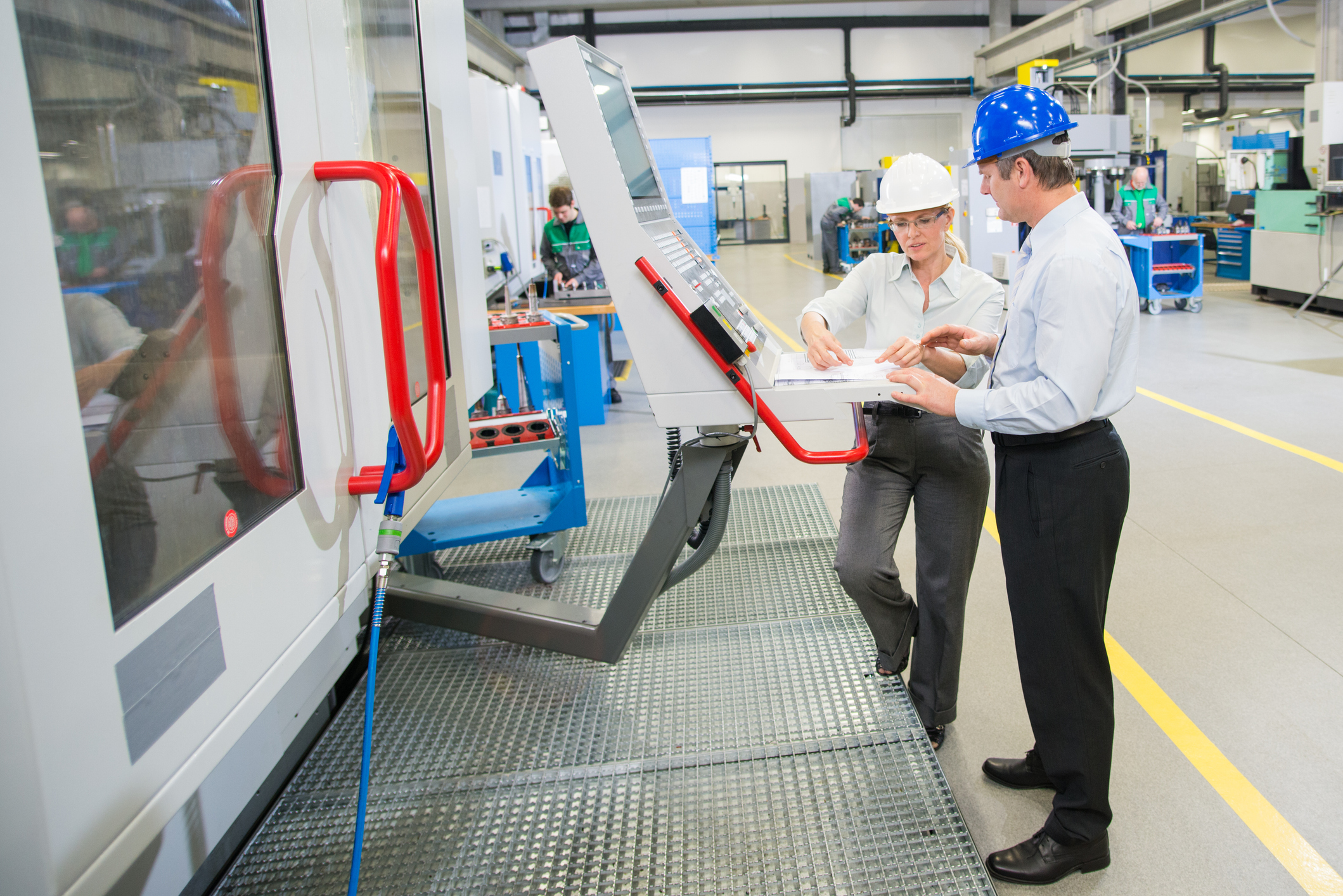
CNC machines are an example of technological advancement in industrial automation. Unlike manual CNC machines, these devices can work around the clock, making mass production very efficient. While these machines can operate with little human input, they still require a degree of monitoring that’s best left to a CNC operator.
It is the responsibility of the operator to prepare the machine by entering the correct programming sequences. They also need to ensure smooth operation during the production stages. This demands that the operator adjusts settings and checks that the machine is functioning properly. It goes without saying that every part has to be made in accordance with particular industry standards. In case something goes wrong, the operator has to step in and solve the issue immediately, whether it’s a bug in the programming, or a problem with the machine itself.
Industrial automation reaches optimal levels of productivity with the proper supervision of a CNC operator. Maintaining a balance between popper machine operation and CNC operator supervision minimizes production waste while maximizing machine output. Anything less than that will lead to mistakes, slowed production, costly machine failures, and can jeopardize the entire manufacturing process.
Precision and Efficiency Through CNC Machines
The use of CNC machines in industrial automation is extremely helpful because the machines produce parts with great accuracy while needing very little human input. Servo motors enable restricted and sharp movements so that every part produced will comply with rigid tolerance thresholds. For instance, a CNC machine can manufacture components used in the aerospace or medical industry because the machinery is so precise that the calculations won’t go even a dime off.
Nevertheless, there needs to be management of some sort for these machines to work precisely. The CNC operator is of utmost importance because they make sure the machine functions as planned. The operator looks after the movements, makes some setting changes, and controls the end results so they know the parts produced are as they should be. The CNC operator is extremely vital because if the operator is not present, the output precision of the machine will be ruined, leading to broken parts and unnecessary expenditure.
CNC Programming: The Backbone of CNC Machine Functionality
CNC programming defines the work done by machines. It is the creation of work instructions that the machine will follow to manufacture parts. The CNC operator writes, modifies, and enacts programs within a design blueprint so that the design is correctly followed. Usually, operators work with engineers and designers to understand each job’s requirements and convert them into CNC programming logic.
This type of programming requires specific knowledge about the machine’s function and the capabilities of the part that is being produced. Largely, the operator ensures that CNC machines are performing optimally by giving them the correct programs to run, modifying them when necessary, and fine-tuning the machine operations. Because of the intricacy involved in CNC programming, having a skilled operator is crucial to achieve accurate machine programming and ensure seamless operations.
The Role of HMI (Human-Machine Interface) in CNC Operations
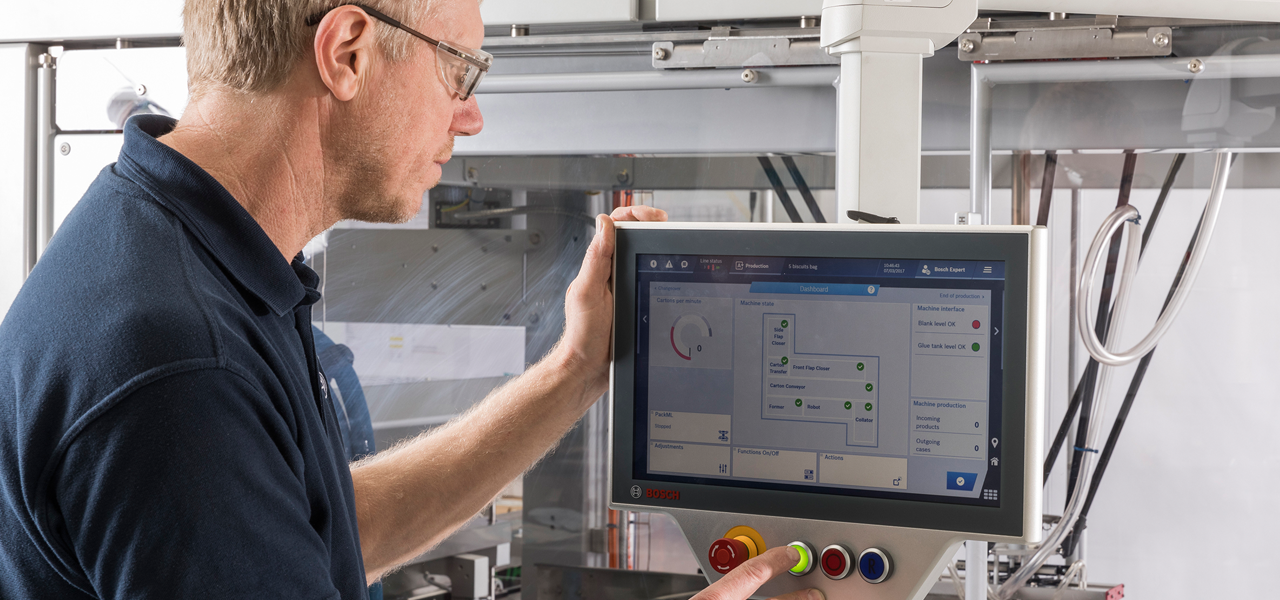
The functions of the CNC machines are becoming more automated which allows for ease of access at a more basic level. This is attributed to the Human-Machine Interface (HMI) technology which enables real-time observation on a graphical interface of the machine’s performance and offers critical data essential for the operation of the machine. The operator’s interface can give visual feedback on the current program being run, the equipment’s level of utilization, and any partial or complete faults of the equipment towards the operator’s activity.
In addition, a CNC operator is further enabled with Human Machine Interface HMI technology to implement changes on the CNC programming structure, change the levels of parameters in the machine, and even fix any technical errors identified at a glance. This form of automation aids in reducing risks of mistakes and enhances efficiency in diagnosing challenges faced. For instance, an operator can modify the steps taken to implement corrections before halting the process of production when a machine goes into relief mode. The aid of HMI facilitates the user in communication directly with the machine which increases productivity in industries that focus on automating CNC machines.
The Importance of CNC Operator in Industrial Automation
A CNC operator’s responsibility is not only to oversee and fine-tune the machine; it also incorporates the production of quality parts in a reliable and lean manner. As an industrial operator in the world of automation where speed, accuracy, and economical considerations come into play CNC operators are vital. They prevent machines from operating at suboptimal outputs by diagnosing problems before they become serious, and ensuring that the quality is stable throughout the process.
Their expertise ensures that machines remain as productive and dependable as possible with minimal downtime and wasted resources. Without CNC Operator jobs, industrial automation would lose a significant amount of productivity and quality because there would be no one to prevent machines from falling into mismanagement, chaos, and unnecessary expenses.
Key Skills and Expertise of a CNC Operator
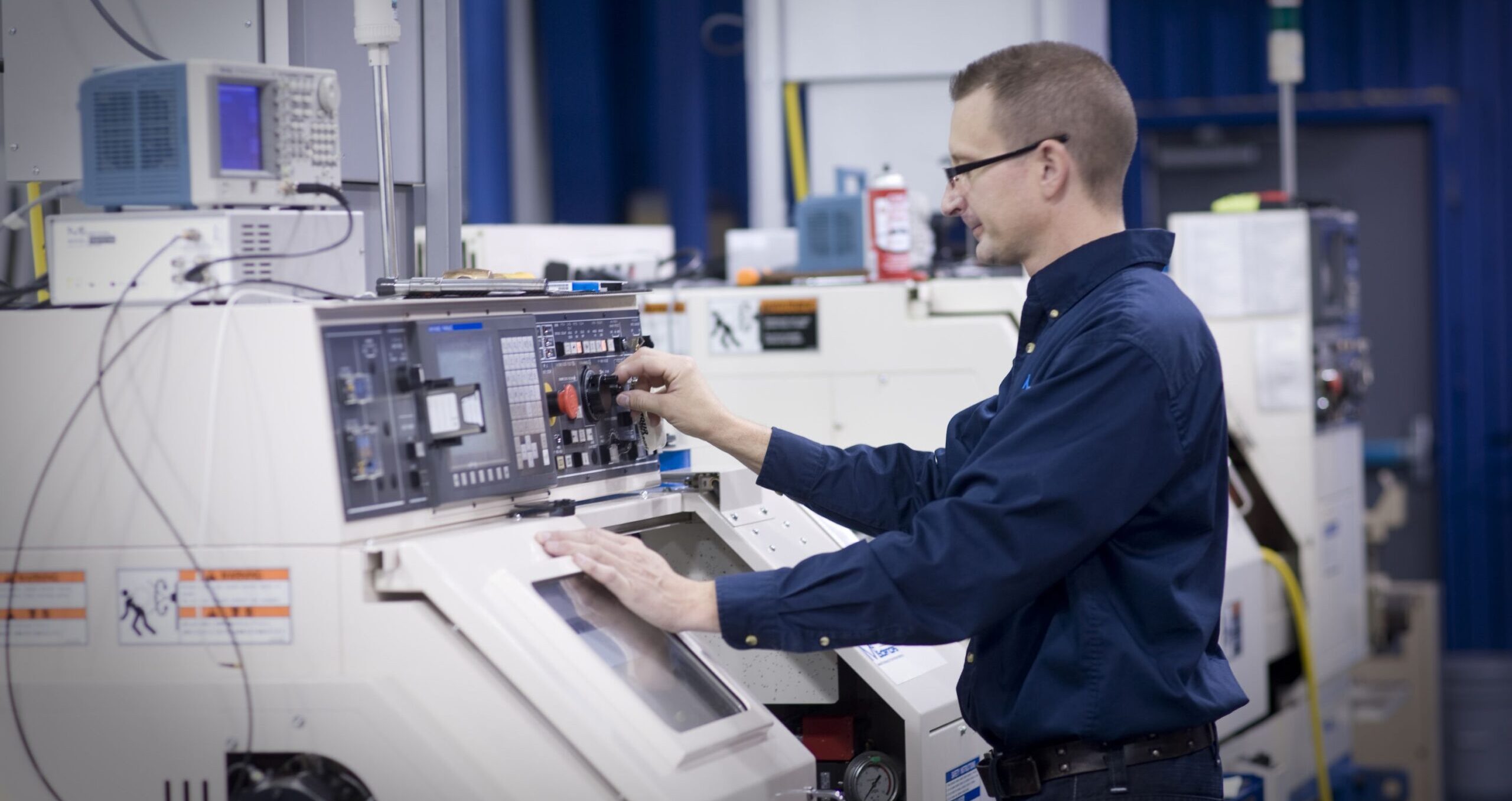
To excel as a CNC operator, an individual needs a range of skills and expertise. These include:
- Proficiency in CNC Programming: A deep understanding of how to write and edit CNC programming is crucial for ensuring that the machine produces the correct parts.
- Technical Knowledge of CNC Machines: CNC operators need to understand the functions and restrictions of various machines, including how to work with servo motors, Human Machine Interfaces (HMI), and other advanced technologies.
- Problem-Solving Skills: CNC operators must be able to identify issues, troubleshoot problems, and make quick adjustments to avoid production delays.
- Attention to Detail: Precision is essential in industrial automation, and operators must have an eye for detail to ensure that every part is manufactured according to exact specifications.
- Safety Awareness: Since machines are powerful and can be hazardous if not properly maintained, operators must follow strict safety procedures to prevent accidents.
Why Choose QimamAffan in Riyadh
Having a skilled CNC operator is very useful in industrial automation which we understand at Qimamaffan. All our operators work very hard so that the CNC machine operates smoothly with precision and accuracy at each stage of production. There is no unnecessary downtime as each of our operators expertly programs and manages the machines in such a way that productivity can be sustained all the time. During the operations, each one of the workers is monitored which ensures that the required standards are achieved which helps us strive for no waste and high quality.
In addition to offering round the clock assurance of smooth machine operations, at Qimamaffan we provide other services such as PLC programming, VFD, control panels and even PCB circuit board repair. These components enhance CNC functionalities and at Qimamaffan we ensure that all our clients’ automated industrial systems are free from disruptive downtimes by optimizing and maintaining these crucial components.
Conclusion
In conclusion, the role of the CNC operator is essential in industrial automation. They ensure that CNC machines run smoothly, produce high-quality parts, and meet the needs of modern manufacturing. With their skills in CNC programming, machine operation, and troubleshooting, CNC operators help maximize the potential of the machines, ensuring a smooth and productive manufacturing process. By minimizing downtime, fixing issues quickly, and maintaining precision, they play a key role in efficient production.
At Qimamaffan, we understand how important CNC operators are to the success of automated manufacturing. As technology continues to advance, the need for skilled operators will only grow, making them an essential part of the future of manufacturing.
If you need expert CNC services or assistance with your automation systems, feel free to contact us. Our team is ready to help keep your production running smoothly.
FAQs
- What does a CNC operator do?
A CNC operator handles the setup and operation of CNC machines, making sure they work properly while managing the CNC programming to manufacture precise components. - How does CNC programming affect production?
CNC programming provides the instructions that control the machine’s movements, ensuring that it produces parts with the desired specifications and precision. - What role does HMI play in CNC operations?
HMI (Human-Machine Interface) allows CNC operators to interact with the machine, input or modify programs, monitor performance, and troubleshoot issues efficiently. - Why is a CNC operator essential in industrial automation?
Without a skilled CNC operator, CNC machines cannot function to their full potential, which would result in errors, inefficiencies, and increased production costs. - What skills does a CNC operator need?
A CNC operator needs expertise in CNC programming, machine operation, troubleshooting, attention to detail, and safety awareness to ensure high-quality and efficient production.