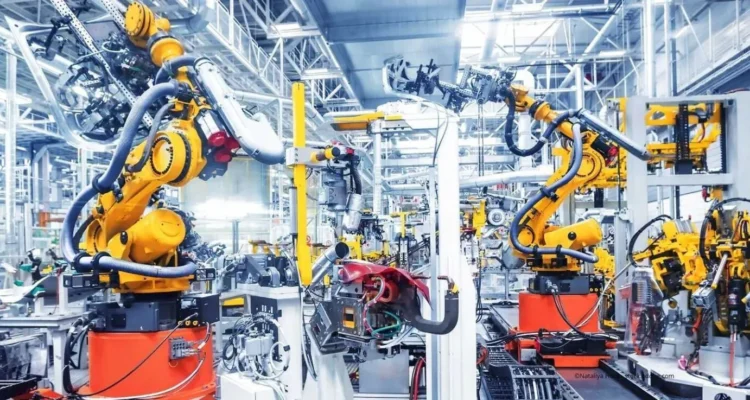
Process automation has transformed the manufacturing industry, allowing companies to foster precision and consistency when manufacturing products. Automation forging the future not only do industries look for ways to both raise the standard and productivity, automation provides the perfect answer to these needs. Manufacturers can leverage industrial automation services, PLC programming, business process automation and control panel integration to streamline its operations, minimize human errors and assure every product meets the stringent quality. This article will discuss the ways industrial automation significantly impacts the quality control and consistency in manufacturing facilities.
What is Industrial Automation?
At its foundation, industrial automation is a skill wherein a control system is used to handle processes, equipment and machinery within an industrial setting. Automation does not rely on primitive manual laborious practices, but rather introduces automated mechanisms, programming with PLC, sensors and robots to achieve the perfect task. This is possible in a range of industries, from manufacturing, packing, and assembly lines, through to the most complicated tasks such as chemical manufacturing.
Automation aims to minimize human intervention, create efficiency and keep the entire production process in proper order. By taking over repetitive tasks, manufacturers are able to keep human errors to a minimum, increase production rates, and overall see an improvement in quality control and uniformity throughout the production line.
How Automation Improves Quality Control
Quality control means products are fit for purpose and free from faults. Manual processes are prone to human error and can be inconsistent. Risk is minimized by industrial automation services , which rely on PLC programming, control panels, and sensors to conduct precise, uniform inspections. Automated mechanisms check each and every product for size, weight, and surface quality, and production is stopped if any errors are encountered at this stage, preventing poor products from being shipped. Automation offers instant feedback and immediate corrections while ensuring quality is consistent at all levels.
Enhancing Consistency in Production
Repeatability of production refers to the capacity to consistently manufacture the same high quality products. Automation takes care of that by employing machines and devices that work only on pre-set commands, producing minimal scopes for discrepancies. Contrasting with human systems, the automatic process is standardized and does not have the risk of fluctuating quality. PLC programming, robotics and control panels ensure that automated systems run practically with no errors. Such systems are not affected by human related factors like fatigue or distractions and so provide a stable, repeatable production line. Each step of production, from assembly to packaging, is handled with the same immaculate care.
How to Improve This Aspect:
- Improve PLC Programming: Frequent improvements and the perfecting of PLC programming will allow automated lines to stay flexible to real-time production while still maintaining precision.
- Adoption of Predictive Analytics: By using advanced predictive analytics tools, manufacturers can anticipate machine failures through the head-office dashboard, allowing them to address potential downtime and adjust processes proactively, ensuring uninterrupted production even in challenging external conditions.
Streamlining Production with Automation Services
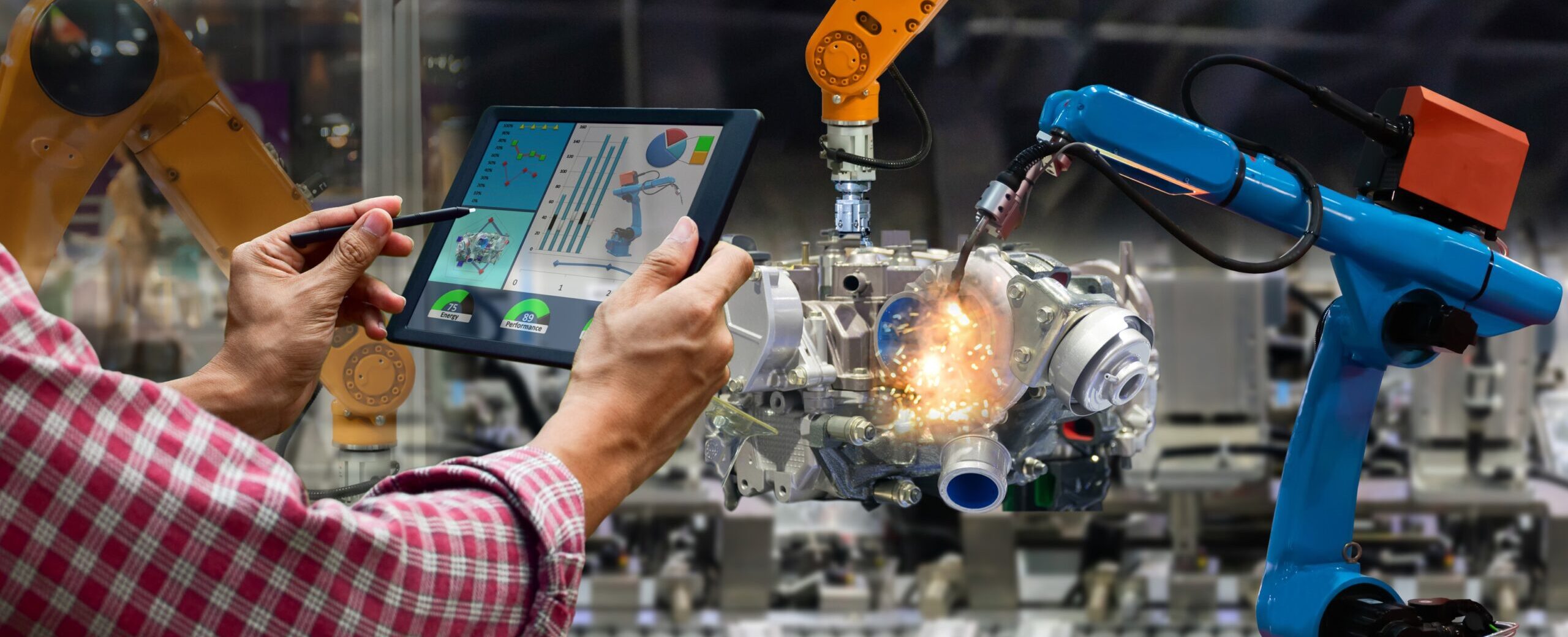
Inclusion of automation services—that is, robots and automatic assembly lines—can contribute to consistency and efficiency in production. Automation services make tasks easy that are otherwise cumbersome and repetitive. Robotic arms on the other hand can complete tasks like welding, painting or assembling quickly and with greater precision, enhancing both speed of production and quality.
Control system and programming is important to synchronize systems, make sure that each machine on the production line coordinates with each other. Such integration can greatly reduce error risks and/or inconsistency, due to the possibility that different machines are not in agreement. Further, automation data capture systems take real-time production performance data, giving manufacturers insights into efficiency and quality. This information is key to detecting problems early and responding more rapidly and with less disruption.
How to Improve This Aspect:
- Employ Robotics for Repetitive Jobs: By substituting robots for humans for repetitive, dangerous tasks, you will also enhance the pace and quality of the construction process.
- Having Advanced Monitoring Systems: Employing AI-based monitoring mechanisms to collect and analyze data can help optimize operations and troubleshoot irregularities before machine production can be affected.
Importance of Industrial Automation
Industrial automation is now ubiquitous in the manufacture of everything, from textiles to vehicles. Here’s how come it is so crucial:
- Higher Productivity: Automation speeds up production, cutting out time required to do things. Machines will not move or take time off, therefore higher throughput and shorter turn cycles which is key to being competitive in the market.
- Enhanced Quality: The meticulous precision of automated tasks minimizes human errors. This translates into better quality products with less flaws, which is essential for brand reputation and customer satisfaction.
- Cost Reductions: Implementation costs may be high, but once installed industrial automation minimizes labor costs and operational costs. It reduces waste of materials, energy and production “downtime,” and serves to reduce costs and increase profit.
- Better Safety: When human laborers don’t have to work in unsafe conditions, their lives are at less risk. Robots can perform dangerous or high-temperature tasks that use caution with hazardous materials, equipment and minimize the possibility of workplace hazards.
- Scalability and Flexibility: Automated processes are highly scalable and flexible. Production may readily be varied as demand varies without extra Labor being used. Moreover, machines can be reprogrammed for other jobs giving the system the flexibility and longevity.
- Data-Drive Insights: Automation solutions help companies to obtain insights into production performance as automation systems can collect and analyze data in real-time. This information can be used to pinpoint inefficiency, fine-tune procedures and act on knowledge for further advancement.
Business Process Automation(BPA) Across the Operations for Consistency

Industrial automation is concerned with the production line, but business process automation (BPA) takes it a step further, promising enterprise-wide consistency in such areas as supply chain management, stock control, and reporting. Automation engineers design and configure BPA systems to automate tasks such as order processing, data entry and reporting. This cuts down on human error and ensures everything is working toward the production goal.
The ability to automate procedures like stock handling ensures that materials are on hand when needed, keeping production lines moving. Automation engineers help ensure that these systems work together smoothly, connecting inventory with production schedules. Automated reporting systems present production data in real time as well, which can result in better decision making for businesses. Automation of work and overall business processes: Since manual work can be extremely slow, it’s often a better idea to use BPM to reduce the need for manual work or processes or transactions, and instead connect them all together.
How to Improve This Aspect:
- Integrate AI for Predictive Analytics: Predictive analytics can be employed to predict the inventory needs more precisely and always prevent a product line from stalling (either because of a lack of materials, or because it’s overstocked).
- Improve ERP: Companies can upgrade ERP for greater efficiency covering automated operations from procurement to financial reporting with alignment of all business functions and production lines.
Automation Testing: Ensuring Continuous Improvement
Automation software has to be tested thoroughly for automation before it’s deployed and then at regular intervals during its care and feeding. You test your stuff to the point of failure, whether PLCs, control panels or other automation equipment, and learn where the bounds of performance limitation are. This serves as an investigation model to guarantee the reliability and efficiency of automation systems.
A system integration test ensures that all robotic components, robot bodies, sensors, and PLCs work together smoothly and efficiently. Performance testing assures applications to work under different loads and conditions, without losing quality or speeding. Regular automated testing also keeps your systems current with the newest technology, which can prevent problems caused by outdated parts or software products.
How to Improve This Aspect:
Periodic System Review: Periodic review of automatic systems are essential for identifying vulnerabilities before they have a chance to halt production.
Real Time Data Analytics: Real time analytics monitor system performance constantly and detects the issue proactively minimizing down time.
The Role of Industrial Electronic Repair Services in Maintaining Automation Systems
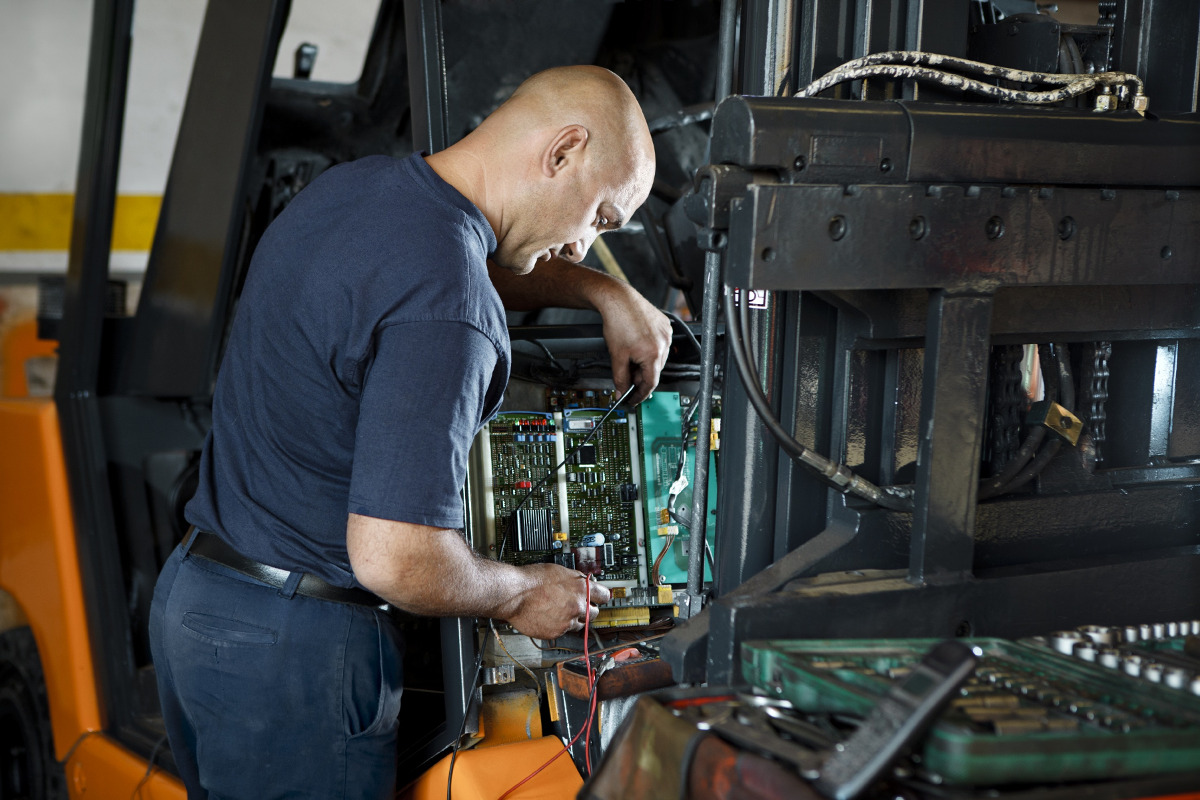
The Significance of Industrial Electronic Repair Services in Automation You may be quite curious as to what we mean when we say an established industrial electronics repair service is a major player in maintaining and improving the quality of life.
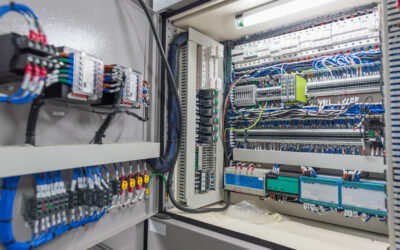
As dependable as they are, just like any other automation program, especially one that comes with some serious electronics such as PLCs and control panels, they also require maintenance and occasional repairs from time to time. Industrial electronics repair services in KSA are very important in keeping these machines running and reducing downtime. These services are able to maintain the virtual instruments of automation systems in order to provide optimal performance and to solve the problems arising from equipment failure, software malfunction, sensor failure, etc.
Regular maintenance can prevent catastrophic system failures resulting in expensive downtimes and lost production. It also increases the longevity of automation equipment to maintain investments in advanced automation systems. From repairing control panels to updating PLC programming to troubleshooting malfunctioning sensors, industrial repair services are crucial for maintaining the health of production lines.
Why Qimamaffan For Industrial Automation Solutions?
At Qimamaffan we are committed to form by giving you the very best in Industrial automation solutions that help you operate your production lines efficiently and effectively, so you can produce quality products consistently every time. Our knowledge of PLC programming, company management processes and control panel integration will make sure that every product we propose is designed exclusively for your company needs. Focusing on precision, effectiveness and real time data monitoring, we help companies eliminate human mistakes, minimize production downtime and improve product quality. With Qimamaffan you have a reliable partner with commitment to provide scalable, flexible and cost-effective automation solutions, everything you need to succeed in the longer term. Let us assist you in elevating your manufacturing process with dependable, high-performance automation.
Conclusion
In summary, industrial automation (it’s cousin BPA – business process automation) are critical components in improving efficiency, consistency and quality in parts and within business processes. Automation systems make sure that businesses can actually hit those production goals, while still upholding levels of quality, by taking the human error out, streamlining processes and giving real-time visibility. The automation engineer’s experience in the design and installation of these systems is critical in order to achieve effective integration and performance. At Qimamaffan we encourage the use of state of the art automation systems to ensure that businesses remain competitive and cut down on operation cost. The successful embracing of automation technologies will be a key enabler for continuous improvement, producing superior products consistently, and to be successful, long term.


Pingback: Programmable Logic Controller (PLC) Repair Services In KSA.