
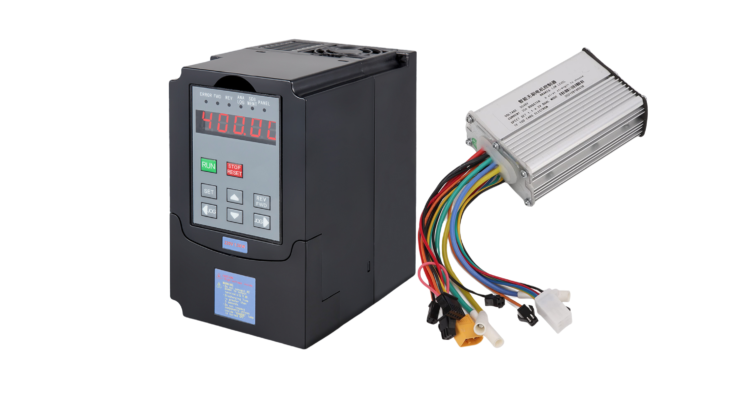
The modern industrial landscape evolves rapidly, making energy efficiency, automation, and operational flexibility more crucial than ever. In an effort to streamline processes, selecting a motor control system requires a great deal of consideration. This selection is often narrowed down to a discussion surrounding Variable Frequency Drives (VFDs) or traditional motor controllers, which are by far the most talked about technologies. VFDs and motor controllers both serve the primary function of electric motor control; however their functionality, value, and use cases are quite different. Differentiating these concepts thoroughly enables a company to reap the benefits of improved energy efficiency, maintenance, and system performance.
What is a VFD?
A Variable Frequency Drive (VFD) is a modern motor controller that regulates the frequency and voltage supplied to an electric motor, allowing precise control over its speed and torque. Unlike simple motor controllers used in industry which work with VFD and keep motors running at constant speed, VFD enables monitoring and adjusting motor speeds to meet the operational requirements in real-time. The flexibility to change motor speeds leads to heightened efficiency and improvements in performance in the systems where load or demand is not constant.
How Do VFDs Work?
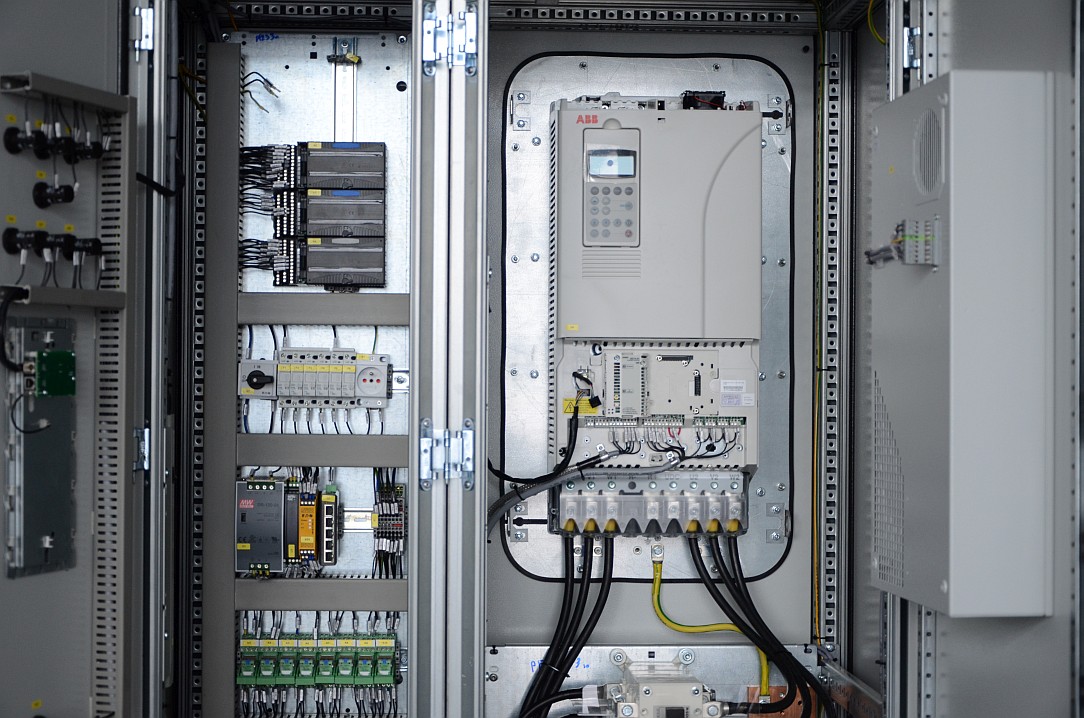
A VFD operates through three main steps:
AC to DC Conversion: The VFD first converts incoming Alternating Current (AC) power into Direct Current (DC) using a rectifier.
DC to AC Conversion: This DC is then converted back into AC with a varying frequency through an inverter, enabling control over the motor’s speed.
Variable Frequency Control: A motor can be operated at different speeds based on specific operational requirements when the frequency and voltage is altered; this is made possible by a VFD. The motor will change its speed and torque following the changes in demand presented by the system it is powering.
Compared to other motor controllers, VFDs stand out because of their capability to control the speed of a motor in advanced degrees. Other motor controllers usually lock the motor to a constant speed.
Benefits of VFDs
Energy Efficiency: One of the most important benefits of VFDs is the capability of saving energy. VFDs are designed to adjust the motor speed in response to the load demand, preventing excess energy use and ensuring that the motor operates efficiently without wasting power. As an example, in pumping and fan applications where the load is variable, VFDs prevent motors from running at full capacity when demand is low.
Improved Control: VFDs provide accurate and effortless control over motor speed, torque, and direction. This type of adjustability is fundamental in applying processes like manufacturing, conveyor belt operation, and HVAC systems. Controlling motors with such precision guarantees operational efficacy and improved quality-control standards.
Reduced Wear and Tear: In comparison with conventional methods that instantly start the motors at maximum speeds, VFD’s allow for controlled gradual starting and stopping. This lessens the mechanical damage to the motor and other related parts thereby increasing the service life and minimizing the cost of maintenance incurred.
Operational Flexibility: VFDs allow motors to operate at varying speeds, making them suitable for applications where the motor’s speed needs to be adjusted frequently. They are commonly used in systems such as HVAC units, pumps, and conveyor belts, where the motor speed must change based on the load or system requirements.
What is a Traditional Motor Controller?
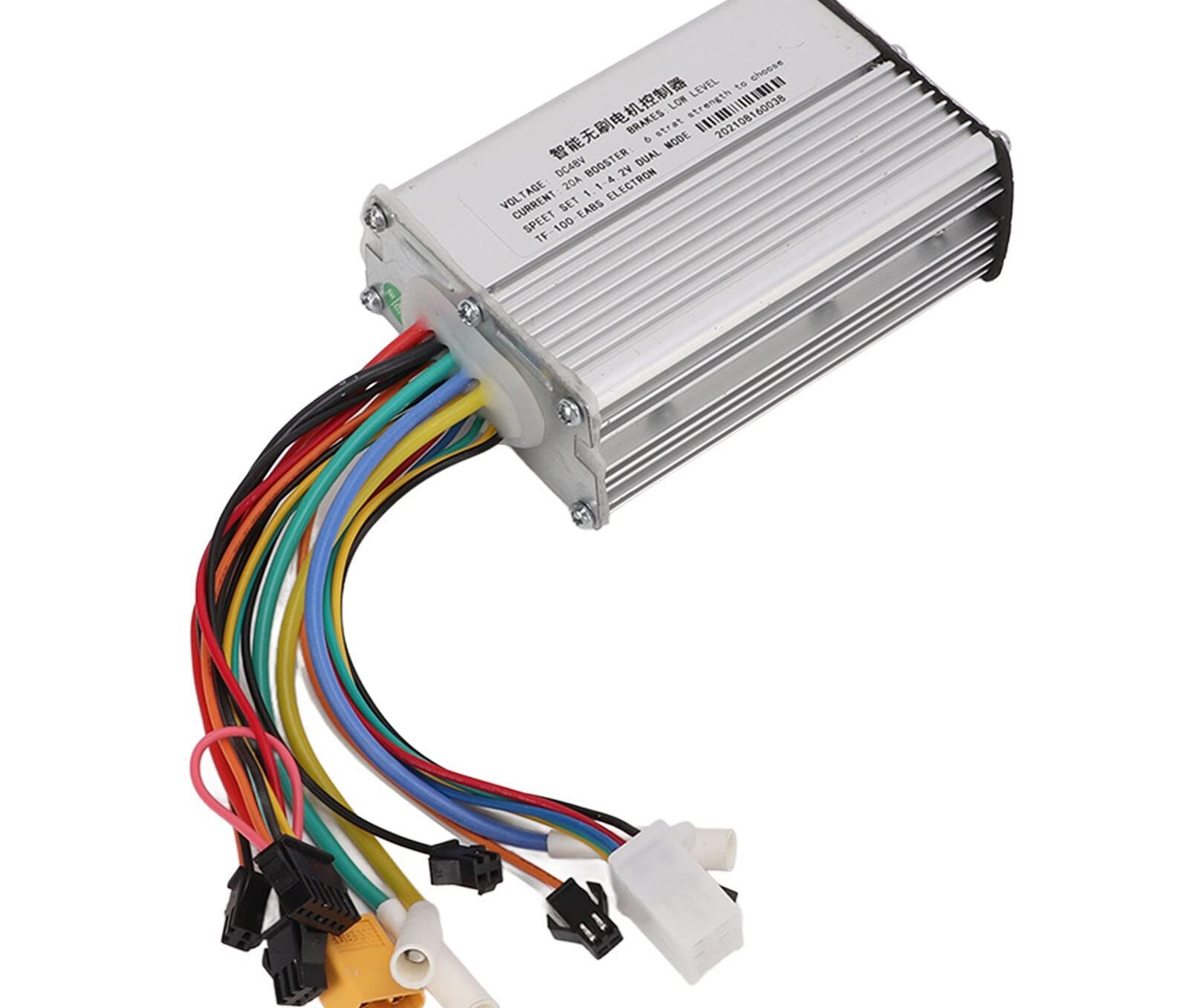
A conventional motor controller functions by controlling motors at a preset speed using relays, contactors, and switches. Such controllers are useful for applications where ease of automation is more important than any adjustment of motor speed. These systems do not take the load requirements into consideration at any point during the operation which makes their utility limited. Power efficiency and other resources are wasted, controlling systems of these types are rather unproductive when motor speeds change depending on the load.
Limitations of Traditional Motor Controllers
Fixed Speed Operation: Traditional motor controllers run motors at a fixed speed, which can be inefficient if the motor doesn’t always require full power. For example, in applications like pumping water or moving air, the load often fluctuates, and a fixed-speed motor wastes energy.
Higher Energy Consumption: Since traditional controllers run motors at full speed, they waste energy even when the motor doesn’t need to operate at its maximum capacity. This inefficiency contributes to higher energy costs over time.
Increased Wear and Tear: Traditional controllers often cause motors to start abruptly at full speed, which increases the mechanical stress on the motor and other components. This leads to more frequent maintenance and repair needs, driving up operational costs.
Key Differences Between VFDs and Traditional Motor Controllers
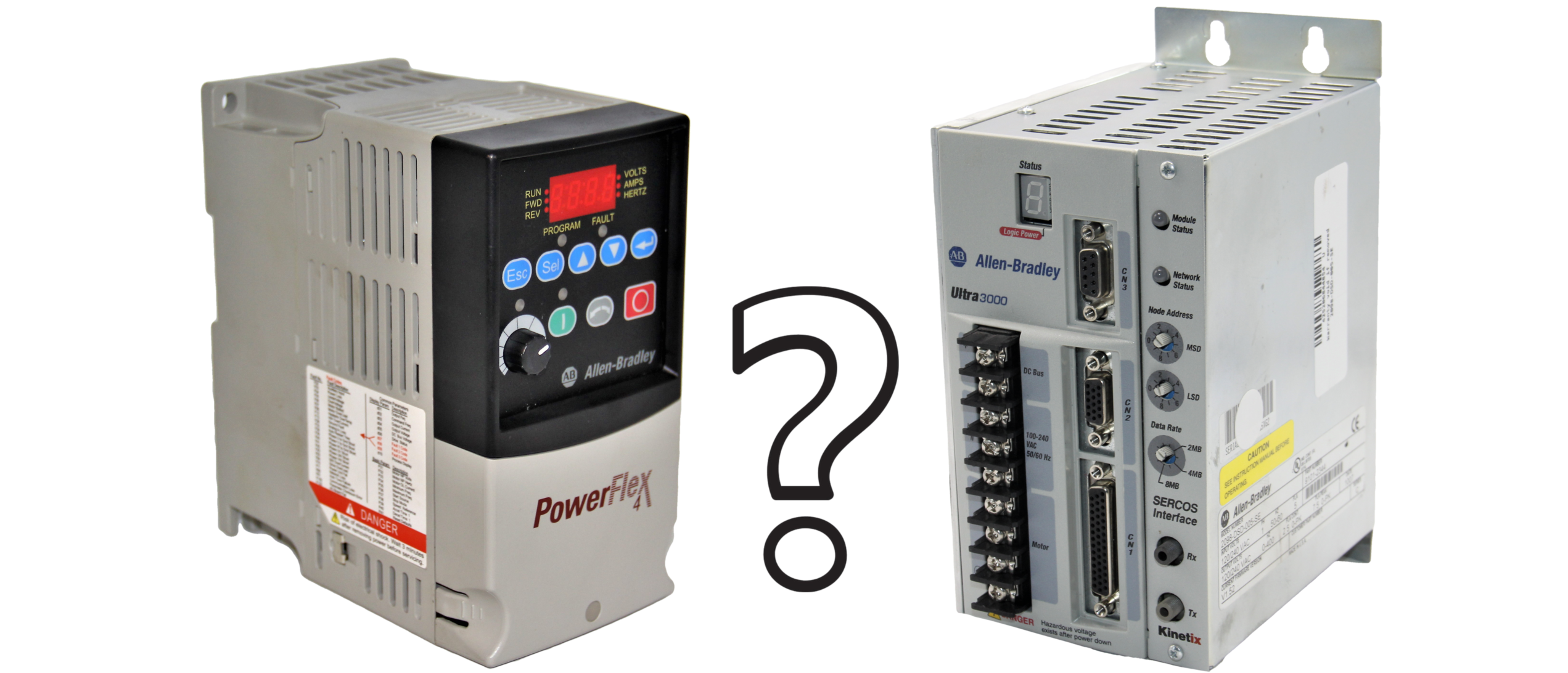
Control Over Motor Speed
- VFDs offer accurate control over motor speed, allowing it to adjust according to the load demands. This feature enhances efficiency and performance, particularly in applications with changing requirements.
- Traditional Controllers run motors at a constant speed, leading to inefficiency when the load doesn’t require full speed.
Energy Efficiency
- VFDs help minimize energy consumption by regulating the motor speed according to the load requirements, ensuring that the motor uses only the amount of power needed. This results in significant energy savings, especially in applications where the load conditions fluctuate.
- Traditional Controllers waste energy by running motors at full speed even when the load is lower than maximum capacity, leading to higher energy costs.
Impact on Equipment Wear and Tear
- VFDs facilitate gradual acceleration and deceleration, reducing mechanical strain and enhancing the longevity of motors and equipment. By gradually increasing or decreasing speed, VFDs prevent the motor from experiencing sudden starts and stops that could otherwise cause damage.
- Traditional Controllers cause motors to start abruptly, which can strain components and lead to increased wear, maintenance, and downtime.
Cost
- VFDs generally have a higher upfront cost due to their advanced features. However, the long-term savings in energy consumption and reduced maintenance make them more cost-effective over time.
- Traditional Controllers have a lower initial cost, but their inefficiency and higher maintenance costs result in higher operational expenses in the long run.
Application Flexibility
- VFDs are perfect for applications where motor speeds need to be adjusted, such as in HVAC systems, pumps, and conveyor belts. They offer the flexibility needed for complex processes and dynamic load conditions.
- Traditional Controllers are best suited for simple applications where a constant motor speed is sufficient, such as in basic machinery that doesn’t require speed adjustments.
Challenges Faced with Traditional Motor Controllers
Although traditional motor controllers are still used in specific applications, they present several challenges:
Energy Inefficiency: The inability to adjust motor speed to match load demand leads to energy wastage, especially in applications where the load fluctuates.
Limited Control: Traditional controllers lack the precision needed for modern industrial systems that rely on dynamic control.
Increased Maintenance: The constant full-speed operation results in greater mechanical stress, leading to more frequent breakdowns and higher repair costs.
Why Modern Industries Prefer VFDs Over Traditional Motor Controllers
Energy Efficiency
Striving for energy efficiency seems to become a fundamental requirement of modern industries, particularly with the rising costs of energy and focus on sustainability. One reason why VFDs are very effective in improving energy consumption is because motors are driven in accordance with the load demand. Old-fashioned motor controllers operate motors at rated speed without interruption and at full speed, irrespective of the load. This wastes energy. This reduction in energy consumption lowers electricity bills and decreases the environmental footprint. Because of this reason these devices are increasingly being adopted by industries that are looking for ways to cut down energy costs and help towards a sustainable future.
Improved Precision
In precise applications like in Robotics, automated manufacturing and material handling, VFDs control the motor speed and the amount of torque with great accuracy. Applications such as servo motor repair require Exquisite Soft Motion or Fine Motion with very precise change in speed which is offered by VFDs. The ability to fine-tune motor performance generates more accuracy and improves product quality together with operational efficiency. VFDs enable precise control of modern automated systems whether it be for moving conveyor belts, adjusting the airflow in HVAC systems or controlling movements of robots.
Easy Integration with Automation Systems
As businesses continue adopting automation, keeping in touch with intelligent systems is critical. VFDs (Variable Frequency Drives) are easily interfaced with PLCs (Programmable Logic Controllers) that are used in automating and controlling machinery. This permits monitoring and control of motors from a single workstation, thus improving efficiency. Operations become easier and more efficient as VFDs allow free-range control of motors without the need for physical change of settings. The industrial response to changes in production requirements becomes more accurate and tuned with lessened power in supervision.
Reduced Maintenance and Longer Equipment Life
One of the major practical advantages that VFDs exhibit is the reduction in the mechanical impact on motors. Conventional motor controllers make a practice of commanding motors to start on the spot and run on full throttle. This practice creates needless to say wear and tear. VFDs, on the other hand, enable motors to start on slow speed and run on proportional speeds which results in smoother operation. This reduces the wear and tear on the equipment to be maintained which in turn decreases the expenses borne by businesses. With lower mechanical stress comes the increased durability of the motors and other equipment which reduces the frequent need for replacements. This, along with the conventional systems of motor control is far more advantageous.
Cost-Effectiveness Over Time
Although installing VFDs may be more expensive than traditional motor controllers for a business, the provided long-term savings will always exceed the investment. The smooth start and stop mechanism as well as improved energy efficiency of VFDs also result in lower electricity expenses and extended lifespan of motors and other equipment. This also improves overall operational efficiency and leads to reduced wear and tear, which in turn lowers repair expenses. Businesses using VFDs save a lot on maintenance, which coupled with long-term energy efficiency, results in improved overall savings. This makes VFDs a more economical solution in the long run for any industry.
Why Choose Qimamaffan For VFD.
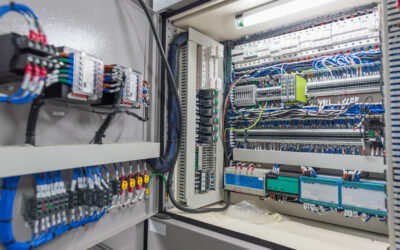
Investing in Qimamaffan’s Variable Frequency Drives (VFDs) optimizes energy efficiency, accuracy, and precision in long-term savings. Adjusting a motor’s rate of rotation to actual operational demand mitigates energy use and decreases costs. They offer better control for a motor’s speed and torque, thus are best suited for robotics, manufacturing, and material handling. It can easily be integrated with Industrial Automation Systems and managed through an Electrical Panel Board, providing flexible, real-time control. VFDs do come with an initial high expenditure; however, the savings accrued from energy consumed and maintenance costs make it a more economical solution in the long run to improve business efficiency and reduce operational costs.
Our specialization does not end with advanced Variable Frequency Drives (VFDs). Qimamaffan also deals with the repair and maintenance of diverse industrial systems. To avoid costly equipment failures and replacements, we offer professional PCB board repair services. Our skilled technicians use advanced PCB repair techniques to ensure that your systems stay reliable and operational for a longer period.
We provide specialized PLC programming and CNC controller repair as well as HMI. From manufacturing automation, robotics, and other industrial avenues, our professionals can troubleshoot and repair problems related to PLCs, CNC systems, and HMI panels. Partnering with Qimamaffan guarantees that all your needs pertaining to automation and control panels are addressed, enhancing performance, while reducing operational downtime.
Conclusion
To summarize, Qimamaffan’s Variable Frequency Drives (VFDs) have particular advantages over traditional motor controllers with clear benefits in energy efficiency, performance, and maintenance. As industries shift focus on automation, energy savings, and operational efficiency, Qimamaffan’s VFDs continue to be the backbone of industrial advancement for competitive businesses. Our VFD systems are tailored for industrial settings, seamlessly integrate with PLC architecture and guarantee control of motors at predetermined levels. This responsiveness makes them indispensable throughout modern industrial operations, including manufacturing and advanced robotics. The future of motor control is flexibility, efficiency, and reliability— and with Qimamaffan.
Contact us today to learn how our VFD solutions can transform your operations and drive your business toward greater success.


Pingback: Top 5 Benefits of Using VFD in Your Industrial Setup | Qimamaffan
Pingback: Variable Frequency Drive for Energy Conservation in Industries