Choosing the right CNC machine is essential in today’s competitive and fast-moving manufacturing environment. Whether you’re running a large-scale industrial facility or a small workshop, the right CNC equipment can enhance your production workflow, improve the accuracy and quality of your products, reduce operational costs, and boost overall efficiency. However, the true advantages of a CNC system—such as precision, automation, and speed—are only achieved when the machine is selected based on your specific business requirements and long-term goals.
In this blog, we’ll explore how investing in the right CNC machine can transform your business. From understanding your production needs to evaluating key features like control systems, build quality, and software compatibility, we’ll guide you through the selection process. You’ll also discover how a properly chosen CNC machine can optimize operations, reduce downtime, and deliver a strong return on investment—helping your business stay ahead in a competitive market.
What Is CNC and Why Is It Important?
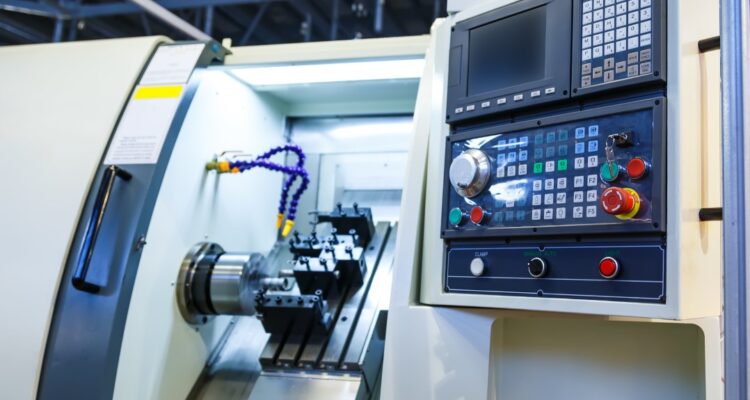
The term CNC or Computer Numerical Control is associated with a system whereby the movements of a machine tool are controlled by a computer in accordance with his/her pre-set instructions. The operations which are tasked to CNC systems include drilling, milling, turning, and any other necessary work that must be accomplished with pre-determined speed, accuracy, and consistency.
The advancement of technology, especially information technology, has increased the workload in industry, especially in the designing and loading of CNC machines, with virtually zero charge per unit of increased CL.
The key areas of advantage with regard to CNC controller technologies is that they offer automation for most activities, offer high precision for the most complicated tasks and remove human errors. To an extent, the CNC systems computer facilitates design with ease without extra operating devices.
How CNC Systems Impact Your Business Operations
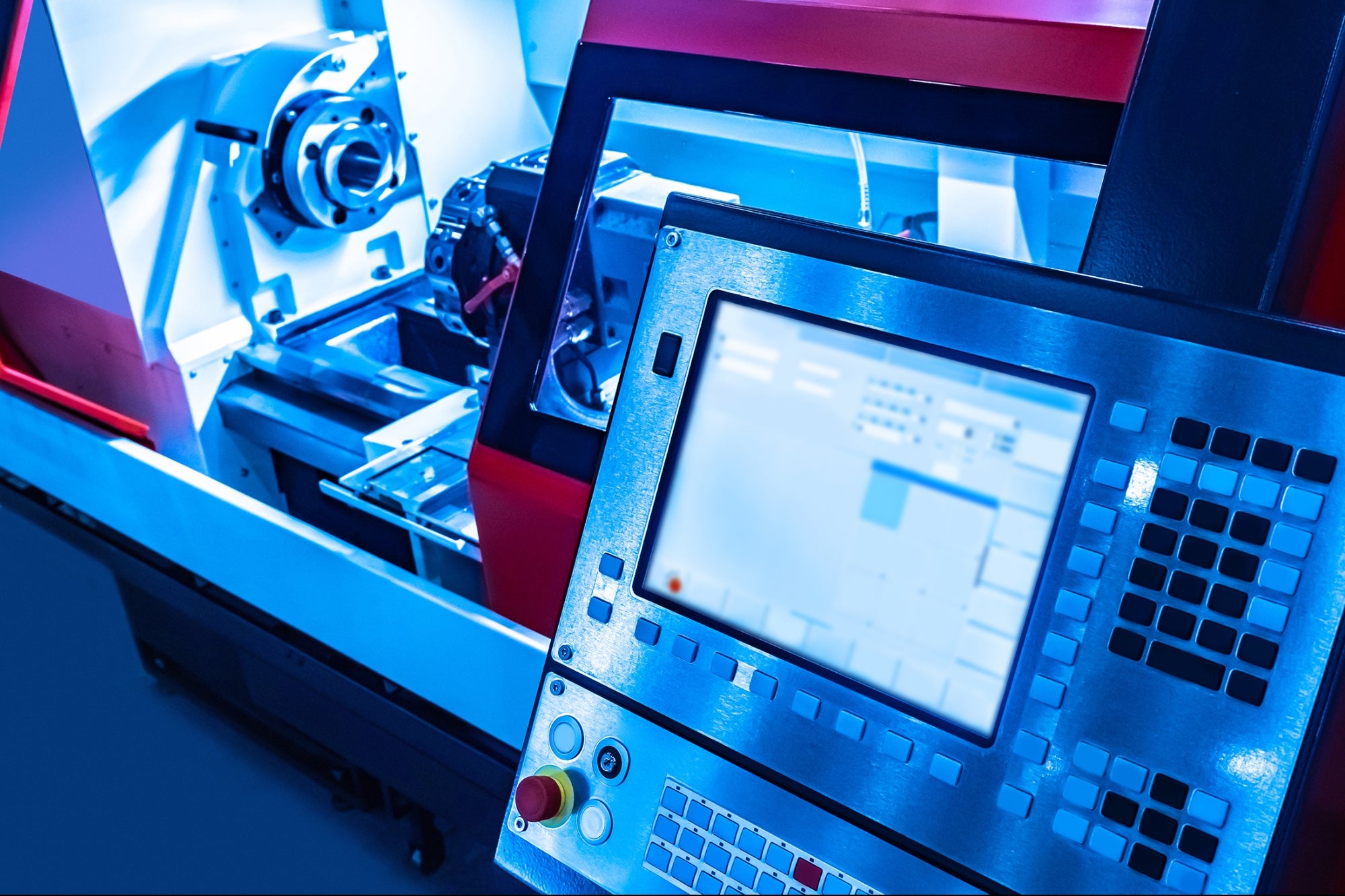
Now that we understand what CNC is, let’s explore how choosing the right CNC machine impacts your business:
Increased Efficiency and Productivity
The main focus for implementing CNC systems is their immense boost in productivity. No matter if a single unit or a multitude is required, production processes are always streamlined with CNC. Automation reduces the need for manual workflows, allowing for faster and more efficient business operations.
Precision and Quality Control
When it comes to precision, no other system matches CNC. Whether it’s basic parts or complex items like aerospace components, medical devices, or automotive fixtures, these machines work with extremely fine tolerances—often within microns. CNC systems ensure that every component is produced exactly according to the required specifications.
Consistency and Repeatability
When dealing with manual machining, uniformity can be a complicated task, especially at scale. CNC machines eliminate this problem; after setting a program, the machine will repeat the same process to the letter. This guarantees that parts produced will be uniform in form and flawless in quality, even during mass production.
Cost Savings in the Long Run
In comparison to manual machines, the initial investment for CNC systems is higher, however with time, these costs are compensated through savings. The improved accuracy leads to less wasted materials and fewer defects, both of which lower costs. In addition to this, the rate of production CNC machines offer allows for greater order capacity without needing to raise labor costs or running into production delays.
The Role of CNC Operators and Maintenance
The role of the CNC operator is just as vital as the CNC system itself in the production process. A trained operator is imperative in assisting the CNC machine to operate seamlessly and in removing obstacles. The operator must be able to read the technical drawing, program the machine with a variety of CNC programming languages, G-code and M-code, and calibrate the machine to perform at its best.
Regular maintenance eliminates the occurrence of machine breakdowns and extends the useful life of the machine. There is substantial evidence of improved efficiency of properly maintained CNC systems; consistent quality is achieved and unexpected downtimes are negligible.
Integration with Other Systems
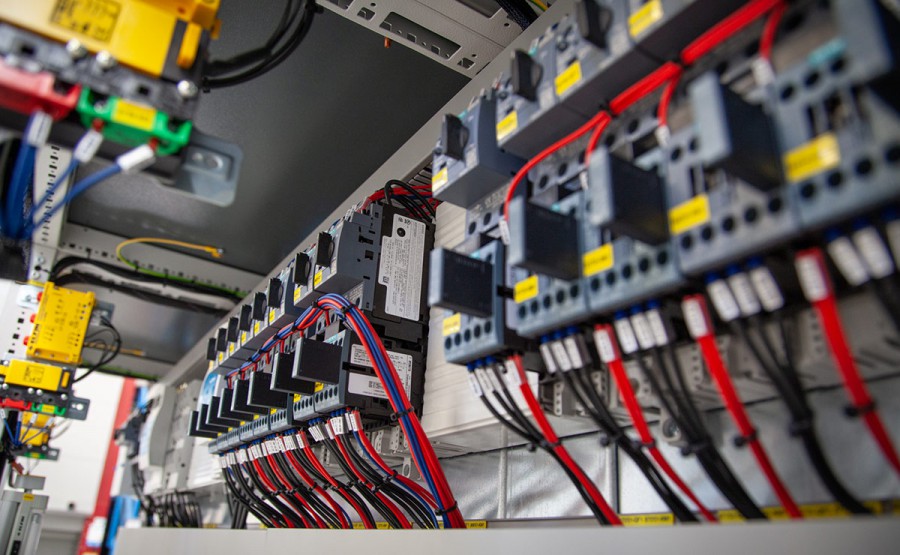
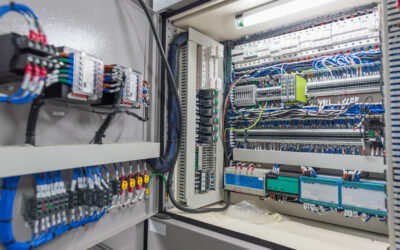
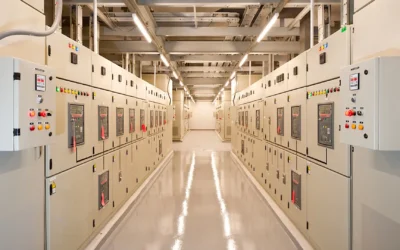
Modern CNC systems increasingly integrate with other automation technologies, such as PLC programming, servo motors, and electrical panels. Together, these systems ensure that manufacturing processes are efficient and automated. PLC programming ensures the synchronization of CNC machines with other equipment in the production line, which reduces idle time while enhancing efficiency. Servo motors are critical in CNC machines for part-to-part mechanical movements and binder jetting entails controlling motion as consistently and precisely as possible with respect to the volumetric flow rates of the vulcanized elastomer. Electrical control panels help distribute power to different parts of the CNC system, ensuring it runs smoothly. Such industrial automation integration improves seamless operation in a solid automated form of production, increasing productivity and reducing possible omissions by people.
Why Choose Qimamaffan for Your CNC Needs?
This has helped us clearly understand each client’s unique needs, allowing us to deliver accurate, dependable, and cost-effective CNC equipment. Our systems are built to increase productivity, reduce costs, and maintain high-quality standards across various applications. Qimam Affan’s CNC machines enhance performance while minimizing downtime through features like PLC programming, servo motors, and industrial automation interfaces. We focus on efficiency and smooth operation to ensure long-term success. Whether it’s CNC mills, lathes, routers, or plasma cutters, our solutions support operational flexibility and drive future innovation and growth.
Qimamaffan is happy to provide proficient repair services in Riyadh, Saudi Arabia, along with our outstanding CNC solutions. We expertly provide VFD repair services for Variable Frequency Drives so your systems run properly and efficiently. We offer reliable PCB board repair services that rectify fault sectors in electronic circuits to restore them to a dependable working order. We also provide HMI repair so that the Human Machine Interfaces can adequately and efficiently serve as interfaces between the users and the machines. As a trustworthy electronics repair shop, Qimamaffan does a full scope of repair works on a wide range of electronic devices and systems. Furthermore, we ensure reasonable efficiency with our professional AC/DC motor repair services by minimizing costly downtimes associated with inefficient motors. You can trust Qimamaffan for exceptional repair services for all your equipment requirements in Riyadh.
Conclusion
Buying a CNC machine isn’t just a simple purchase — it’s an investment in your company’s future. A good CNC system improves productivity, ensures high accuracy, and delivers consistent results. It also helps reduce operational costs by minimizing waste and manual errors. By choosing the right CNC with advanced technology and skilled operators, your business can increase efficiency, scale up production, and stay competitive in the market. Regular maintenance and proper setup further ensure long-term reliability and smooth performance. At Qimamaffan, we understand the importance of selecting the right CNC system for your business.
So, whether you are a small manufacturer striving to scale or a large company looking to improve operational effectiveness, it is of utmost importance investing in the right CNC machine to boost your business and reach new heights of success with Qimam Affan.
Contact us today to learn how Qimamaffan can help you choose the right CNC system for your business.
FAQs
- What is CNC, and how does it work?
CNC (Computer Numerical Control) uses a computer to control machine tools, automating processes like drilling and milling to ensure high precision and repeatability.
- How does CNC technology improve productivity?
CNC systems can operate 24/7, reducing downtime, automating tasks, and enhancing efficiency, leading to increased output and faster turnaround times.
- What types of CNC machines are available?
Common types include CNC mills, lathes, routers, plasma cutters, and EDM machines, each suited for different tasks and materials in manufacturing.
- Why is regular maintenance important for CNC machines?
Regular maintenance keeps the machines running at their best, helps them last longer, and reduces the chances of breakdowns and downtime. - How does automation integration benefit CNC systems?
Integrating CNC with technologies like PLC programming and servo motors enhances efficiency, reduces errors, and ensures smooth synchronization across production processes.


Pingback: Why CNC Operator Vital for Modern Industrial Automation?