In today’s rapidly advancing industrial world, maximizing operational efficiency and minimizing costs are two of the biggest challenges businesses face. One technology that has emerged as a game-changer in this regard is the Variable Frequency Drive (VFD).
VFDs offer industries the ability to optimize energy use, increase the lifespan of equipment, and enhance operational performance. Whether you are in industrial automation, running water treatment plants, or managing PCB board repair services, understanding how a VFD works and how it can benefit your industrial setup is crucial for staying competitive.
This blog will not only explain what a VFD is but will also highlight its top 5 benefits and the importance of incorporating it into your industrial operations for long-term success.
What is a Variable Frequency Drive (VFD)?
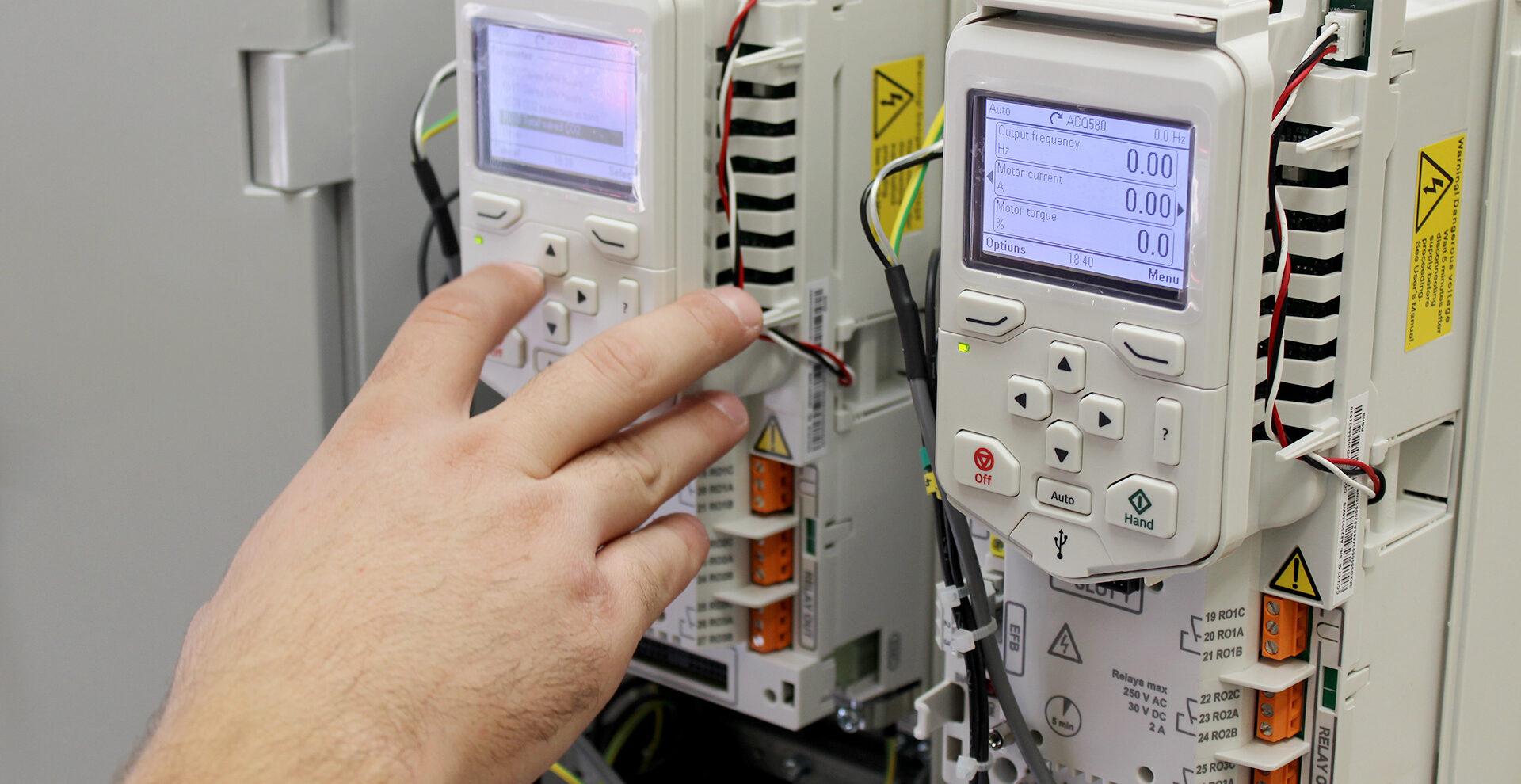
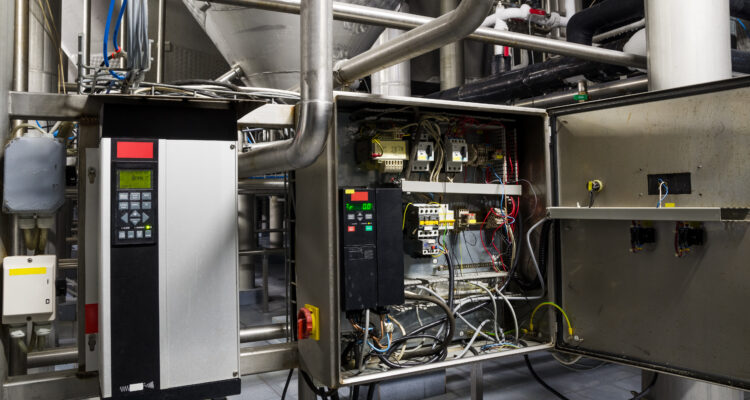
A Variable Frequency Drive (VFD) is used to control the speed and torque of electric motors by changing the frequency and voltage supplied to the motor. To put it plainly, With VFDs, motors do not have to operate at a fixed speed. Instead, they can run based on the load and requirements of a specific process.
In the case of traditional motor controllers, they would only allow switching the motors ON and OFF, which leads to fixed-speed operation. This practice is inefficient as energy would be wasted. VFD provided a solution as they offer real-time control of the motors dynamically based on demand; thus the name VFDs.
These drives are extensively used in manufacturing, water treatment, and material handling industries for automation as well as precise control of motors. Machineries can be better synchronized which improves operational effectiveness. This ultimately provides industrial automation, enhanced operational effectiveness, and optimized motor functioning, minimizing wear and tear. Thus, it comes down to VFDs being a far better option as compared to VFD vs Traditional Motor Controllers for better energy savings and system flexibility.
Top 5 Benefits of Using VFD in Your Industrial Setup
1. Enhanced Energy Efficiency and Cost Savings
For every industrial setup, energy consumption is one of the largest operational expenses. Traditional motors often run with full throttle regardless of the actual burden, consuming excess energy that incurs high electricity costs. This is most common in situations when the workload requires varying motor speeds.
With a Variable Frequency Drive, motors are able to change their speed according to the system demands. VFDs enable precise adjustments to motor speeds, eliminating needless energy waste in systems that don’t have VFDs. VFDs decrease power consumption by over 30% during less demanding workloads. The energy-saving benefits of VFDs allow tremendous cost savings, especially in water treatment facilities and manufacturing plants where motors operate for long periods.
Rejecting VFDs in favor of traditional motor controllers lacks efficiency and flexibility as compared to VFDs. When using traditional systems, the motors are often spun at maximum speed regardless of demand. This increases operational costs and wastes energy. With energy management becoming one of the key concerns for businesses around the world, the use of VFDs allows reduction of energy costs and reduces carbon footprint.
2. Superior Control Over Motor Speed and Performance
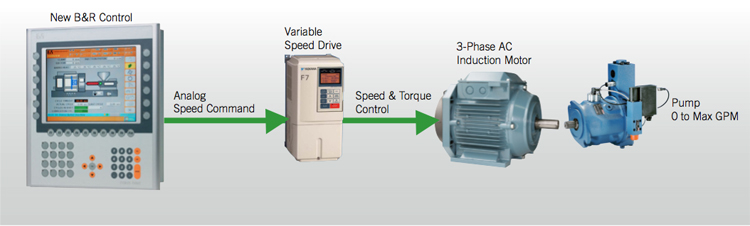
A standout benefit of VFDs is the control they offer over the motor speed. In an industrial setting, a motor speed has to be adjusted to meet the varying loads, processing needs and the ever-changing production environment. VFDs offer precision and adjustability in control over motor speeds which helps operators respond to changes within the system swiftly.
In older systems, the motors operate at constant speeds irrespective of the load which is inefficient and leads to unreliable performance in a variety of conditions. With VFDs, operators have the freedom to increase or decrease the motor speed which enhances the rate of acceleration and deceleration. Enhanced operational precision reduces mechanical strain on the motor and entire system in addition to improving energy efficiency.
As an example, in an industrial automation system, where machines must perform under variable demand, VFDs allow each motor to run at optimum speed whether the demand is high or low.
3. Reduced Wear and Tear on Equipment
Motors that only work at full speed and start and stop suddenly will experience more mechanical wear and tear leading to more maintenance and part servicing. This is costly for businesses due to repairs, downtime, and servicing costs of motors and other components.
Soft start and soft stop features are included in VFDs to address these issues. Instead of abruptly starting the motor which introduces mechanical stress and significant inrush currents, VFDs slowly increase the speed of the motor. This also applies when the motor stops; it gently decelerates to prevent system shocks.
Enhanced equipment efficiency and smoother operations also reduce the frequency of servicing and repairs. In PCB board repair centers, equipment serves critical uptime, so environments that are continuously operational benefit greatly from reduced system shocks.
4. Improved Process Control and Automation
In today’s industries, process control and automation are the biggest factors in productivity. As the need for precision increases in industrial automation, the use of motors requires adjustments to their speed for different operating conditions, this is where VFDs come in handy, as they provide the needed automation.
The communication between the VFD control panel and other parts of the system can be done using PLC (Programmable Logic Controller). Its integration allows for automated motor control that makes it scalable to obtain optimal conditions without requiring manual intervention.
For example, pumps, fans, and conveyors will all serve greatly from smooth automated control using VFDs. Reduction of human intervention and responsiveness of the system enables improved productivity in industrial automation systems.
5. Long-Term Cost Effectiveness
Even though VFD systems require a larger investment than conventional motor controllers, the advantages accrued with time exceed expenses. Maintenance costs, energy savings, and the reduction in required upkeep are just some ways that VFDs save money over time, making their total cost of ownership lower than other options.
Lower bill costs and infrequent maintenance all contribute to a lowered operational cost as well. Eventually, the VFD system pays for itself through the accruing savings. Businesses that leverage VFDs gain enhanced efficiency in operations alongside increased profitability over time.
Through the adoption of VFDs, industries are able to recuperate their investment in a short period of time. Additionally, with the growing industry focus on environmental and sustainability goals, VFDs serve as an excellent means to reduce a business’ carbon footprint while saving on energy.
Importance of VFDs in Industrial Setups
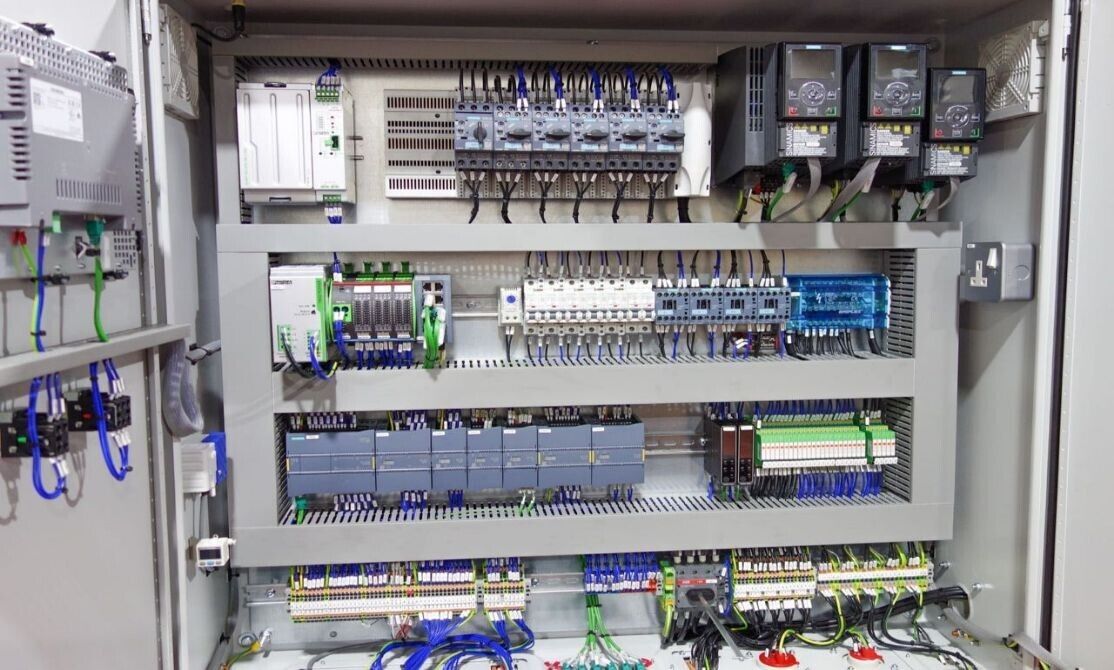
Adding Variable Frequency Drives (VFDs) to your industrial setup isn’t just smart; it is essential to staying competitive in today’s cutthroat and fast-moving world of industry. The importance of VFDs in industrial automation and water treatment systems is clear due to their motor control flexibility, ability to save energy, prolong equipment life, and offer savings over time.
VFDs are crucial for businesses that want to operate more cost-efficiently, as well as improve reliability. For those running PCB board repair services or automating production lines, the role of VFDs on performance cannot be ignored.
Installing VFDs in a company enables them to easily achieve its sustainability commitments and improve its bottom line. Additionally, the company’s operations will be more efficient, reliable and less costly. VFDs also offer automation and enhanced process control which ultimately transforms industrial operations so that businesses are prepared to compete and keep up with future demands.
Why Choose Qimamaffan for Your Industrial Solutions?
For modern ideas to boost industrial setups, Qimamaffan is the leader of modern technology. We all know that business energy costs can be very expensive. Thankfully, Qimamaffan helps to deal with this by using VFD (Variable Frequency Drives) technology. These advances not only help businesses save money in the long run but help improve the environment. The extensive knowledge of Qimamaffan in PLC programming and VFDs ensures that your operations are seamless and makes VFD technology available for all industries. With Qimamaffan, you gain with leading technologies that further boost operational output and increase the equipment lifespan to make it Qimamaffan is the perfect partner for businesses eying success amidst constant evolutions and industrial changes.
To enhance your operations, Qimamaffan also offers other industrial services such as CNC Controller, which further aid in enhancing precision and control while machining. Another addition is motor repairs which include AC & DC motor repair guaranteeing peak performance and prolonged life. Other key services also include electrical panel repair which fixes the protective panels needed in systems
In addition, Qimamaffan’s support with interfaces makes Qimamaffan stand out in HMI (Human Machine Interface) support as any operator can interact with the machines and systems effortlessly. In case you need to upgrade your equipment or ensure that it continues to work efficiently, Qimamaffan is your one-and-only answer for all industrial equipment maintenance and improvement systems. Their all-inclusive collection of services ensures your systems and machinery are fully functional which enables you to save expensive downtimes while enhancing the performance of the entire system.
Conclusion
Adopting Variable Frequency Drives (VFDs) into your industrial setup greatly improves your operational efficiency and reduces costs while also increasing the life of the equipment. According to Qimamaffan, VFDs have become vital in today’s industrial setting due to their effective motor control, enhanced maintenance cost reduction, and improved energy saving efficiency limits.
Adopting VFD technology enhances industrial automation and process control, ensuring great savings and sustainability. VFDs provide long-term capital saving solutions, optimizing industrial processes for many years to come.
Contact us today to learn how Qimamaffan can help optimize your operations with cutting-edge VFD solutions and more. Let us provide the tools you need for long-term success.
FAQs
- What are the main benefits of using a Variable Frequency Drive (VFD)?
VFDs improve energy efficiency, provide better motor control, reduce maintenance costs, extend equipment life, and enhance industrial automation by adjusting motor speeds based on demand.
- How do VFDs compare to traditional motor controllers?
Unlike traditional motor controllers, VFDs adjust motor speed for energy savings and better performance, reducing waste and wear on equipment.
- How do VFDs enhance industrial automation?
VFDs enable precise motor control and automation through PLC programming, improving productivity and reducing human intervention for more efficient operations.
- Are VFDs useful for PCB board repair services?
Yes, VFDs provide accurate motor control, ensuring consistent speed and precision for sensitive tasks like PCB board repair, improving quality and reducing errors.
- What are the long-term cost benefits of using a VFD?
VFDs reduce energy consumption, cut maintenance costs, and extend equipment life, offering long-term savings that often outweigh the initial investment.