Efficiency and sustainability is a top priority in the changing world of industry. Advancing efforts to cut costs and create sustainability has resulted in the growing utilization of Variable Frequency Drives across industries. VFDs have become a standard means of running the industrial system efficiently adjusting the unit to motor performance. In this post, we’ll discuss some of the basics behind VFDs—how they operate, what they make possible in terms of energy savings, as well as some comparisons between VFDs and traditional motor equipment controls. We will also explore otherwise important VFD control panels, VFD repair services in Saudi Arabia, and how industrial automation and PLC programming can guarantee the best out of your VFD operations.
What is a Variable Frequency Drive?
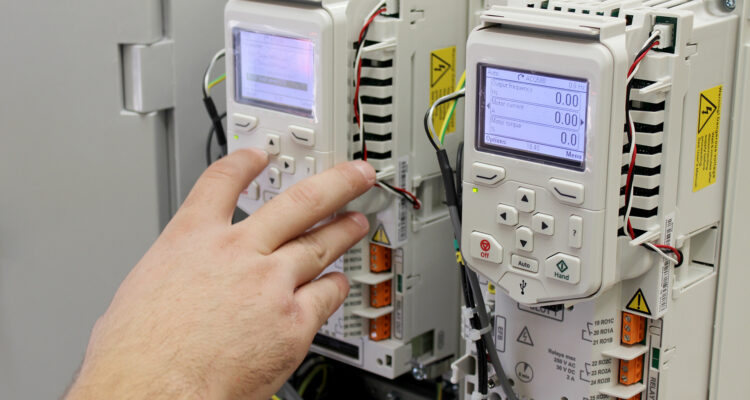
A Variable Frequency Drive, or VFD, is an electrical power solution or device that provides flow and increased pressure for electric motors, while also controlling the speed of the motor by altering the frequency of the electrical power. This allows the motor to run at any speed and not just at a constant speed like some other motor controllers. This is the capability of varying the speed of a motor to meet the demands of the load which makes the VFD a preferred choice in energy conservation applications.
In the industrial environment, motors are most frequently seen in pumps, fans and compressors, where the motor speed can change according to process conditions. Having a Variable Frequency Drive allows companies to maximize energy efficiency by running motors at the exact speed they need, rather than running them full blast when less power would suffice.
How Variable Frequency Drive Enhance Energy Efficiency in Industrial Systems
VFDs control the motor’s speed and torque by adjusting the frequency and voltage of the power supplied to it. This means that the engine will only turn at the speed needed for the load instead of running at a constant speed. Variable Frequency Drives will assist you in making industrial systems energy efficient as the controlled motor can adjust its output to the demand which also helps to save energy.
This is especially beneficial in industries where demand is variable throughout the day or dependent on conditions, like HVAC, water treatment and manufacturing facilities.
Variable Frequency Drive in HVAC Systems
The cooling and heating loads in HVAC systems typically change according to the time of day, the weather, number of people and so on. Conventional HVAC systems operate their fans and compressors at full blast, no matter if cooling requirements are minimal or there’s no need for heat. This leads to wasted energy.
Through attaching VFDs to HVAC systems, the fans and compressors of those systems can be adjusted to change speed according to the heating or cooling needs. For instance, if the building is near the setpoint, the VFDs slow down the fan to save energy. On the other hand, when increased cooling or heating is needed, the VFDs will speed up the motor to deliver the higher capacity. This dynamic calibration mechanism guarantees that the system consumes the optimal amount of energy, thus potentially leading to considerable energy savings over time.
Variable Frequency Drive in Water Treatment Plants
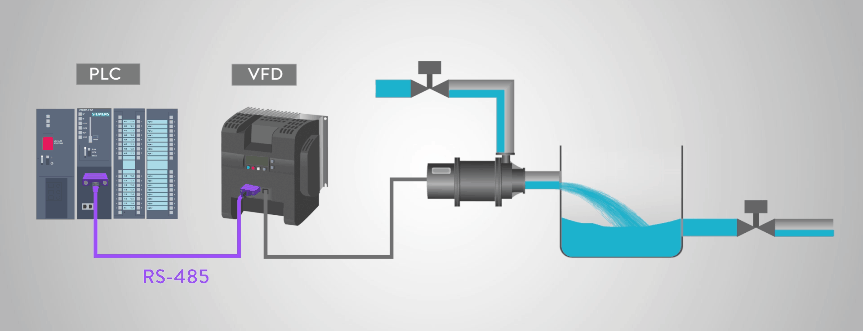
The water flow rate needed changes from one stage of the treatment to the other and according to the quality of water at each point of time. Existing motor controllers commonly drive pumps at a full speed when it is only needed a fraction of it, which wastes energy.
The VFDs control the speed of the pumps, so that the flow rate can be adjusted to meet the demand of the treatment process, which would allow the pumps to run less often and at the most efficient speeds. This helps save unnecessary energy, reduces wear and tear on the system, and extends the lifespan of the pumps.
Variable Frequency Drive in Manufacturing Plants
Factories utilize motors in a wide range of applications, for example conveyor belts and extruders, mixers etc. The load demand may change according to the production plans, types of the products and assembly line speeds in the above systems. While not VFD-driven, motors without VFDs usually run at a constant speed, which may be energy wasteful when load is low.
VFDs enable adjusting the motor speed to meet the production needs. For instance, when a manufacturing line is running at low capacity, the VFDs will reduce the speed of the motors, and this will lead to low energy consumption. When faster production is needed, the VFDs will run the motors faster. Such a motor control flexibility serves to minimize energy consumption, enhance production efficiency and reduce operating costs.
VFD vs. Traditional Motor Controllers
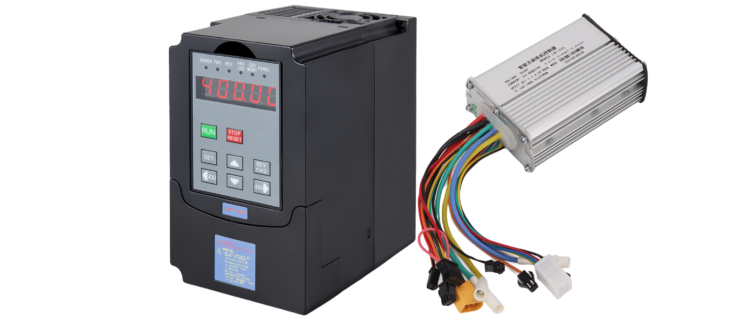
A significant difference between VFDs vs. Classic Motor Controls, is that VFDs allow our motors to vary their speed. Previous motor controllers just run the motor at a fixed speed, irrespective of your application. This is wasteful of energy, particularly in systems having variable loads.
VFDs, on the other hand, have the advantage of being more adjustable. They are continuously route based on the loading, this means only that much energy is consumed which is required. When the speed can be reduced in lieu of the load, VFDs vs Traditional Motor Controllers highlight how VFDs are a better cost-effective alternative.
Benefits of VFDs compared to other motor controllers Here are some of the benefits of using VFDs instead of other motor control methods:
- Energy Efficiency: VFD into the actual motor speed, motor speed can produce energy waste is reduced, and thus the overall efficiency of the system is in the highest actual running status.
- Less wear-and-tare: VFDs can minimize wear on motor and other components by adjusting motor speed and starting up the motor more softly.
- Control Consistency: VFDs deliver more precise adjustments in motor speeds, and are more consistent than standard controls.
Key Benefits of Variable Frequency Drive in Industrial Systems
- Energy Saving: The flexible nature of state-of-the-art technology: the ability to control the motor speed to suit load requirements results in considerable energy savings. For applications where demand levels vary – such as a pumping system or air conditioning – the cost savings offered by Variable Frequency Drive are enormous.
- Extended Motor Life: VFDs limit hard starts and stops that can lead to physical motor damage. Slow starts and stops, delivered by VFDs, help to prolong the life of motors and equipment.
- Improved Process Control: VFDs can help industrial processes gain a higher degree of control over motor speed. This results in superior overall system performance, whether for regulation of airflow in ventilation systems or for speed regulation of pumps in the fluids handling.
- Less Maintenance: VFDs greatly reduce the risk of motor failure by preventing overheating and abuse from running too long, resulting in lower maintenance and repair costs.
- Reduced Environmental Footprint: Enhancements in energy use means Variable Frequency Drive helps minimize our carbon footprint, and this renders these drives an eco-friendly option for companies working to achieve green goals.
VFD Control Panel Installations
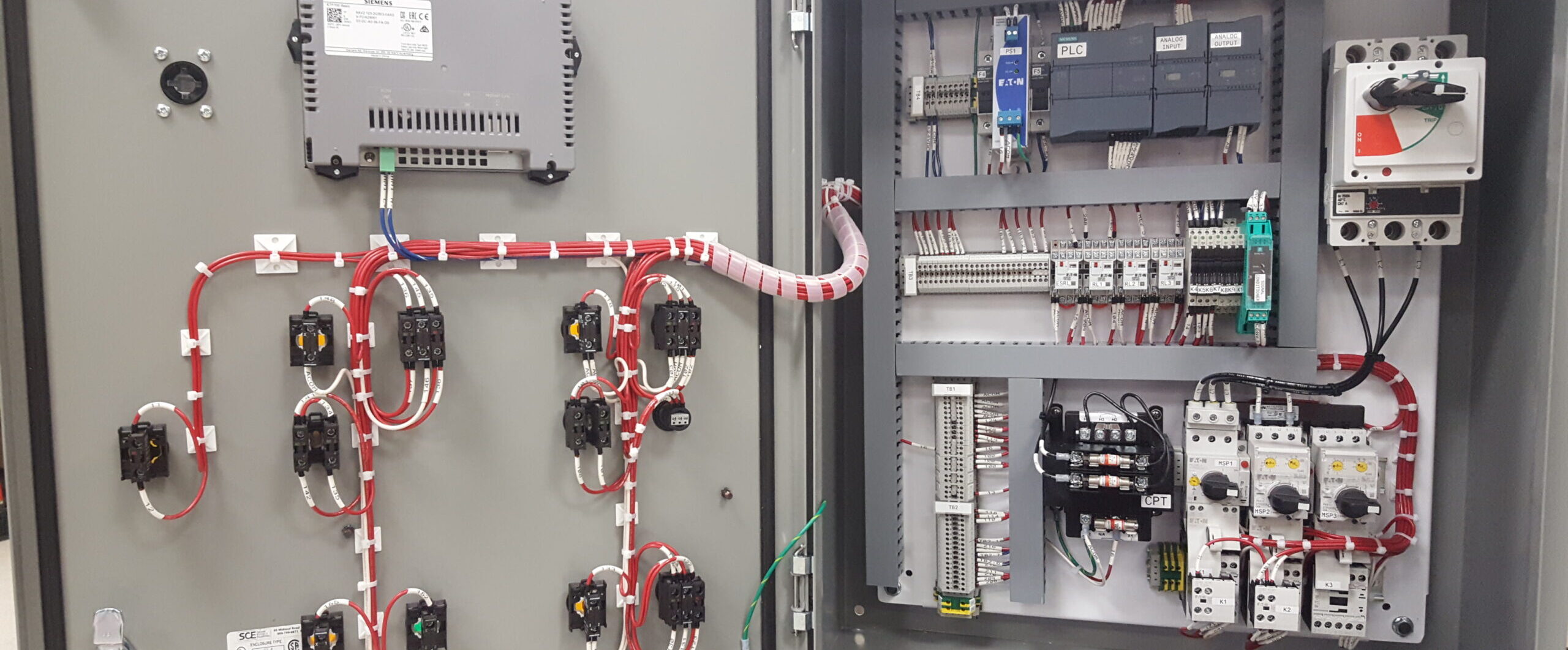
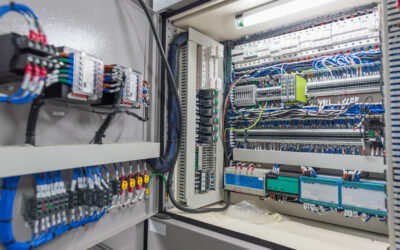
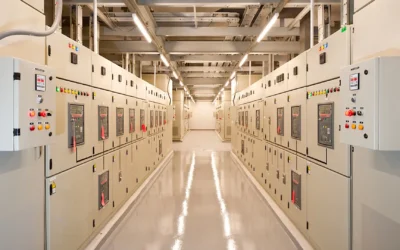
Correct installation is the key to maximizing the advantages of VFDs. VFD Control Panel – VFD control panel includes the VFD and related components including circuit breakers and other controllers within a single enclosure, and acts as the primary interface to control the motor. Its convenient speed and performance control capability ensures that the system works at an optimal level.
Properly fitted, a VFD control panel provides the Variable Frequency Drive systems with optimal working conditions, an optimal industrial system’s compatibility and the risk of breakdown or loss of efficiency at lower level. It is important to find a reliable manufacturer for VFD control panel installation due to the fact an inadequately installed panel can go awry and even fail.
VFD Repair Services in Saudi Arabia
In places like Saudi Arabia where industry plays a big role in the economy, you want to have a quality VFD repair service. VFDs are complicated systems and should be maintained or serviced to keep functioning at its best. A failed VFD will bring a halt to industrial processes which could potentially cost millions of dollars.
Industrial VFD Repair Services Saudi Arabia guarantees that the problems behind the VFD are rectified totally and completely. These services would typically be repair services that involve troubleshooting, replacing parts, and re-calibrating the Variable Frequency Drive back to original form. Moreover, Saudi Arabia industries too depend on the services of industrial electronic repair to keep their complete automation systems functioning well including their VFDs.
Industrial Automation and PLC Programming
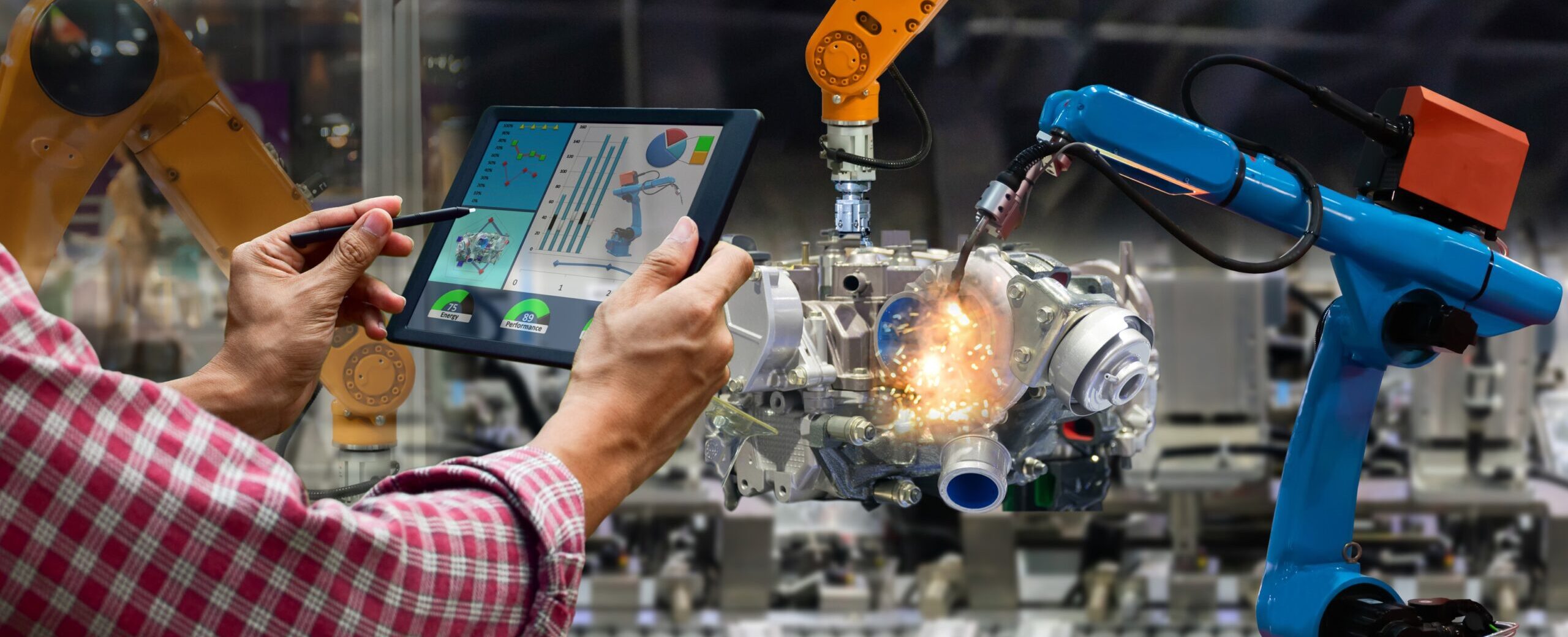
VFDs are important components in industrial process control and modern automation systems, particularly where the use of process control is essential to maximize the use of the process and reduce waste. When connected to PLC’s, VFD’s can be programmed to control multiple complex operations. PLC programming enables companies to control the operation of the motor from different inputs, like time, temperature, or pressure.
The use of VFDs and PLCs result in efficient operations by minimizing the requirement for manual processes, simplifying production processes and optimizing the consumption of energy. This kind of integration is very important in situations such as manufacturing, packaging or water treatment, because process automation is required to sustain productivity and efficiency.
Why Choose Qimamaffan for Variable Frequency Drive Solutions?
At Qimamaffan, we are dedicated to providing high-end Variable Frequency Drive (VFD) solutions that improve energy savings and enhance system performance across various sectors. As our VFD control panel installations and VFD repair services have already proven, your system will run more efficiently, generating significant energy savings and further limiting operating costs. Our custom solutions fit industries such as HVAC, water treatment, manufacturing, and others, where we can control motor speeds dynamically, reduce wear and tear, and improve processes with Industrial automation and PLC integration. Selecting Qimamaffan means opting for solutions that are affordable, reliable, and tailored to your specific requirements, offering not only improved profitability in the short term but also a substantial contribution toward long-term sustainability.
Conclusion
Energy conscious, extended motor and process life are a few of the major benefits in industrial systems of using Variable Frequency Drives (VFDs). From VFD control panel installation, to VFD repair service in Saudi Arabia, to incorporating industrial automation with PLC programming, Qimamaffan offers the resources that companies require to not only enhance operational efficiency, cut costs, and pursue sustainable targets. In an era of ever-increasing emphasis on energy conservation and operational efficiencies, companies who choose Qimamaffan to incorporate VFD technology are benefiting their bottom line as well as reducing their carbon footprint and becoming a part of a greener future for industry.